
Elina Anttila
Elina Anttila
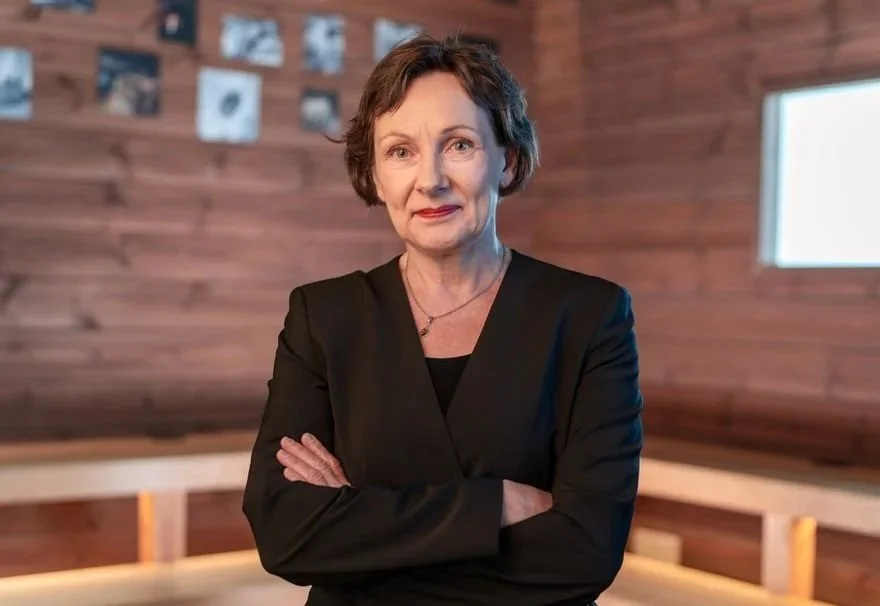
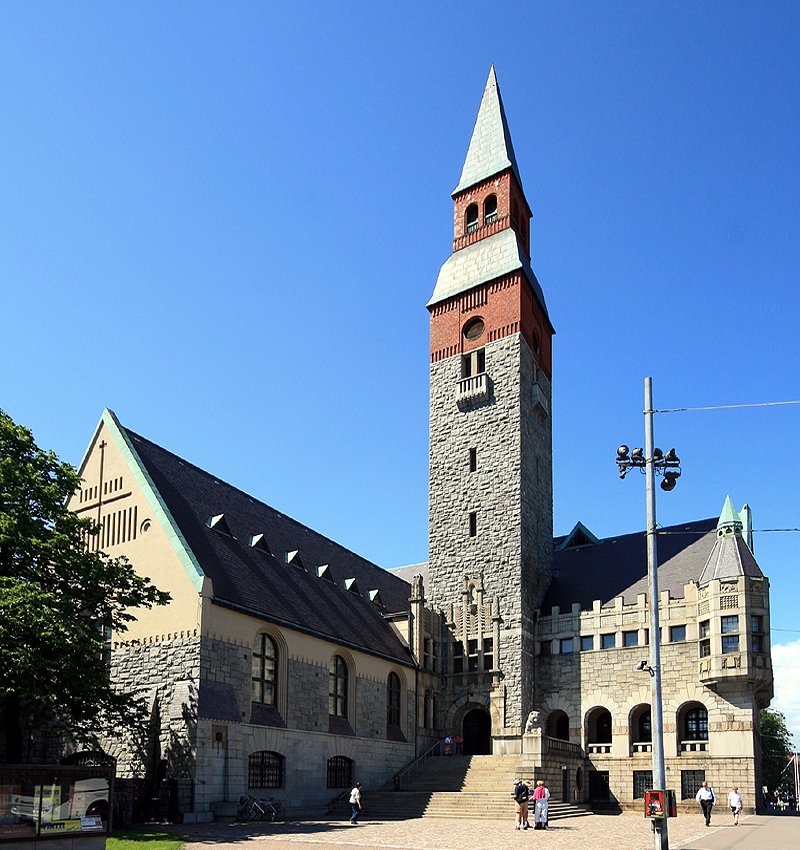
Elina Anttila, Director General, National Museum of Finland (Helsinki, Finland)
Elina Anttila, PhD, Director General of the National Museum of Finland, has a long career in the Finnish museum industry. Originally an art historian, she has worked in the Finnish Heritage Agency in various positions, such as curator, researcher, Head of the Museum Development Department, and Vice Director General of the Finnish Heritage Agency. In her current position as Director General of the National Museum of Finland since 2014, Anttila is responsible for the operation, exhibitions, and programmes of ten state museums and castles in Finland, as well as the management and preservation of the national collections of cultural history, consisting of Finnish historical and ethnological collections, as well as world cultures. Anttila has actively promoted cultural diversity and dialogue as a key component of Finnish society and culture, and ownership of cultural heritage as an essential prerequisite of resilience. She has taken the lead in the return of the state Sámi collection to the Finnish Sámi community and has accomplished international repatriation projects. Anttila is currently Vice Chair of the Finnish National Commission for UNESCO.
Return to the Sámi Homeland: Repatriation as a Process of Building a Resilient Society
An intensive and successful repatriation process carried out between 2017 and 2021 returned Finland’s largest and oldest Sámi collection to the homeland of the Sámi Indigenous people in Northern Finland. In total, 2,200 objects of cultural heritage accumulated in the collections of the National Museum of Finland over centuries were transferred to the full ownership of the Sámi Museum Siida.
The return was significant and meaningful for the Sámi. Less discussed, however, is its transformative impact on “the other end of the bridge”: the non-Sámi and the National Museum as a state institution traditionally perceived as representing the mainstream of Finnish culture and history.
Initiated through a mutual memorandum of understanding between the two museums, the project encompassed a government approval process, a comprehensive inventory of the collection, the physical transfer of the objects, data migration, and the joint production of the exhibition Mäccmõš, maccâm, máhccan—The Homecoming, accompanied by public programmes and staff training.
The decision to repatriate was grounded in our professional mission to promote diversity and to strengthen the role of museum collections in identity-building and social inclusion. The subsequent collaborative process further deepened our understanding of Sámi perspectives on society and history and clarified why our responsibility extends across generations. Moreover, it encouraged wider perspectives and questions on our work and institutional role more broadly.
The entire process was characterised by close professional cooperation between the National Museum of Finland and the Sámi Museum Siida. This collaboration proved to be a core strength in navigating a project shaped by a history of asymmetrical power relations, strong aspirations, differing roles and positions, personal commitment, and powerful emotions.