
Lisa Tremblay-Goodyer
Lisa Tremblay-Goodyer
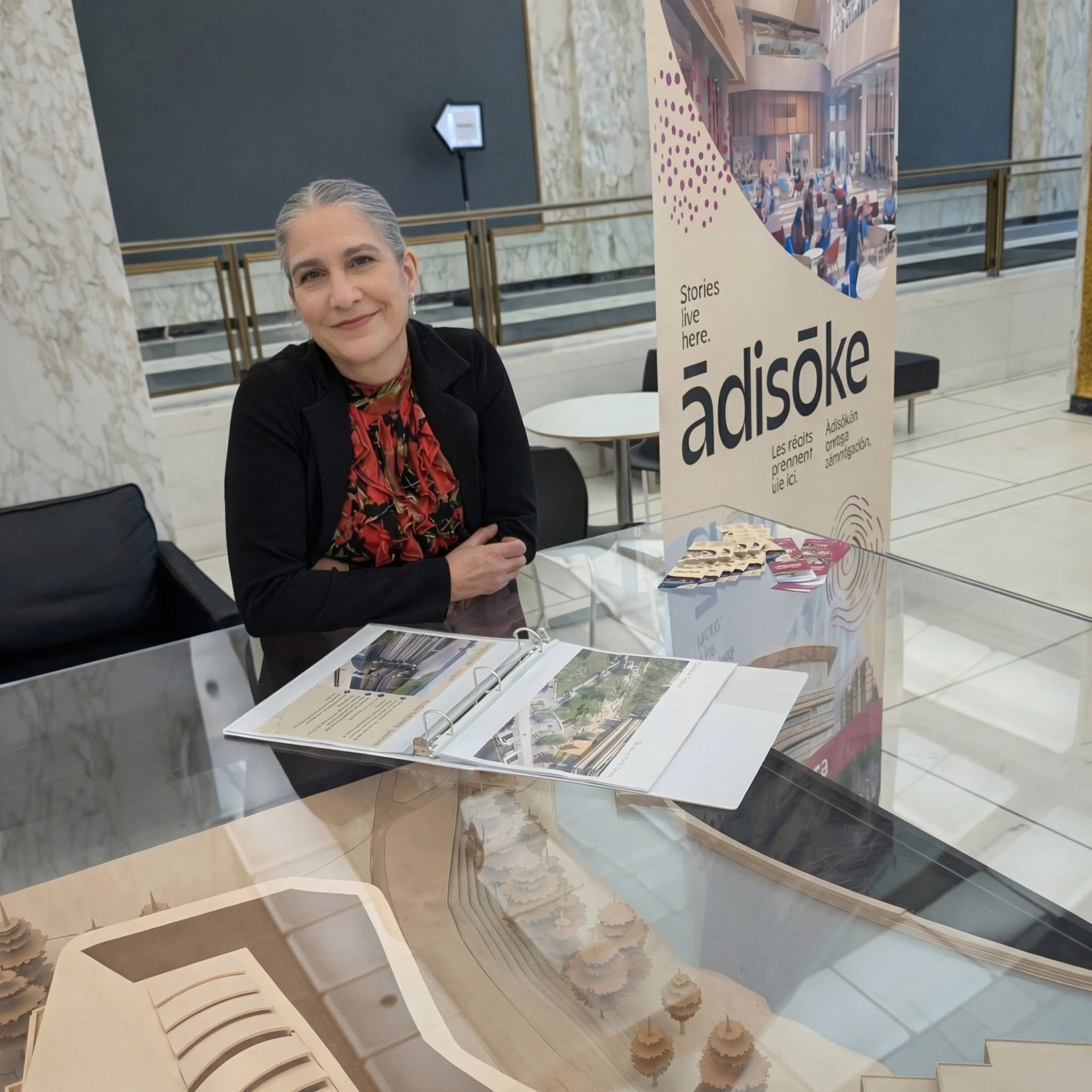
Lisa Tremblay-Goodyer, Director General of Communications and Policy, Library and Archives Canada (Ottawa, Canada)
Lisa Tremblay-Goodyer is Director General of Communications and Policy at Library and Archives Canada (LAC), leading corporate and strategic communications, overseeing the development of policy directions, and managing major transformation initiatives at the intersection of access, innovation, and audience engagement.
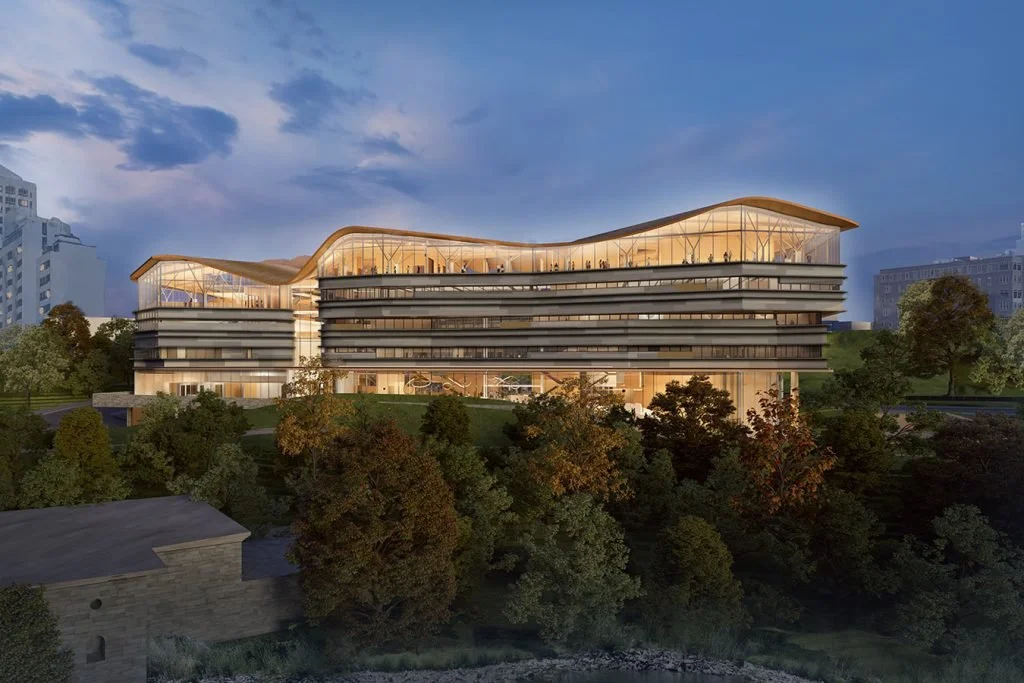
Under Lisa’s leadership in her previous role as the Director for User Experience and Services Strategy, LAC shaped a new vision of service, boldly reimagining how people connect with documentary heritage spaces, collections, and expertise in anticipation of the opening of Ādisōke, a landmark joint facility in partnership with the Ottawa Public Library.
Lisa holds Bachelor’s and Master’s degrees in political science and history from Université Laval and pursued doctoral studies through a joint program with Université Paris IV Sorbonne.
Through her work, Lisa fosters trust and builds bridges, helping shape a facility that not only serves its audiences but also inspires them to see themselves as part of a shared story. Outside the office, she embraces challenges by climbing mountains whenever possible.
Ādisōke: The Value of Engaging New and More Diverse Audiences
In 2020, Library and Archives Canada launched a new strategic plan, “Vision 2030,” with the goal of increasing access for new and more diverse audiences. This plan, alongside the design and construction of a new landmark facility with the Ottawa Public Library, Ādisōke (an Anishinābemowin word that refers to storytelling), has set LAC on an ambitious journey to reaffirm its place as both a trusted source of knowledge and an organization that inspires and reflects everyone. However, fostering discovery, understanding, and connection in this era of information overload is an enormous challenge. It requires more than good intentions and a beautiful new building. LAC needed to better understand the needs, wants, and interests of both its current users and the people and communities currently outside its reach. This work began with the development of an audience framework.
This case study will discuss LAC’s work to develop an audience framework — a first for an archival institution in Canada — and how the resulting framework is informing service design, including the creation of experiences to reach new users. I will discuss the lessons learned in piloting services and programs designed to engage LAC’s new audience segments.
Through this important work, LAC has affirmed that it is at its best and has the greatest impact when it rises to the challenge of meeting people where they are. This has meant broadening its service lens to include opportunities for play, curiosity, and exploration.
These new avenues for engagement create greater awareness, build bridges, and help establish trust with individuals and communities who have not, until now, seen themselves reflected in LAC’s collections and services. Empowering a new generation of users begins with starting a conversation.