
Louisa Gordon
Louisa Gordon
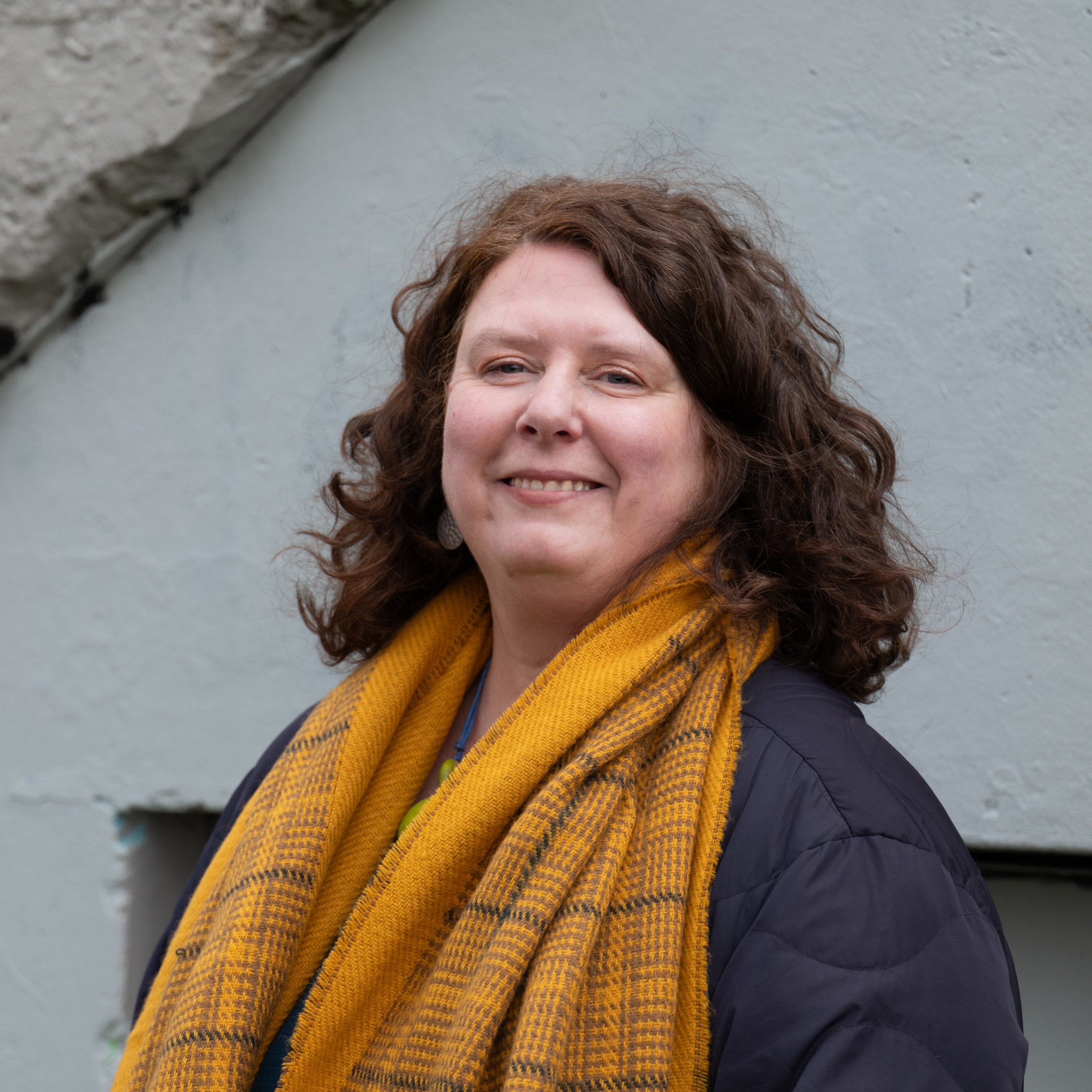
Louisa Gordon, Chief Executive Officer, The Unconformity (Queenstown, Australia)
Louisa Gordon is a dynamic arts leader with more than 30 years’ experience in arts management in Australia and internationally. She has significantly shaped the cultural landscape of Lutruwita/Tasmania through senior roles including Executive Producer of Mona Foma, Director of Programming and Production at Ten Days on the Island, and Executive Producer of Taste of Tasmania.
A NIDA graduate, Louisa began her career in performing arts and worked extensively as a stage and production manager before moving into leadership roles at Northern Rivers Performing Arts, Flying Arts, Queensland Music Festival, and Brisbane Festival. Previously the Chair of Mature Artists Dance Experience and a member of the panels of Tasmania Performs and Regional Arts Network Tasmania, she brings strategic vision, creative flair, and deep industry insight to her current role as CEO of The Unconformity.
Speaking Up at the Edge: How a Remote Arts Festival Builds Connection through Community Engagement
The Unconformity is a biennial contemporary arts festival based in Queenstown as well as year-round creative explorations on the remote west coast of Lutruwita/Tasmania. Shaped by a post-mining landscape, the organisation works at the intersection of art, community and place.
Across 14 years and seven festivals under the same leadership, the organisation built a strong foundation based on experimentation, deep listening and responsiveness to place. This approach extended to communication. In a crowded media landscape, The Unconformity chose to speak sparingly - only when there was something meaningful to say. This created a clear and distinctive presence, but it also assumed a level of familiarity.
As the organisation grew, this became a challenge. New audiences, local communities and stakeholders didn’t always have clear or consistent ways to connect with the work. In 2022 the organisation invested further in its digital capability, through the Creative Australia Digital Strategist-in-Residence program. A full audit of the organisation's digital capability led to a new digital strategy and communications plan. This laid important groundwork for future online programs, but the overall approach remained relatively restrained.
In 2024, new leadership stepped in and delivered the 2025 festival during a period of organisational change. Communication needed to shift from being occasional and tightly controlled to something more consistent, open and engaged. The focus moved to showing up regularly, building relationships and making it easier for people to understand, question and take part in the work.
This case study looks at how that shift was put into practice. Monthly Open Halls created a regular space for conversation, where community members could meet the team, ask questions and share ideas. Collaborations with local songwriters and students opened up new ways for people to get involved and brought the organisation into different creative networks. These face-to-face moments were supported by a more active digital approach, helping maintain visibility and connection between events.
Together, these changes made communication a central part of how the organisation works - not just something that supports the program, but something that builds trust, relationships and shared ownership. This was especially important during leadership transition, when clarity and visibility mattered most.
Early signs, including increased participation, broader engagement and community feedback, suggest a stronger and more connected relationship with audiences.
This session shares what was learned from the 2025 festival and explorations. It shows that in regional contexts, communication needs to be consistent, visible and ongoing. It’s not enough to speak well - you also need to be visible. The experience of The Unconformity demonstrates that real impact comes from staying connected to place and people, especially during times of change.