
Nicolas S. Roy
Nicolas S. Roy
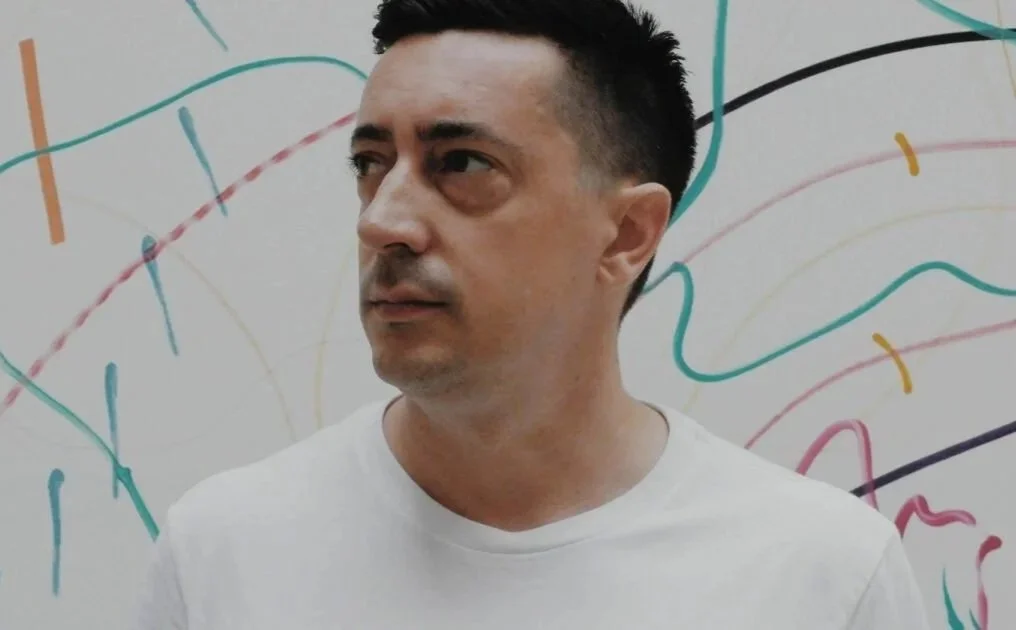
Nicolas S. Roy, CEO, Founder, and Executive Creative Director, Dpt. (Montreal, Canada)
Nicolas S. Roy is the CEO, founder, and executive creative director of Dpt., a role he has held since 2007. He has been producing and directing immersive experiences for over 20 years. Through a multidisciplinary approach that combines design and technology, he has collaborated with institutions such as the National Film Board of Canada, Google, the Montreal Science Centre, Mandai Parks, Cirque du Soleil, Ubisoft, and Nike. His immersive projects have been showcased at major international events, including Cannes XR, the Venice Film Festival, the Tribeca Film Festival, and SXSW.
Nicolas is also a speaker and has presented at events such as South by Southwest, Mutek, the World VR Forum, the AR/VR Global Summit, and Unity for Humanity. He was part of the 50 Museum Influencer 2025 list by Blooloop and the XList Most Creative Visionaries in Experiential 2025.
Curating an Algorithm: When AI Transforms History into a Conversation
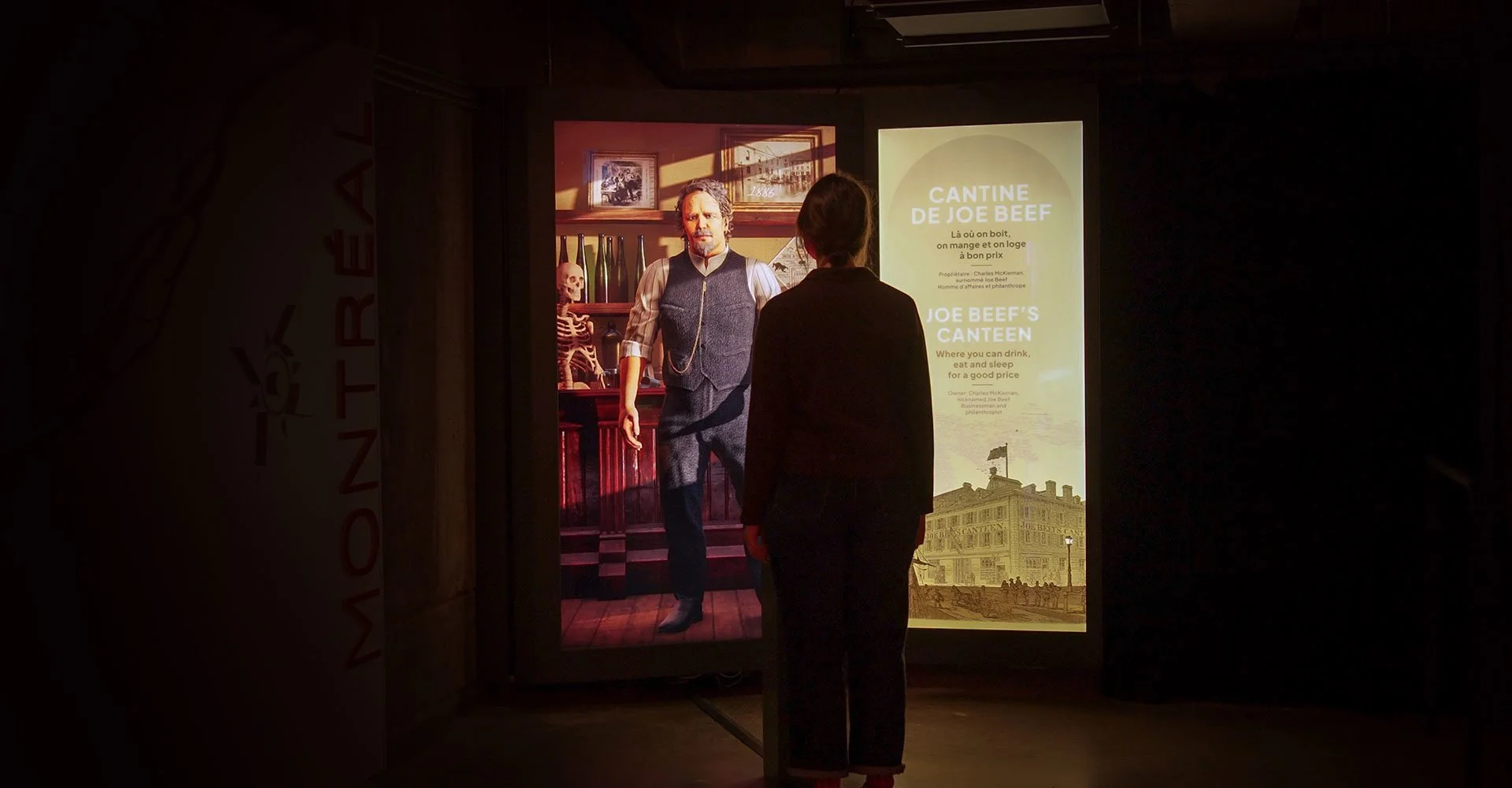
Museums are increasingly exploring artificial intelligence as a new form of cultural mediation, but with that exploration comes a central challenge: trust and integrity. This talk presents a case study of the Joe Beef AI avatar, an interactive digital interpretation of Charles McKiernan, also known as Joe Beef, developed for Pointe-à-Callière Museum (Montreal). The project set out to answer a simple question: how can an AI-driven character engage visitors conversationally while remaining historically rigorous, transparent, and credible?
Rather than focusing on AI as spectacle, the talk examines the system as a curatorial instrument. We will unpack how historical sources were selected, structured, and constrained to prevent hallucination, speculation, or anachronism. Particular attention is given to the tension between open-ended dialogue and controlled knowledge domains: how much freedom an AI should have, and where hard limits must be imposed to preserve institutional authority.
The presentation also addresses what did not go as planned. On the technical side, we encountered challenges in 3D reconstruction and character presence: balancing realism with performance constraints, lighting variability, and hardware reliability in a public gallery. On the AI side, early iterations revealed unexpected visitor behaviors, including attempts to provoke the avatar or push it beyond its historical scope. These moments exposed gaps in content moderation, tone calibration, and failure-state design.
Crucially, the museum context forces a rethinking of success metrics. Engagement alone is insufficient; accuracy, consistency, and explainability matters more. We will share lessons learned about curatorial oversight, versioning of knowledge bases, multilingual interaction, and the importance of clearly signaling what the AI can, and cannot, claim to know.
The talk will address practical strategies for museums considering similar initiatives: governance models for AI content, collaboration frameworks between historians and technologists, and design patterns that preserve visitor trust while embracing conversational interfaces, suggesting how museums can adopt AI responsibly, without compromising their role as stewards of historical truth.