
Pascal Hufschmid
Pascal Hufschmid
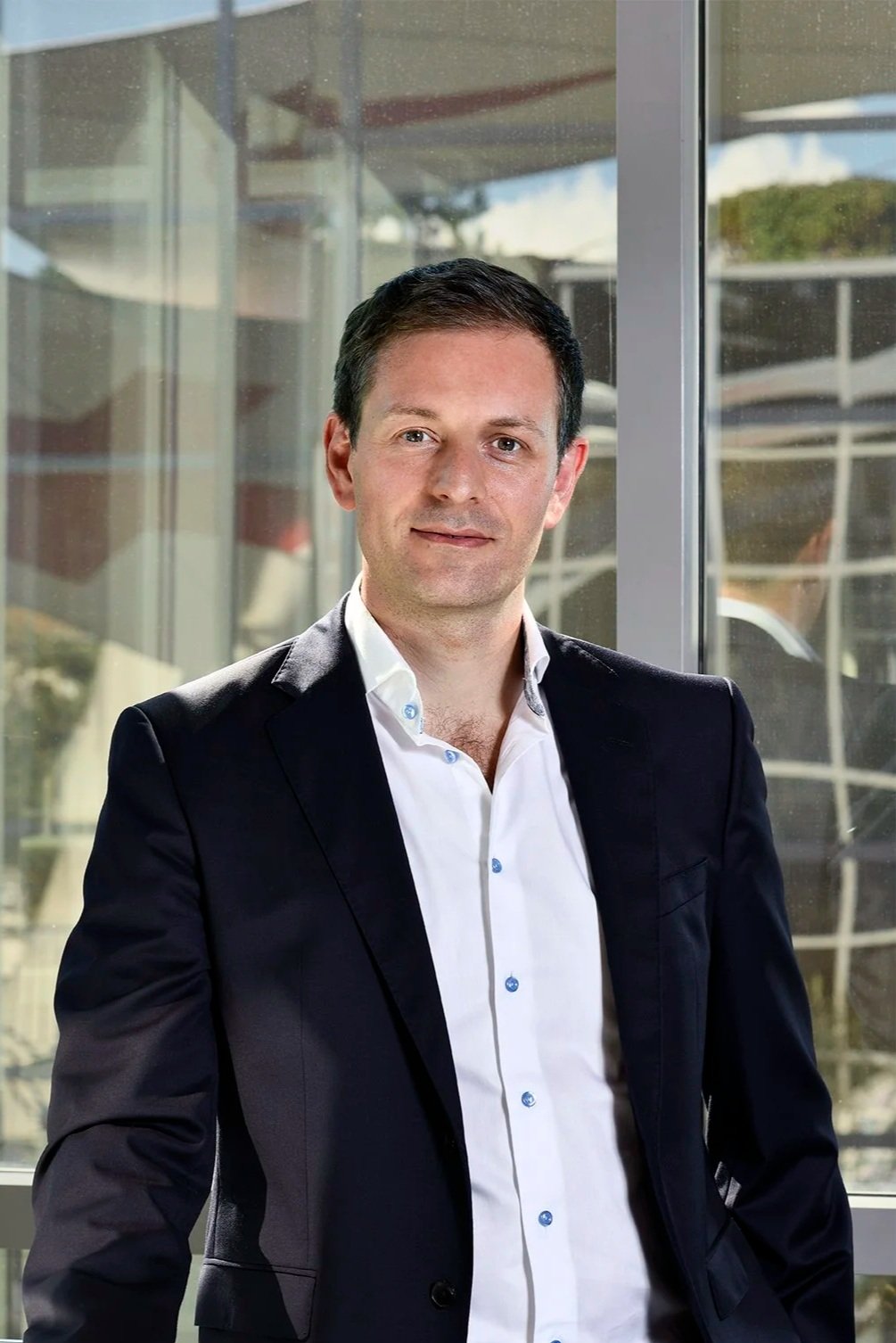
Pascal Hufschmid, Executive Director of the International Red Cross and Red Crescent Museum (Geneva, Switzerland)
Pascal Hufschmid is an art historian specializing in photography. He has led multidisciplinary cultural projects in Switzerland and around the world, drawing on expertise in museology, the art market and international organisations. Since 2019, he has served as Executive Director of the International Red Cross and Red Crescent Museum in Geneva, where he fosters dialogue between humanitarian action, art and research — notably through exhibitions such as To Heal a World. 160 Years of Photography from the Collections of the Red Cross and Red Crescent (2022). He serves on the boards of Pro Helvetia, the Edgelands Institute, and chairs the Academic Council at HEAD–Genève.
Saving a Museum: Lessons Learned from an Existential Crisis
In September 2024, the International Red Cross and Red Crescent Museum — a private foundation reliant on public funding — discovered, through a single line in a public report, that 25% of its annual budget would be cut. No consultation. No warning. No explanation. Within two years, the museum would face a structural deficit leading to possible closure and the dispersion of a unique humanitarian heritage.
This presentation offers a candid case study of how a small institution connected to a worldwide humanitarian movement confronted an existential threat – and how the crisis became an unexpected stress test for a new organisational model developed by the Museum since 2019: the learning museum. Anchored in values such as care, inclusion, responsibility and curiosity, the learning museum is not a slogan but a working culture: one that listens, adjusts, documents, and learns with its community. The crisis revealed its strength.
Over ten months, the Museum mobilised civil society, partners and networks from a wide diversity of sectors (culture, humanitarian action, research, education, tourism, diplomacy, business), local and federal authorities, and members of Parliament. What began as a budget cut quickly became a national and international debate on identity, heritage, and the contemporary relevance of humanitarian values in Switzerland. In July 2025, a multi-layered public agreement secured the Museum’s future until 2030.
Beyond this outcome, the case yields actionable insights for institutions facing uncertainty:
• how trust is built long before a crisis;
• how values become operational when stakes are highest;
• how transparent communication creates credibility;
• how cultural institutions can function as civic infrastructure;
• and how crises can accelerate institutional learning rather than erode it.
This talk argues that saving a museum is never only about funding. It is about mission clarity, collective courage, and the power of cultural ecosystems to bridge worlds in moments of fracture.