Peter Aerts
Peter Aerts
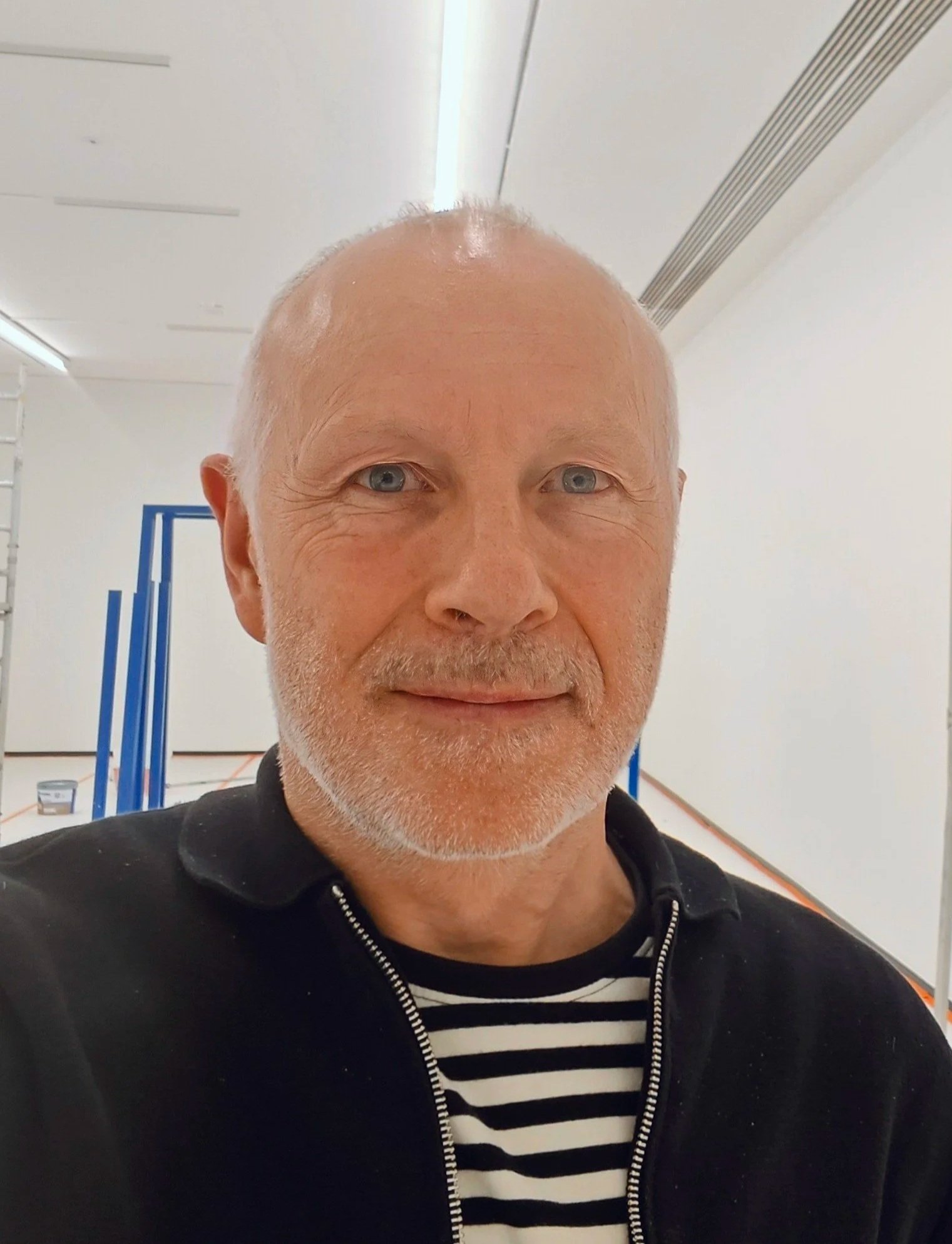
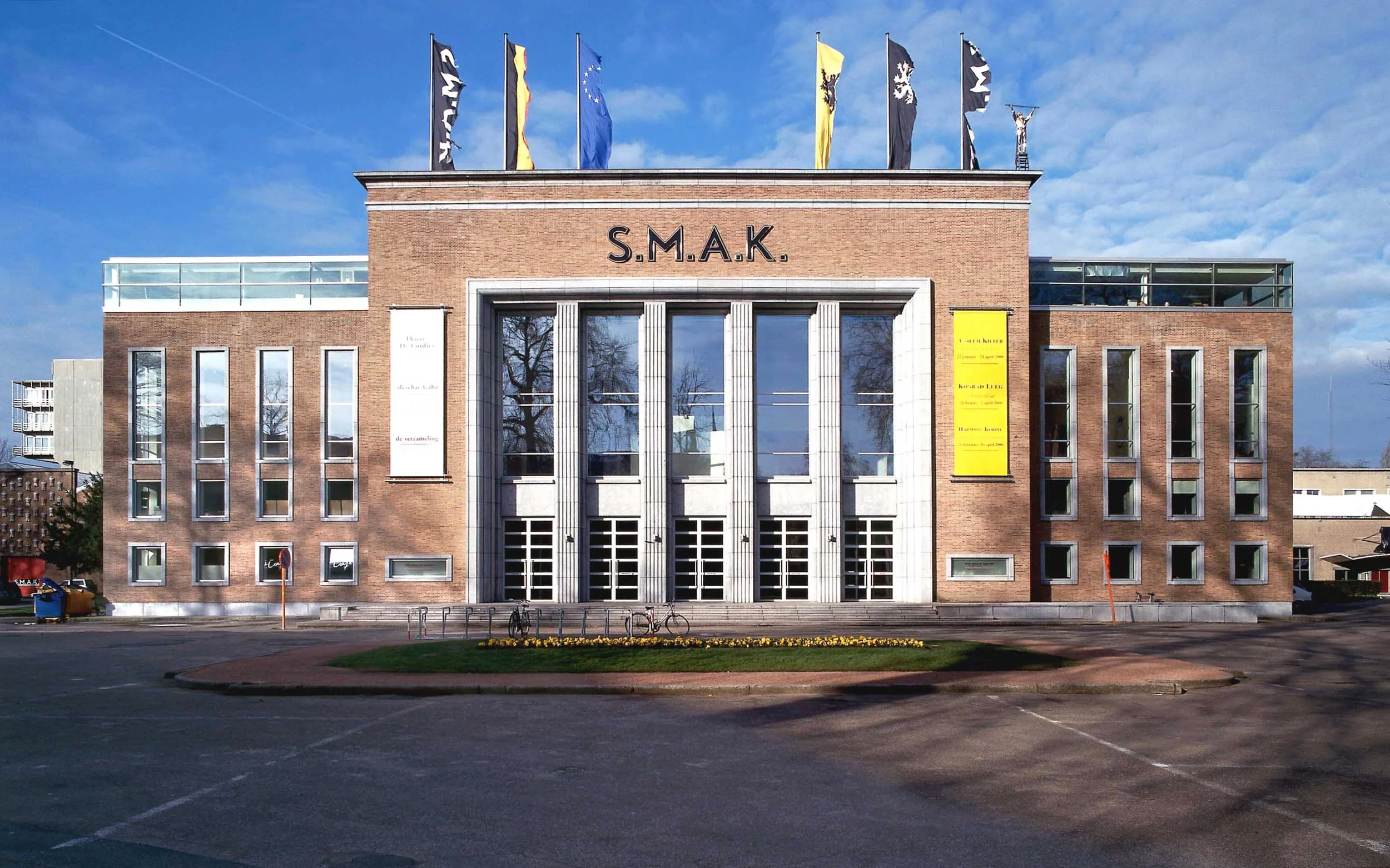
Peter Aerts, Head of Communication, Audience Development and Visitor Experience, S.M.A.K. – Municipal Museum of Contemporary Art (Ghent, Belgium)
Peter Aerts has worked at S.M.A.K. in Ghent since 2013, where he leads visitor experience, education, audience development, and communication.
Trained at St Lucas University College of Arts in Antwerp and The School of Communication Arts in London, Peter spent two decades in advertising as a media-arts creative and creative director before making the move to the museum sector. That background gave him one lasting habit: caring about people.
In 2015, his team launched S.M.A.K.MOVES, an engagement program that has grown into a structural pillar of the museum. In 2023, S.M.A.K. received the European Art Museum Award in recognition of the value of this project. To explore how to connect young audiences with art, he initiated Art United, a collaborative research project bringing art and museums to pop festivals, a project nominated for International Project of the Year at the Museums + Heritage Awards 2020.
Peter believes a museum can become more responsive when it stays curious, restless, and open to what lies beyond its own walls. By experimenting with insights from other fields, disciplines, and ways of working, museums can innovate to stay relevant. The ambition still stands: to make contemporary art accessible without making it less complex, and to broaden its reach without losing its depth, edge, or artistic nerve. The goal is not simply to bring more people to art, but to make art matter more — to make it more present, more urgent, and more meaningful in everyday life.
CASE STUDY AND WORKSHOP - The Dopamine of Discovery: Rethinking Access in a Gatekeeping Institution
Contemporary art museums are built on slow authority. Their legitimacy accumulates through collections, artistic research, programming, scholarly judgment, and curatorial consistency, to name a few. This slow authority is not incidental — it protects artistic ambition and gives the institution its credibility.
At the same time, museums are increasingly asked to move fast, stay relevant, and remain financially resilient in a world shaped by fragmented attention, shifting urban communities, and unequal access to arts education. These demands do not wait for scholarly consensus. They require institutions to be agile.
The friction between slow and fast legitimacy surfaces around authority, standards, and access — and often rests on an implicit institutional belief: that curatorial intent, depth, and quality must be upheld in the same way across every touchpoint, from exhibition texts and communication to digital experience, spatial design, mediation, and visitor encounter. This talk addresses that belief directly. Holding a strong curatorial line does not require guarding every threshold in the same way. Designing differentiated access can strengthen rather than compromise artistic integrity.
Drawing on the evolution of S.M.A.K.MOVES into a structural pillar at S.M.A.K. in Ghent, this session explores how museums can create different conditions of encounter without reducing artistic ambition or compromising artistic autonomy. The model looks outward, connecting fields that study the same people from different angles: behavioural science, human resources, and service design. Together, these perspectives illuminate what makes people pay attention, tolerate difficulty, and experience reward.
At the centre of the talk is a simple principle: effort deserves meaningful gratification. When audiences invest attention, museums must design moments that make that effort worthwhile. But how do you know what’s rewarding? The session introduces an experimental working model that helps teams identify points of resonance and design more rewarding routes through contemporary art. This is not about making art easier. It’s about making complexity more accessible through deeper insight into attention, gratification, and reward.
Rather than a finished framework, this case study shares an institutional experiment in progress and asks whether the tension between depth and accessibility is a real constraint or a false choice we have learned to accept.
Note: This topic will be presented both as a case study session and as a 60-minute working session. Delegates interested in participating in the workshop are encouraged to attend the case study presentation as well, in order to be better prepared for the working session.