
The museum is burning. Now what?
The arts sector has spent years discussing crisis management. Yet at Communicating the Arts 2026 Ottawa-Gatineau, the conversation will move beyond abstract theory toward something more urgent: how cultural institutions can communicate through crises in ways that are credible, transparent and deeply human
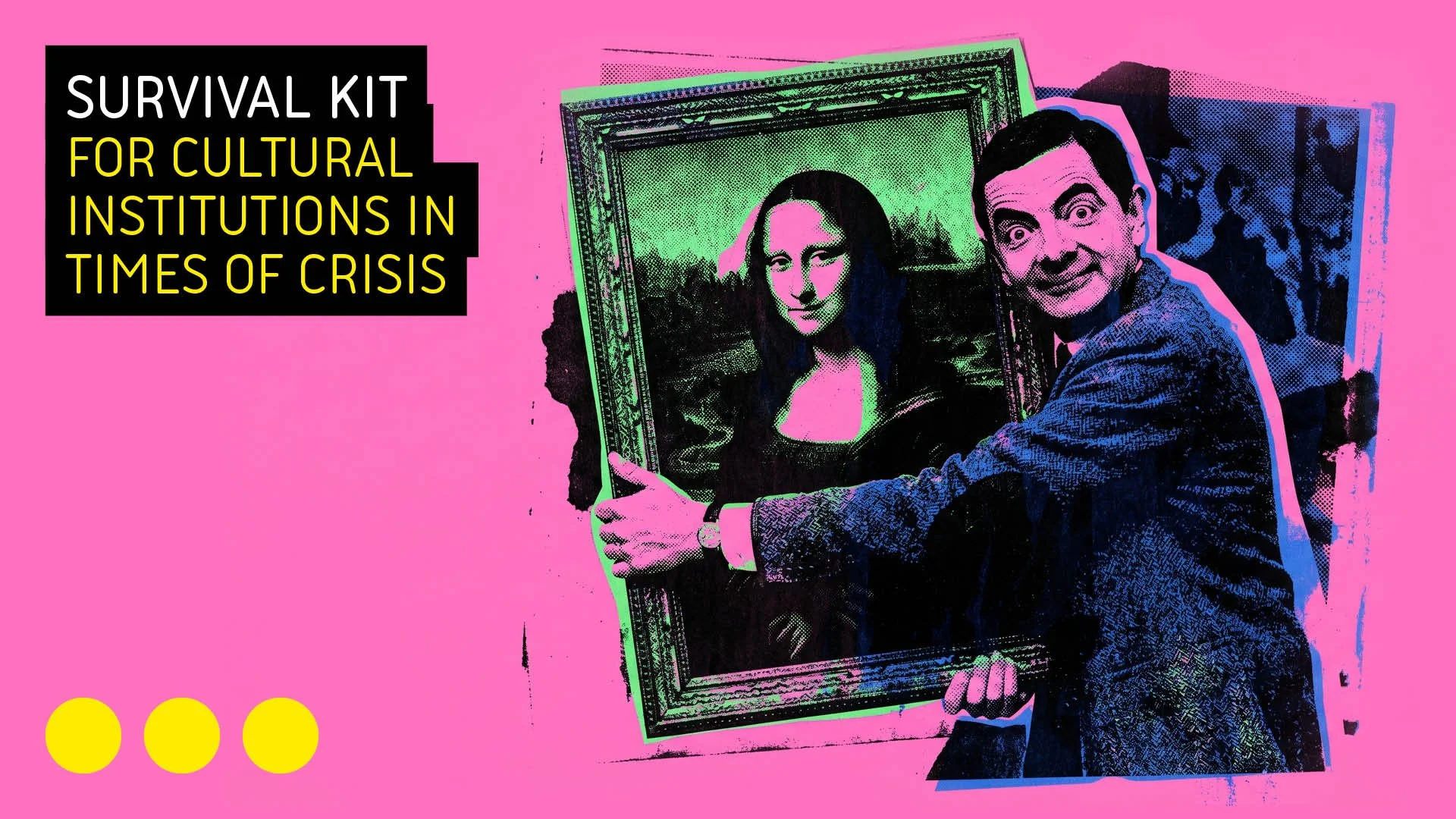
Recent events have shown how fragile institutional trust has become. In January 2025, thieves broke into the Drents Museum in the Netherlands and stole archaeological masterpieces on loan from Romania’s National History Museum in Bucharest, including the golden Coțofenești Helmet and three ancient gold bracelets. Later that same year, in October, the Louvre itself was shaken by a major heist, reigniting debates about security, institutional responsibility, and communication under pressure.
Paul Klarenbeek, spokesperson and corporate communications advisor at the Drents Museum, will speak at Communicating the Arts 2026 Ottawa-Gatineau — whose theme this year is Building trust, bridging worlds — not to present a polished recovery story, but to describe what really happens when a cultural institution faces catastrophe: confusion, media frenzy and the long aftermath once public attention fades.
Because crises no longer disappear when headlines move on. Digital memory has transformed them into permanent reference points capable of resurfacing years later. For museums, a crisis rarely truly ends.
Communication at the centre of institutional crises
The Drents Museum robbery was at least immediately understandable: a crime, a victim and a clear loss. More difficult to navigate are crises generated by institutional transformation itself.
When the National Gallery of Canada created a dedicated Indigenous and Decolonisation department, reactions were divided. Some praised the initiative as overdue, while others accused the institution of prioritising politics over art. Donors raised concerns, commentators criticised the museum publicly, and staff found themselves navigating competing visions of what a national cultural institution should represent.
Liliane Lêand Steven Loft, vice-presidents at the gallery, will reflect on this experience during the conference. Their case demonstrates how communication has become inseparable from governance itself. Decisions around restitution, representation, decolonisation and leadership now shape public trust as much as exhibitions or collections.
Museums are increasingly expected to take ethical and political positions while still embodying institutional authority. This tension has profoundly transformed crisis communication.
Leaders as scapegoats
Across the cultural sector, institutional crises are also becoming increasingly personalised. Directors and senior staff often become the public face of controversies they did not create, while communication teams are expected to project certainty even when internal decisions remain unresolved.
The expectation that one individual can embody moral clarity within a fragmented cultural landscape is becoming unrealistic. Yet many institutions still rely on this model, placing enormous pressure on leaders already navigating complex political, financial and social demands.
Communicating the Arts 2026 aims to confront these uncomfortable realities directly. Rather than repeating simplistic ideas about “learning from failure,” the conference focuses on what institutional distress actually does to the people working inside museums and cultural organisations.
What Remai Modern understood
Remai Modern in Saskatoon will provide one of the conference’s most revealing examples. When the museum opened in 2017, reactions were severe. Critics described the institution as elitist, disconnected from local realities and inaccessible to broader audiences.
Instead of responding with defensive public relations campaigns, the museum adopted a slower communication strategy centred on trust and accessibility. It introduced free admission, strengthened collaborations with local artists and communities, and focused on making visitors feel welcome.
Its campaign, Art That Bridges, repositioned the institution as a space where people did not need specialised knowledge, social status or financial privilege to participate.
Stephanie McKay, the museum’s communications manager, will present this experience not as a triumphant recovery narrative, but as evidence that reputation is not built through statements alone. It emerges through consistent communication, daily interactions and the sense of belonging audiences experience inside an institution.
Why the corporate playbook no longer works
For decades, crisis management relied on containment: controlling the narrative, reassuring stakeholders and minimising reputational damage. But museums do not function like corporations. Their crises unfold emotionally, symbolically and often over long periods of time.
At Communicating the Arts 2026, speakers from leading institutions will argue that cultural organisations need communication strategies based less on message control and more on legitimacy, coherence and public accountability.
Today, a contested exhibition, a restitution debate or a leadership decision can trigger criticism amplified instantly by social media and digital platforms. Traditional strategies — minimise exposure, wait for the news cycle to pass — often deepen distrust instead of reducing it.
Publics no longer expect institutions simply to defend themselves. They expect coherence between what museums say and what they do.
What Communicating the Arts 2026 proposes is not another conversation about “best practices,” but a more honest reflection on how cultural institutions communicate through uncertainty, conflict and exposure.
To continue these conversations ahead of the conference, the online series Talking the Arts will launch on 18 June, bringing together speakers and experts participating in CTA 2026 to explore how crisis management in the cultural sector has changed — and what cultural leaders need to do next.
Because when the museum is burning, the public is no longer only watching the fire. It is watching how the institution chooses to speak through the smoke.
Written by Davide Mura - Editorialist, Communicating the Arts
