
Day 2
Wed 14 October
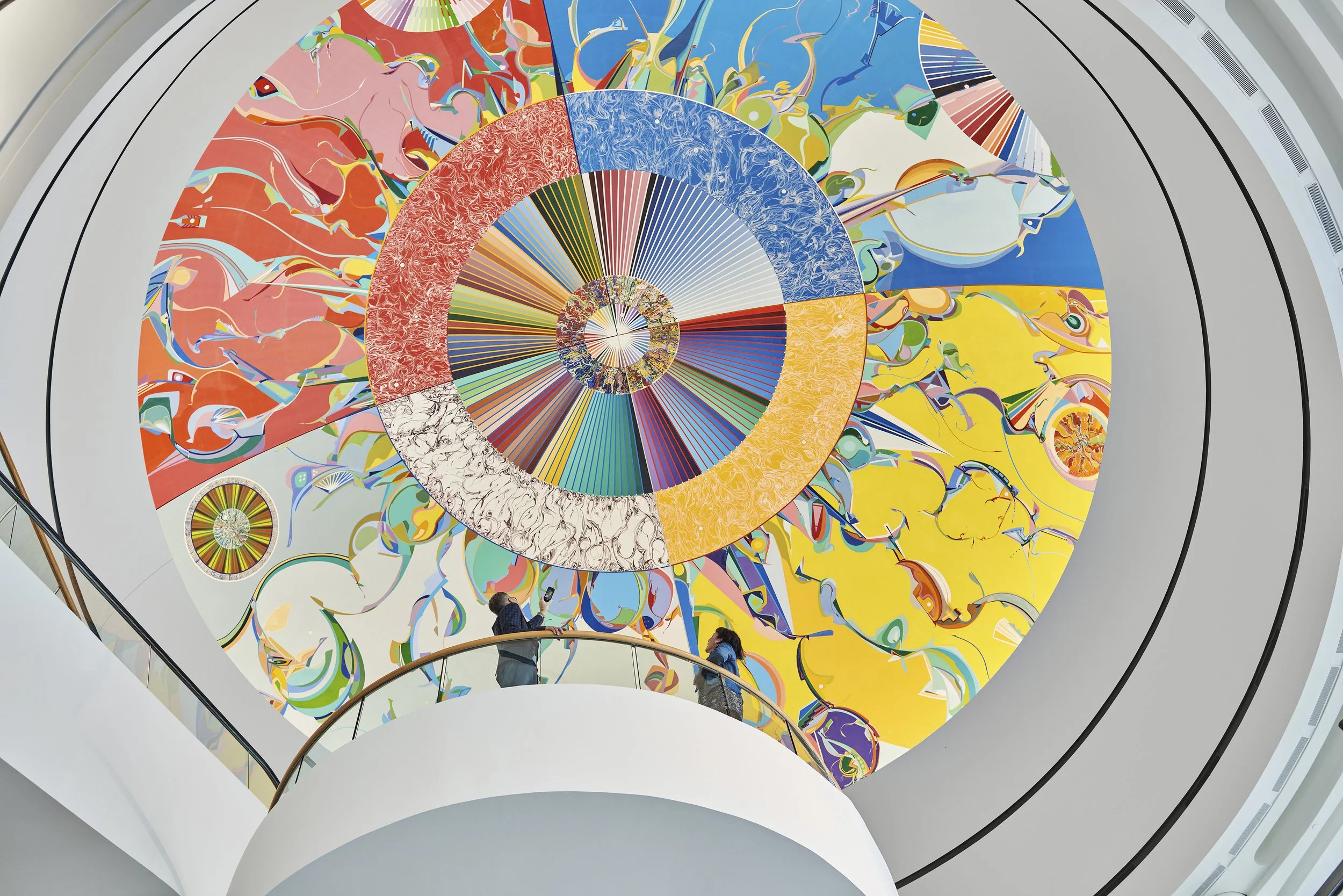
Morning Star (Grand Hall), © Canadian Museum of History
Morning • Registration and Guided Tours
Program subject to change
9:00 AM ONWARDS
Registration Open
Missed registration yesterday? Collect your delegate badge.
9:30 AM – 12:00 PM
Guided Tours
Discover Ottawa and Gatineau's cultural institutions through 6 exclusive guided tours, included in your conference pass.
Explore the available tours below and choose one or two visits based on their scheduled start times.
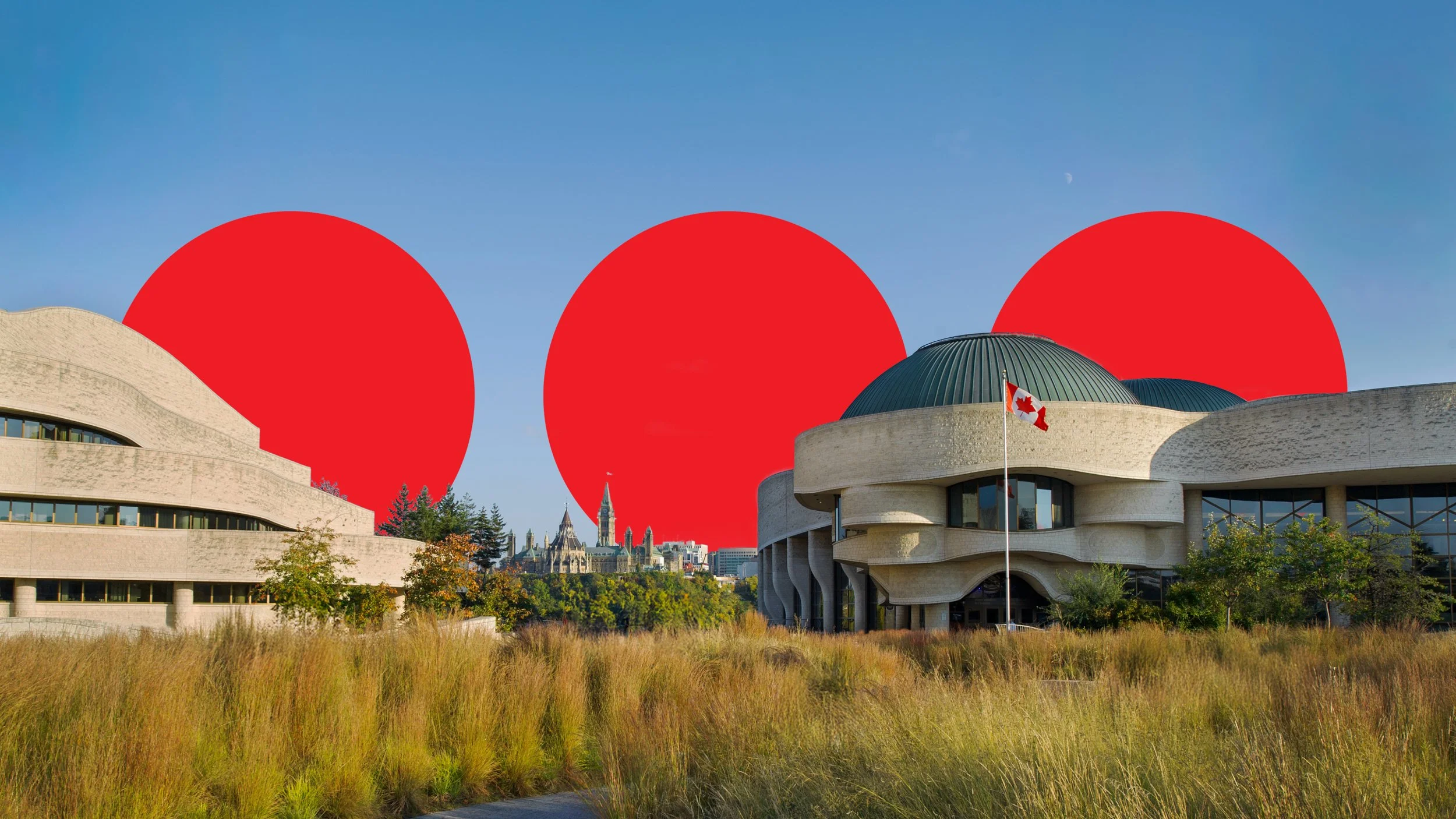
Canadian Museum of History (two tours): Experience how conservation, preparation, architecture and Indigenous art come together to shape the interpretation and presentation of cultural heritage at the Canadian Museum of History.
Canadian War Museum: An engaging look at how the American Civil War shaped Canada’s political, social and military development, and how its legacies continue to resonate today.
Korean Cultural Centre Canada & National Arts Centre: Explore how cultural institutions use art, architecture and public spaces to create opportunities for connection and engagement.
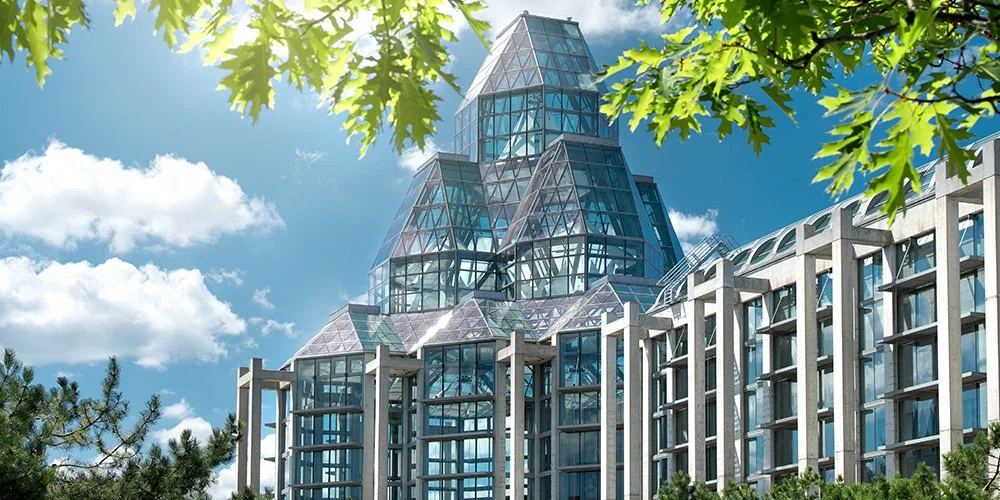
National Gallery of Canada: See how architecture, light, materials and geometry shape the Gallery’s relationship with the city and the way art is experienced.
Library and Archives Canada & Thunderhead Monument: Join Library and Archives Canada (LAC) project experts Mario Gasperetti and Lisa Tremblay-Goodyer for a guided experience connecting LAC’s past, present and future. The visit will begin in the Sunken Lobby at 395 Wellington Street, in Ottawa: LAC’s longstanding home, known for its distinctive mid-century architecture and designated as a Classified Federal Heritage Building. Following a brief introduction, participants will get a glimpse into LAC’s future through Ādisōke, the new shared facility under construction with the Ottawa Public Library, and discover the vision behind this exciting new chapter. From there, the group will take a 15-minute walk toward Ādisōke, stopping near Ottawa’s historic Fleet Street Pumping Station, where participants will enjoy a unique perspective of Ādisōke. There, they will learn more about the facility’s architecture and vision, as well as the welcoming and inclusive experience being created for future visitors.
Important informationRegistration: Places are limited to 20 participants per tour. Registration is required through the CTA App.
Meeting point: Delegates can depart together from the Canadian Museum of History at 9:30 AM
Getting there: All tours are walking tours and involve periods of standing and walking. Please wear comfortable shoes and carry an umbrella.
Conference registration : The registration desk at the Canadian Museum of History will remain open until 1:00 PM for delegates who were unable to register the previous day.
12:00 PM – 1:00 PM
Lunch Recommendations
Nearby restaurant recommendations:
Bobino Bagel (10% off upon presentation of delegate badge)
Happy Goat Coffee (Notre-Dame)
La P'tite Épicerie du Quartier
L'Ardoise
COFFEE
1:00 PM – 1:30 PM
Tea and Coffee on arrival at the Canadian Museum of History
Afternoon: Values and Mission
PLENARY SESSIONS

FROM 1:30 PM
CANADIAN MUSEUM OF HISTORY - THEATRE
Welcome Speeches
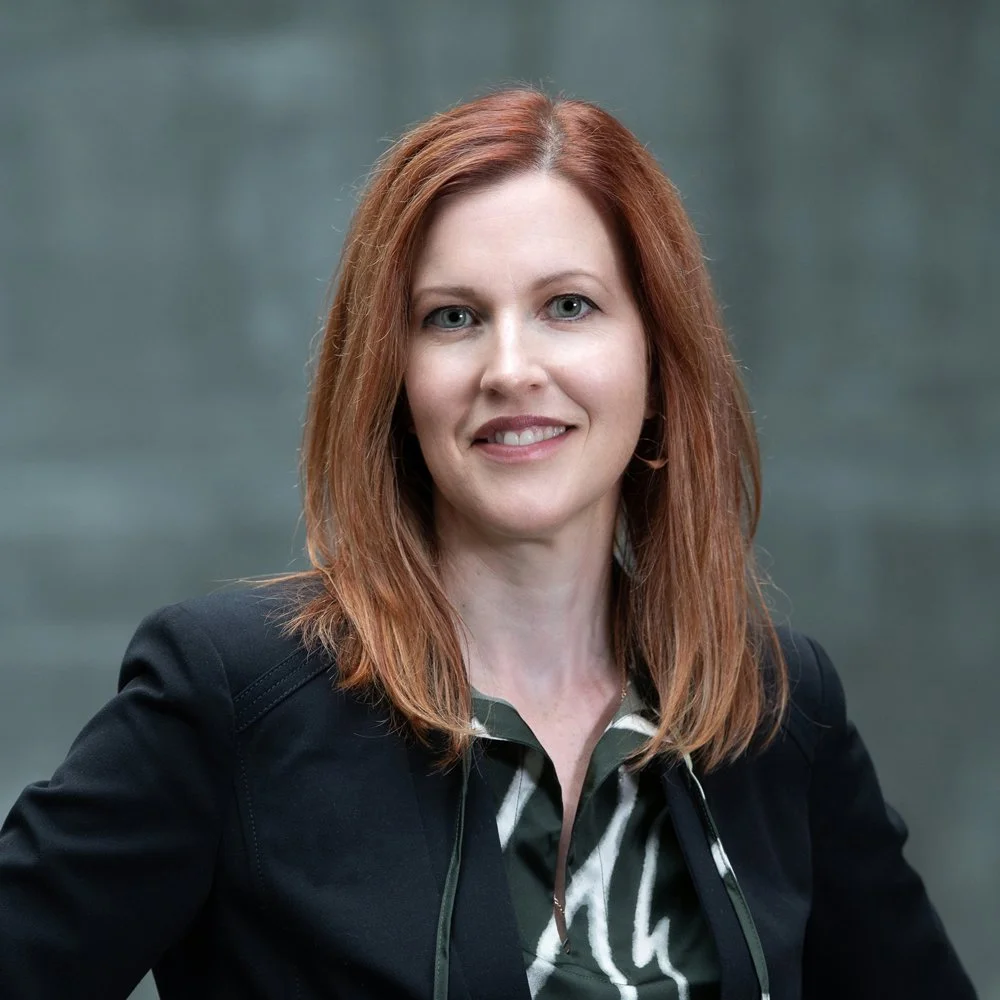
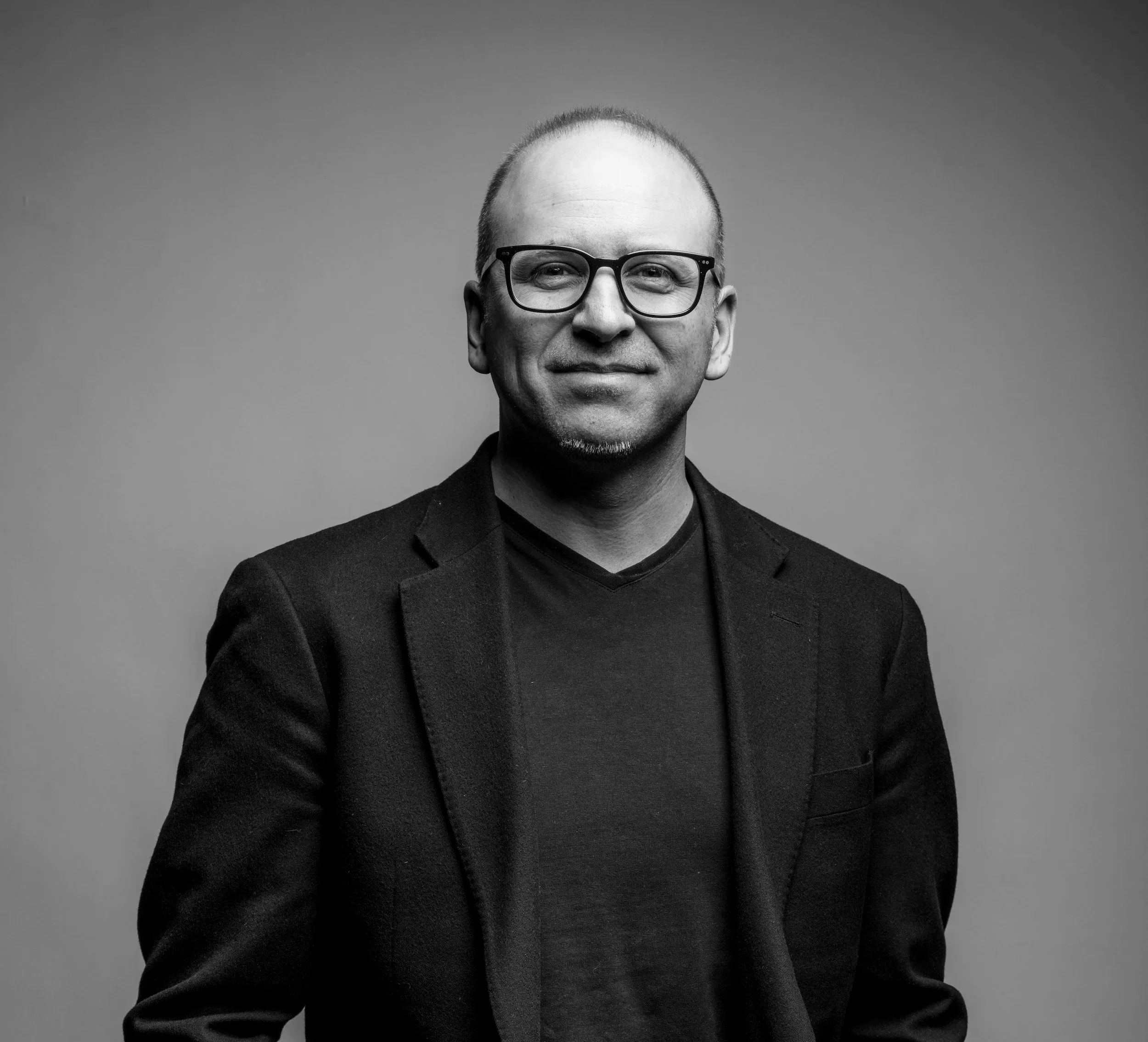
Conference Co-chairs Corinne Estrada 🇫🇷, Founder, Communicating the Arts and Corey Timpson 🇨🇦, Principal, Prime Access Consulting Inc.,
alongside Lisa Walli 🇨🇦, Chief Experience Officer & Vice-President of Public Affairs, Advancement and Digital, Canadian Museum of History
KEYNOTE
The State of Public Trust and How to Communicate Culture in a Divided World
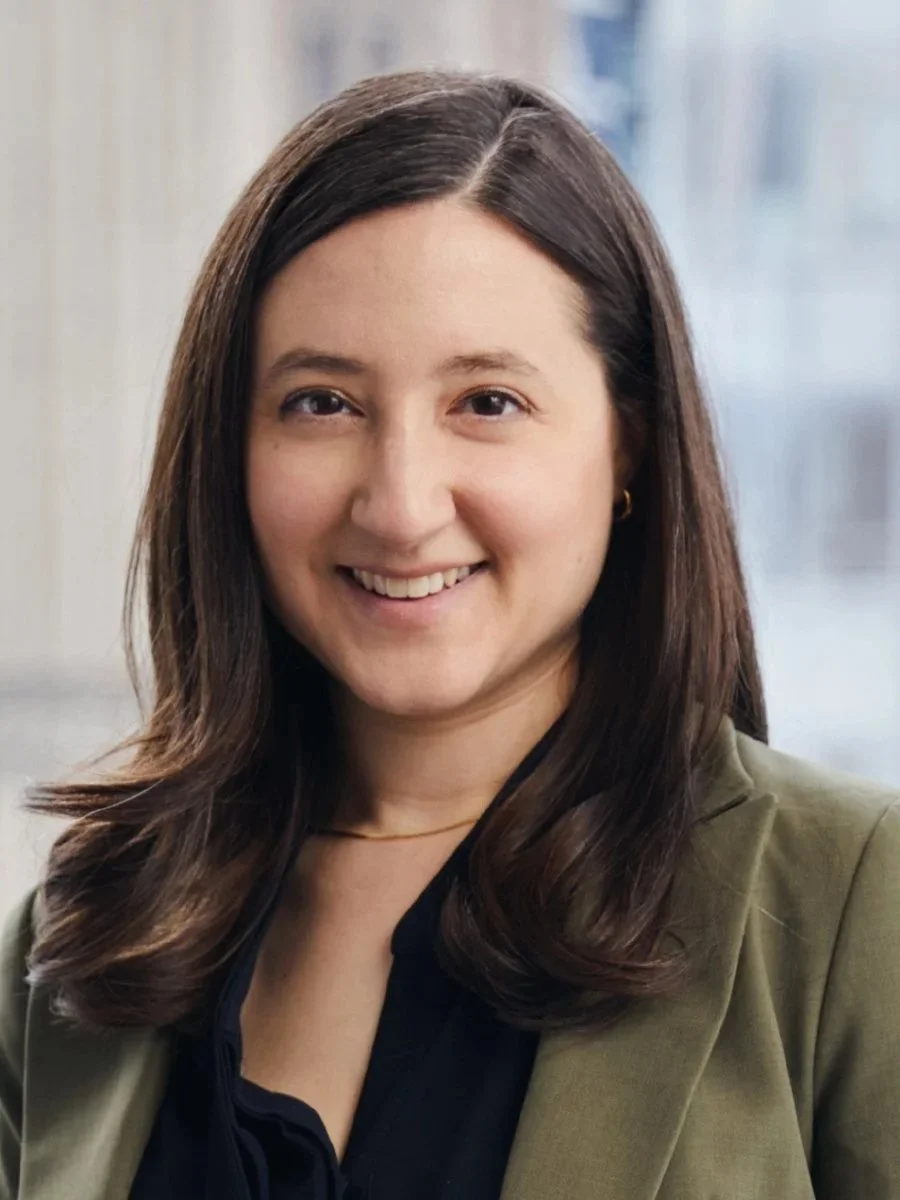
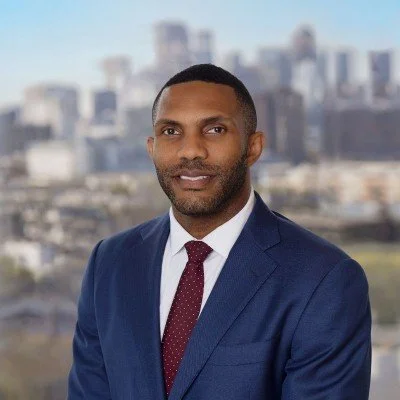
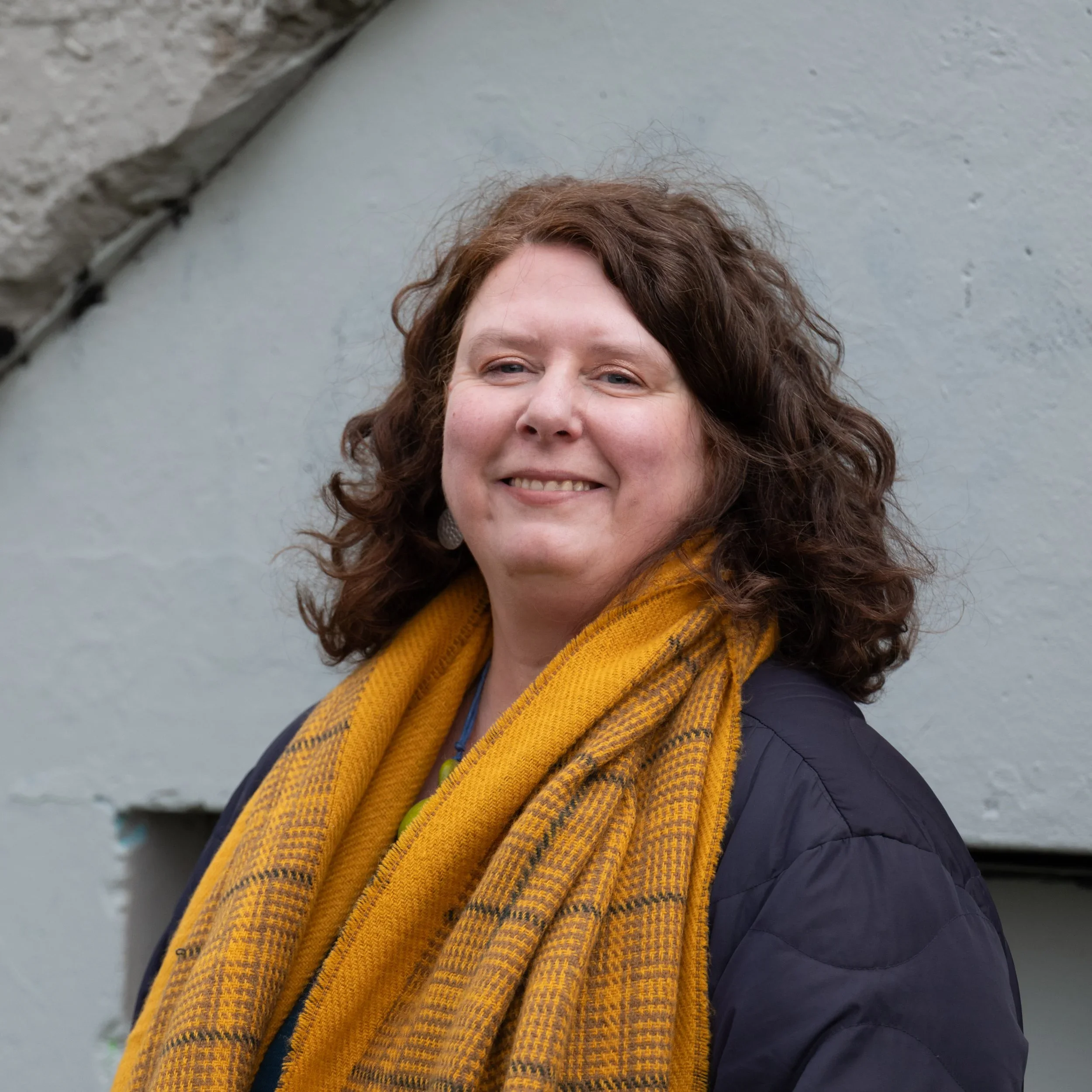
by Liza Eliano 🇺🇸 and Travis Malone 🇺🇸, Directors, Brunswick Group US
-
Brunswick will field a proprietary research study in 2026 to establish a nationwide U.S. benchmark on public trust, credibility, and cultural value in a polarized era. Public trust has long been a quiet asset for museums, performing arts organizations, libraries, science centers, and parks. But the current environment — politicization of cultural programming, misinformation, generational value shifts, and economic strain — demands fresh evidence on how that trust is earned, lost, and restored. Brunswick’s study will illuminate what drives confidence and legitimacy, useful for arts organizations as well as the corporations and foundations that fund them. It will use qualitative and quantitative methodology with adults in the US.
This session would deliver the takeaways from the research, with learnings for communicators across the sector of arts and culture on how they can use the tools of marketing and communication to retain and foster a high level of trust with their stakeholders.
PANEL
Bridging Worlds: Cultural Institutions in a Fractured Landscape
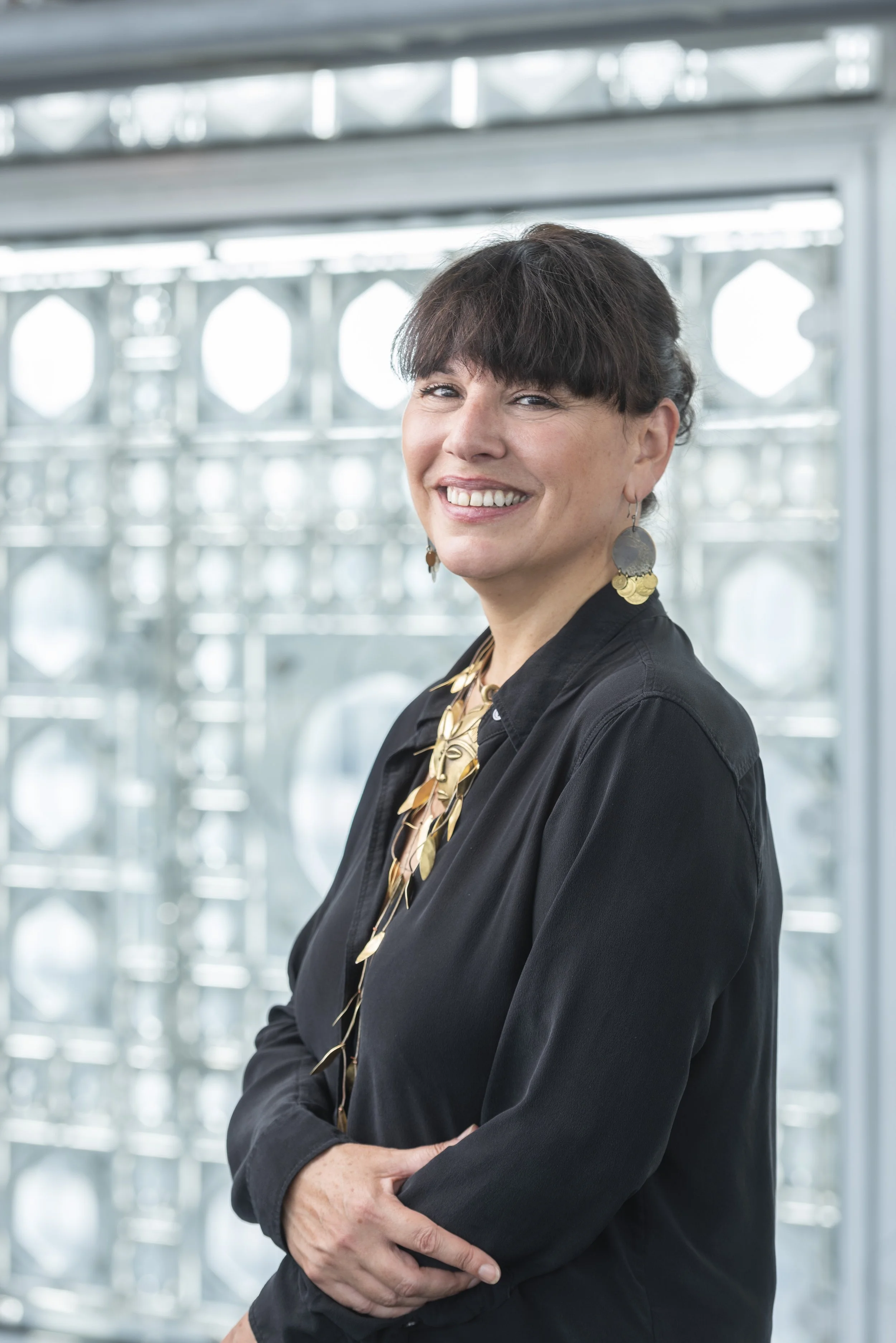
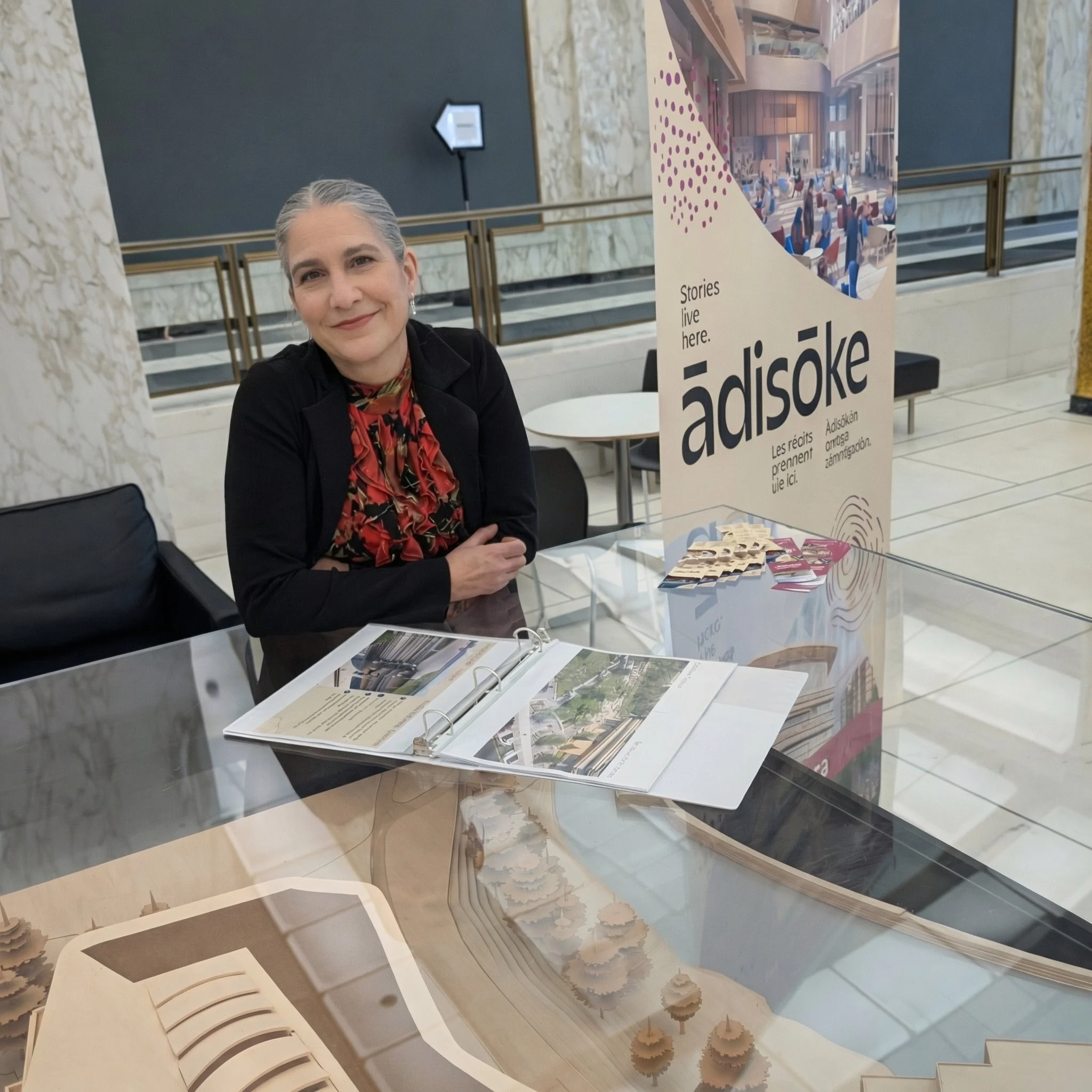
Chaired by Corey Timpson 🇨🇦, Principal, Prime Access Consulting Inc., with Nathalie Bondil 🇫🇷, Museum and Exhibitions Director, Arab World Institute, Lisa Tremblay-Goodyer 🇨🇦, Director General of Communications and Policy, Library and Archives Canada, and Louisa Gordon 🇦🇺, Chief Executive Officer, The Unconformity
-
Cultural institutions are increasingly called to be places of belonging, gathering, and encounter - yet they operate in a world that is more polarized, more fragmented, and more skeptical of single narratives than ever. What does it mean to "bridge worlds" when there is no single community to speak to, and no single story to tell?
This panel brings together perspectives from across disciplines and geographies - museum leadership, indigenous curatorial practice, and library and archival science - to ask what institutions need to learn, and unlearn, to build genuine trust across differences. Rather than seeking visibility or representation as an end point, the conversation will explore what it takes to move toward real agency, co-design, and depth of engagement - and how institutions can hold space for divergent voices without retreating into a single flag or a single audience.
Drawing on concrete experience from the Arab world, from indigenous curatorial practice, and from the library and archives sector, the panel will surface practical tools and honest reflections on working across - and sometimes despite - political and cultural fault lines.
BREAK
Tea and Coffee Break
Sponsored by My Catering Group
LEARNING FROM PRACTICE: CONCURRENT CASE STUDY SESSIONS
Each session is 1 hour long, featuring 2 presentations and live Q&A.
4:00 PM - 5:00 PM
SESSION 1
THEATRE
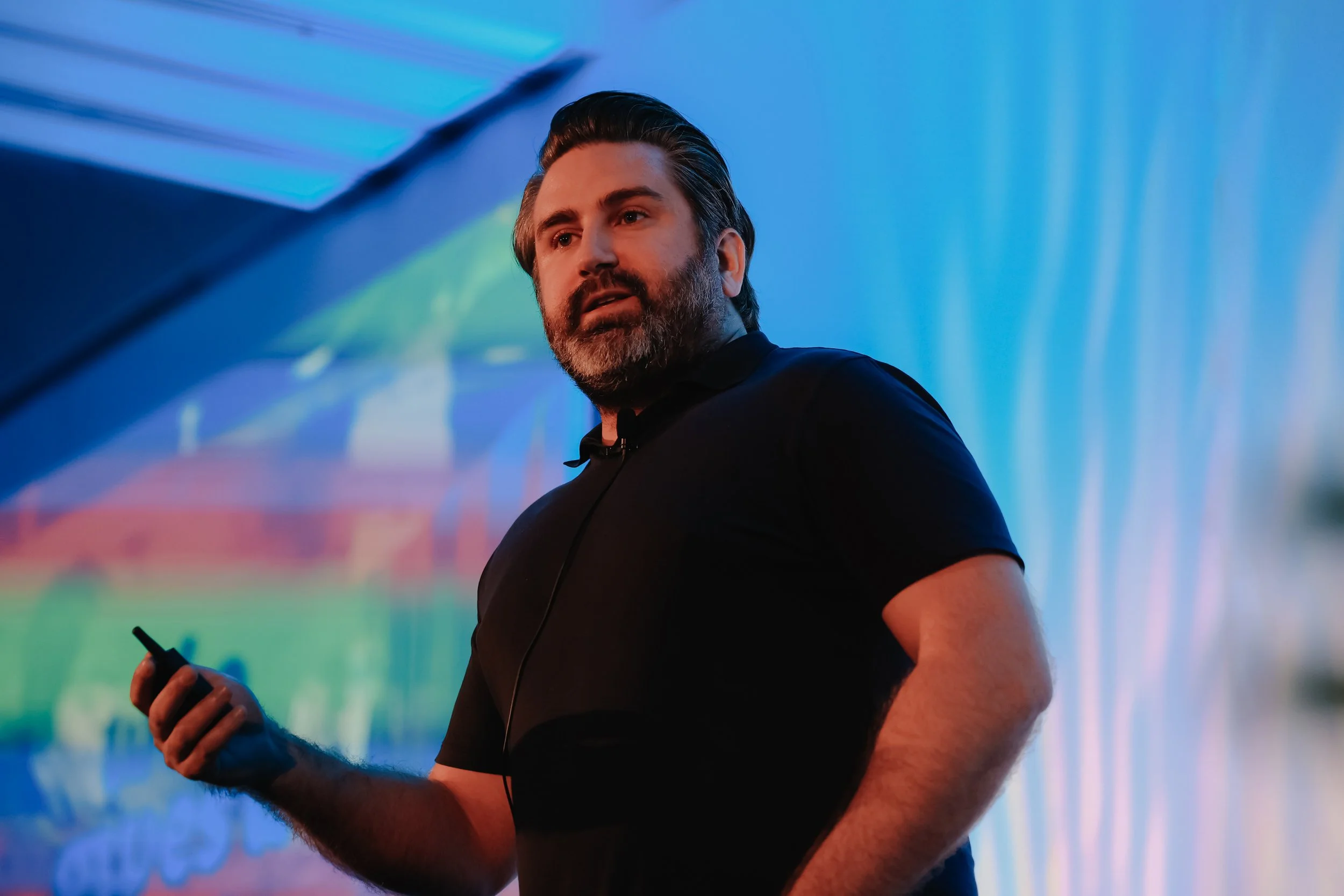
Building Trust through Human-Centred Branding
Before We Think: The hidden psychology of branding
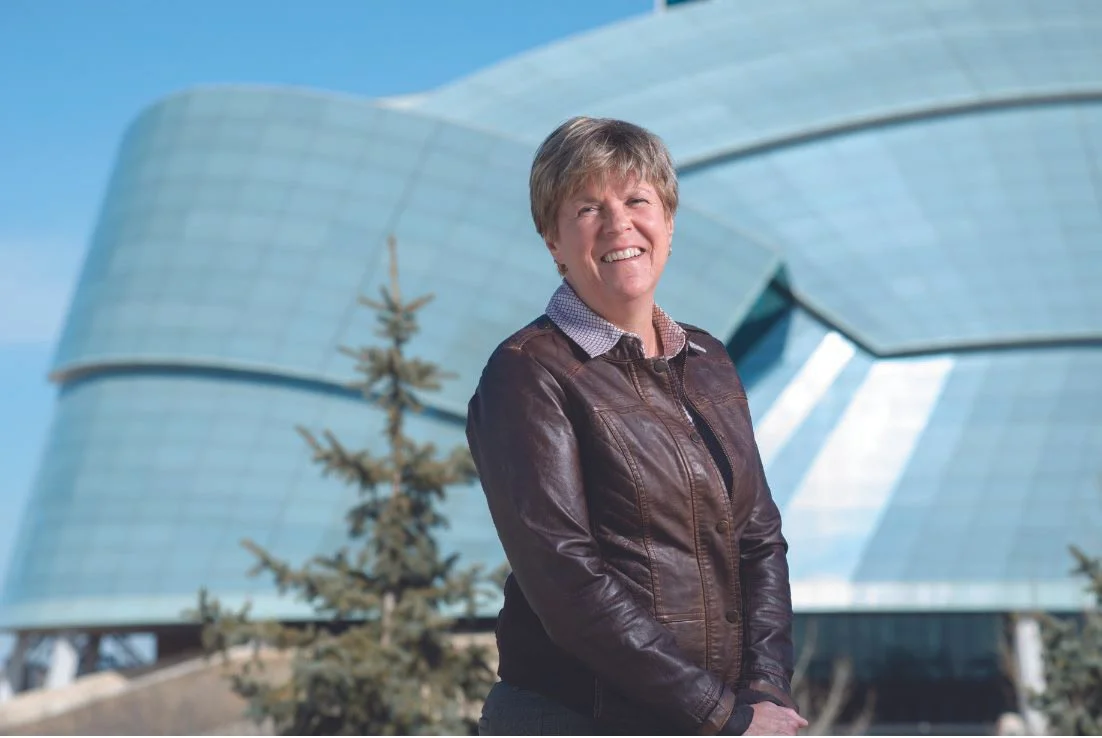
by Ryan Hughes 🇨🇦, Chief Strategy Officer and Head of Client Success, Humanity
-
People never encounter a brand with a blank mind. They bring a lifetime of experiences, associations, beliefs and motivations that shape what a brand means to them. Long before we consciously evaluate a brand, our minds are already at work, filtering what we see and hear through everything we know, feel and believe.
Yet traditional approaches to branding often begin with the organization: what makes us different, what do we stand for, and what do we want people to think about us? Far less attention is given to what audiences already think, and how those existing mental models influence their perceptions, expectations and behaviours.
Drawing on behavioural science and the psychology of human decision-making, Ryan Hughes, Chief Strategy Officer at Humanity, will explore the powerful forces operating beneath our conscious relationships with brands. From the influence of childhood experiences and cultural associations to the role of identity, belonging and personal motivations, he'll examine why the same brand can mean fundamentally different things to different people.
Through examples and practical insights, Ryan will challenge conventional approaches to brand building and introduce a more human-centred perspective: one that begins not with what organizations want to communicate, but with understanding the people they're trying to reach.
Because the most powerful brands don't simply shape what people think. They connect with what's already there — before we think.
Reimagining a Museum: The Challenge of Branding Human Rights
by Riva Harrison 🇨🇦, Vice-President, Education and Public Affairs, Canadian Museum for Human Rights, and Ryan Hughes 🇨🇦, Chief Strategy Officer and Head of Client Success, Humanity
-
The Canadian Museum for Human Rights holds a unique place in the cultural world. As the first museum dedicated entirely to human rights, it was created to inspire people to reflect on the past, understand the present, and help build a better future. But that ambition raised an unusual challenge: how do you brand a museum devoted to an idea as vast and complex as human rights?
When Humanity partnered with the museum to reposition its brand, the team quickly realized there was no playbook for communicating human rights to a broad public audience. The answer would not come from traditional branding alone — it would come from understanding how people actually think about the issue.
Through a national behavioural research program — including psychoanalytic “Mind Model Labs,” population-scale surveys, and semiotic analysis — the team explored how Canadians process human rights. What emerged was a powerful insight: people move through a psychological journey from sympathy to empathy to empowerment before they are ready to engage or act. This insight reshaped the museum’s entire communication strategy.
Rather than presenting human rights as a legal framework or abstract concept, the museum reframed its role as helping people move along that human journey — building empathy first and then empowering action.
The result was a new brand platform rooted in a simple but powerful idea: human rights are not just principles to believe in — they are actions we take together.
In this talk, Riva Harrison and Ryan Hughes will share the research, strategy, and creative thinking behind the transformation — and what cultural institutions can learn about building trust by deeply understanding their audiences.
SESSION 2
ATELIER 1
Bridging Worlds through Youth Engagement
Happy Place: Building Trust and Belonging Through Wellbeing at the Fitzwilliam Museum
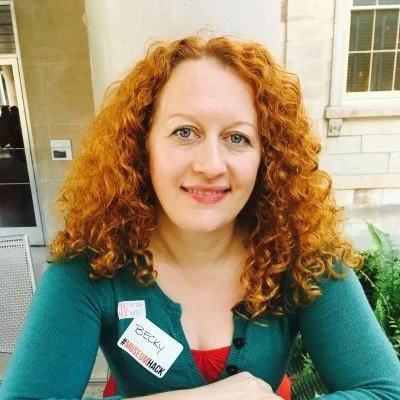
by Becky Jefcoate 🇬🇧, Practitioner Research Associate, Fitzwilliam Museum
-
What if a museum could build trust not only through knowledge, but through care? Happy Place is an immersive wellbeing experiment co-created with young adults at the Fitzwilliam Museum. In a time of stress, speed, and social disconnection, the project asked: can a museum become a refuge—a place to spark joy, calm, and connection through sensory design, play, and co-creation?
Prompted by rising mental health concerns among 16–25-year-olds, Happy Place sought to rebuild young people’s trust in cultural spaces by inviting them to co-create one. Across nine months of listening, dialogue, and design, we worked with 49 young adults as Creative Producers, exploring what wellbeing truly means for their generation—and how a museum might respond with empathy and authenticity. Together, we transformed a gallery into an overgrown “garden of the imagination,” complete with soothing soundscapes, scent, hammocks, origami, and cardboard trees—an experiment in slowing down and belonging.
Visitors described the space as joyful, peaceful, and emotionally safe. Every participant reported that it lifted their mood and deepened their sense of connection—to themselves, others, and the museum. Happy Place demonstrated how cultural institutions can act as bridges between generations and communities—where creativity, care, and co-creation help to rebuild trust and nurture resilience.
This session offers honest reflections, hopeful provocations, and practical takeaways on how museums can move from audience engagement to genuine relationship-building—creating “soft spaces” of trust, empathy, and wellbeing in a world that needs them more than ever.
This process transformed not only a space, but relationships. By listening deeply and sharing creative agency, the museum built new trust with a generation often disconnected from cultural institutions. The result was profound: 100% of visitors reported improved mood and greater feelings of calm and community.
Happy Place shows how rethinking values and purpose can help museums bridge worlds—between generations, disciplines, and emotional realities. It challenges us to lead with empathy, design for care, and rebuild trust through authentic connection.
Young Museum Goers, Young Museum Doers: How Students Become Active Contributors to Museum Life
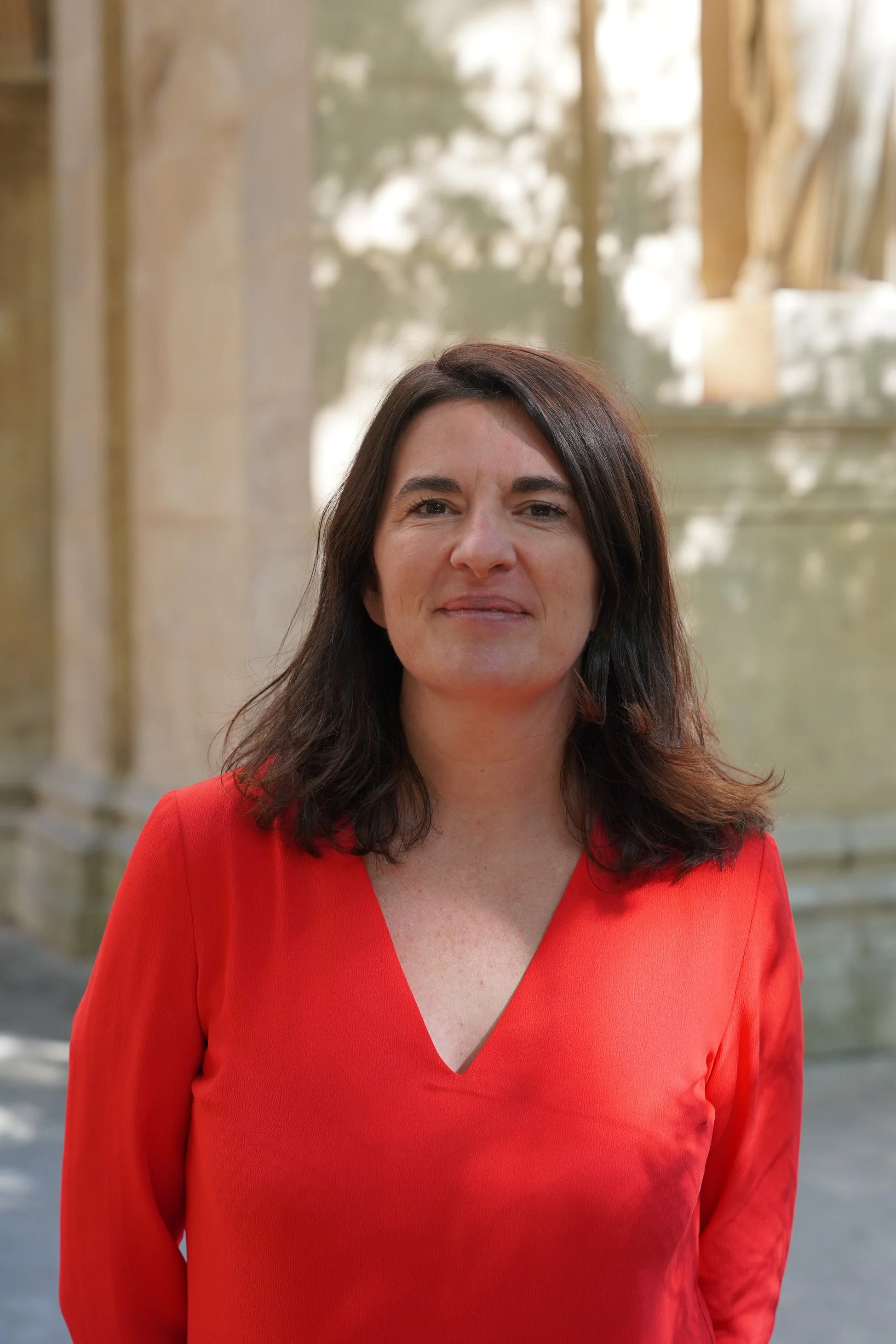
by Guillemette Naessens 🇫🇷, Director of Communications, Museum of Fine Arts Lyon
-
For more than 10 years, the Museum of Fine Arts of Lyon has developed ambitious programs and events for students and scholars. Students — future museum professionals and beyond: engineers, teachers, political science specialists, and future medical professionals — are not only welcomed and trained at the museum, but are also given the keys to the institution during spectacular events throughout the year.
From security to communication, engagement, and entertainment, the museum becomes theirs.
The result of this ongoing commitment to young audiences: 30% of our individual visitors are under 26, and the institution is recognized as a vibrant museum, open to all generations.

SESSION 3
ATELIER 2
Building Trust through Values-Driven Fundraising
From Rocks to Relevance – How Trust in Science Begins at the Museum
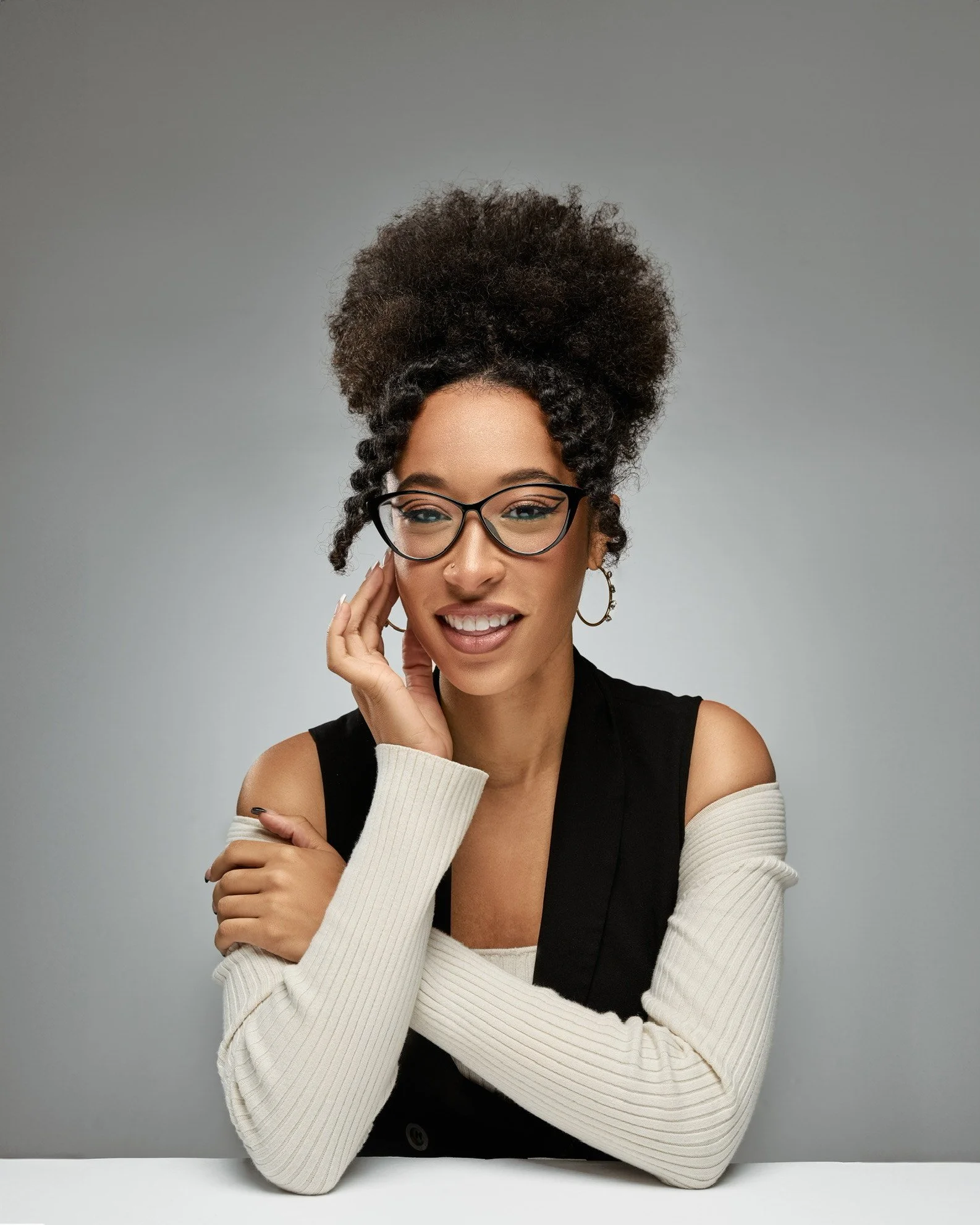
by Melissa Santee 🇺🇸, Chief Philanthropy Officer, Cleveland Museum of Natural History
-
When COVID accelerated the Cleveland Museum of Natural History's building transformation by two years, the result was an award-winning space that draws hundreds of thousands of visitors annually — but the wonder on display only exists because of continued, deliberate investment. This session argues that philanthropy is not just what funds imagination; it's what earns institutional trust.
Drawing on the Museum's current $50M "In Service to Science" campaign and the realities of fundraising in a mid-tier market with seven competing capital campaigns within two miles, the presentation unpacks four ways philanthropy fuels imagination: expanding access, supporting community-centered programming, positioning museums as civic anchors, and strengthening long-term institutional sustainability.
At the center is the concept of "relevance capital" — the credibility an institution earns when its fundraising and community engagement genuinely align with mission, rather than merely performing it. In a moment when funders and audiences can increasingly tell authentic mission alignment from performative gestures, this session offers museum and arts leaders a framework for making the case that funding isn't a budget line — it's an investment in imagination itself. Attendees will leave with language and examples to reframe donor conversations, and a challenge: to examine where their own institution's funding truly aligns with mission, and where it doesn't yet.
Funding the Vision: Developing Finance for Art at the Intersection of Culture and Community
by Cat Burton 🇺🇸, Creative Director, Create Art Together, Creative Producer, Children's Museum of Pittsburgh
-
Cat Burton is a creative producer whose practice spans two interconnected worlds. As Creative Producer at the Children's Museum of Pittsburgh and founder of Create Art Together, she has spent years building relationships with artists, cultural institutions, and community organizations across Pittsburgh and beyond — including Pittsburgh International Airport, Pittsburgh Ballet Theatre, the Pittsburgh Downtown Partnership, and others.
These two roles have run adjacent to one another, each informing and expanding the other. The network of trust and collaboration built across both efforts forms the foundation of how her work is made and funded. This case study explores how this relational infrastructure translates into a financing strategy — one built on grants, sponsorships, institutional partnerships, and creative co-production — and what other arts professionals can learn from it.
SESSION 4
ATELIER 3
Building Trust in Peripheral Contexts
Culture in Motion: How Viscosa Cultural Factory Fosters Connection and Trust on an Estonian Island
by Ülle Puustusmaa 🇪🇪, Senior Consultant, Strategic and Service Design Lead, Project Manager, Viscosa Cultural Factory
-
This presentation explores how arts and culture organizations can operate as spaces of connection and social meaning in peripheral contexts, using the Viscosa Cultural Factory on the island of Hiiumaa, Estonia, as a distinctive case study.
Viscosa Cultural Factory is located on a small Baltic island with fewer than 10,000 inhabitants, limited year-round access to diverse cultural experiences, and strong seasonal fluctuations driven by tourism. Emerging from a formerly closed industrial complex, the transformation of Viscosa into an open cultural and creative industries environment provides an opportunity to examine how mission-driven cultural institutions can take root in places where cultural infrastructure has historically been scarce and trust in closed communities towards external initiatives is fragile.
The first focus, Mission & Universal Values, addresses how Viscosa positions art and culture as a shared space of connection. The organization’s mission emphazises participation, openness and dialogue, using culture as a bridge between local communities, visiting artists and wider cultural networks. In this context, building trust becomes a foundational cultural practice rather than a secondary outcome.
The second focus, Engagement & Social Impact, examines how geo-location and an exceptionally diverse audience mix—local residents, schoolchildren, artists, tourists, cultural professionals, and public and philanthropic partners—actively shape the institution’s voice and communication strategies. Viscosa’s institutional narrative is balancing accessibility and artistic ambition, local identity and international exchange, community needs and cultural leadership.
By analyzing how remoteness functions as both a constraint and a strategic advantage, the session demonstrates how cultural organizations can maintain balance between cultural, social, economic and tourism logics without losing symbolic capital. The Viscosa case offers transferable insights for arts organizations seeking sustainable, inclusive and socially grounded models beyond metropolitan centers.
Speaking Up at the Edge: How a Remote Arts Festival Builds Connection through Community Engagement
by Louisa Gordon 🇦🇺, Chief Executive Officer, The Unconformity
-
The Unconformity is a biennial contemporary arts festival based in Queenstown as well as year-round creative explorations on the remote west coast of Lutruwita/Tasmania. Shaped by a post-mining landscape, the organisation works at the intersection of art, community and place.
Across 14 years and seven festivals under the same leadership, the organisation built a strong foundation based on experimentation, deep listening and responsiveness to place. This approach extended to communication. In a crowded media landscape, The Unconformity chose to speak sparingly - only when there was something meaningful to say. This created a clear and distinctive presence, but it also assumed a level of familiarity.
As the organisation grew, this became a challenge. New audiences, local communities and stakeholders didn’t always have clear or consistent ways to connect with the work. In 2022 the organisation invested further in its digital capability, through the Creative Australia Digital Strategist-in-Residence program. A full audit of the organisation's digital capability led to a new digital strategy and communications plan. This laid important groundwork for future online programs, but the overall approach remained relatively restrained.
In 2024, new leadership stepped in and delivered the 2025 festival during a period of organisational change. Communication needed to shift from being occasional and tightly controlled to something more consistent, open and engaged. The focus moved to showing up regularly, building relationships and making it easier for people to understand, question and take part in the work.
This case study looks at how that shift was put into practice. Monthly Open Halls created a regular space for conversation, where community members could meet the team, ask questions and share ideas. Collaborations with local songwriters and students opened up new ways for people to get involved and brought the organisation into different creative networks. These face-to-face moments were supported by a more active digital approach, helping maintain visibility and connection between events.
Together, these changes made communication a central part of how the organisation works - not just something that supports the program, but something that builds trust, relationships and shared ownership. This was especially important during leadership transition, when clarity and visibility mattered most.
Early signs, including increased participation, broader engagement and community feedback, suggest a stronger and more connected relationship with audiences.
This session shares what was learned from the 2025 festival and explorations. It shows that in regional contexts, communication needs to be consistent, visible and ongoing. It’s not enough to speak well - you also need to be visible. The experience of The Unconformity demonstrates that real impact comes from staying connected to place and people, especially during times of change.
Plenary Session
5:10 PM
CANADIAN MUSEUM OF HISTORY - THEATRE
Pending Questions
Conference Co-chairs Corinne Estrada 🇫🇷, Founder, Communicating the Arts and Corey Timpson 🇨🇦, Principal, Prime Access Consulting Inc.
Performance
5:30 PM – 6:00 PM
PLENARY SESSION IN THE THEATRE
Cloud Bodies
by Allison Moore 🇨🇦, New Media Artist and Filmmaker, and Lucy Fandel 🇨🇦, Dancer
-
Allison Moore presents CLOUD BODIES, an immersive media performance that merges contemporary dance, real-time technologies, and digitally reconstructed landscapes. Originally developed in partnership with Montreal’s Society for Arts and Technology and presented in the Satosphere, the work has also been featured at international fulldome festivals. Moore will be introduced by the MUTEK Montreal Festival, a longstanding supporter in the project’s development.
CLOUD BODIES combines choreography with generative visual environments through live volumetric capture. During the performance, dancer Lucy Fandel is tracked in real time by sensors that record her movement as geometric metadata. These data streams are processed live and reconstructed within an immersive environment projected across the dome. The dancer’s body becomes a shifting terrain, merging with vast point-cloud landscapes derived from photogrammetric scans of the forests where Moore grew up on Vancouver Island. As bodies and landscapes waltz across the dome, the topography of human movement morphs with the contours of the natural world, accompanied by an original score by Arthur Desmarteaux.
In this talk, Moore will introduce the artistic concept and technical framework behind the performance, demonstrating how live volumetric capture can be used to create responsive, generative environments for immersive performance. She will also reflect on the collaborative development process, including residency research at the Society for Arts and Technology and partnerships with the MUTEK Montreal Festival.
By playing with scale, perspective, and embodiment, CLOUD BODIES proposes the body as landscape—an interface where physical movement, environmental memory, and virtual space converge. The project invites audiences to reconsider how human presence can inhabit and transform digital worlds, suggesting new possibilities for performance in immersive media environments.
The Cloud Bodies project benefited from the artwork creation program at the Society for Arts and Technology (SAT) and was performed at MUTEK25 in Montreal.

Generously supported by Baldwin Studio
END OF DAY 1 AT 6:00 PM
Evening
6:30 PM – 8:30 PM
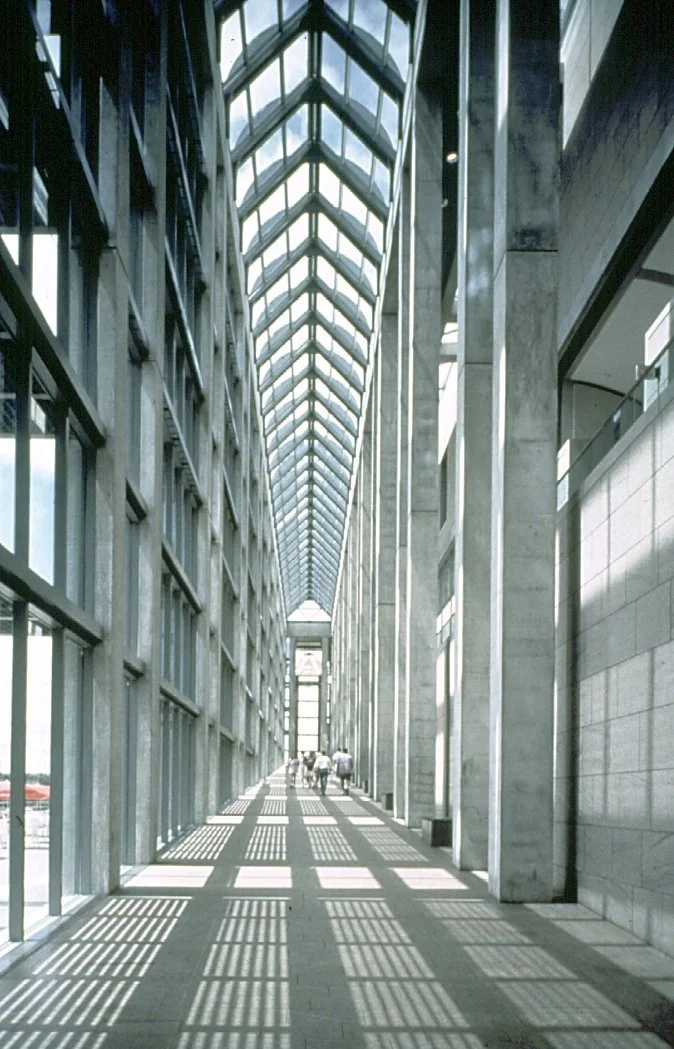
Cocktail Reception at the National Gallery of Canada
The gallery building itself is a work of art. Designed by renowned architect Moshe Safdie, the impressive modern glass and granite structure blends harmoniously into the cityscape. The evening includes guided tours of the permanent collection and a cocktail.
Opening by the French Ambassador to Canada, Madame Hélène Farnaud-Defromont.
A drink is kindly offered by the Institut Français.
Address: 380 Sussex Drive, Ottawa, Ontario, K1N 9N4
Canadian Museum of History
100 Laurier Street, Gatineau, Quebec, K1A 0M8