
Day 4
Fri 16 October
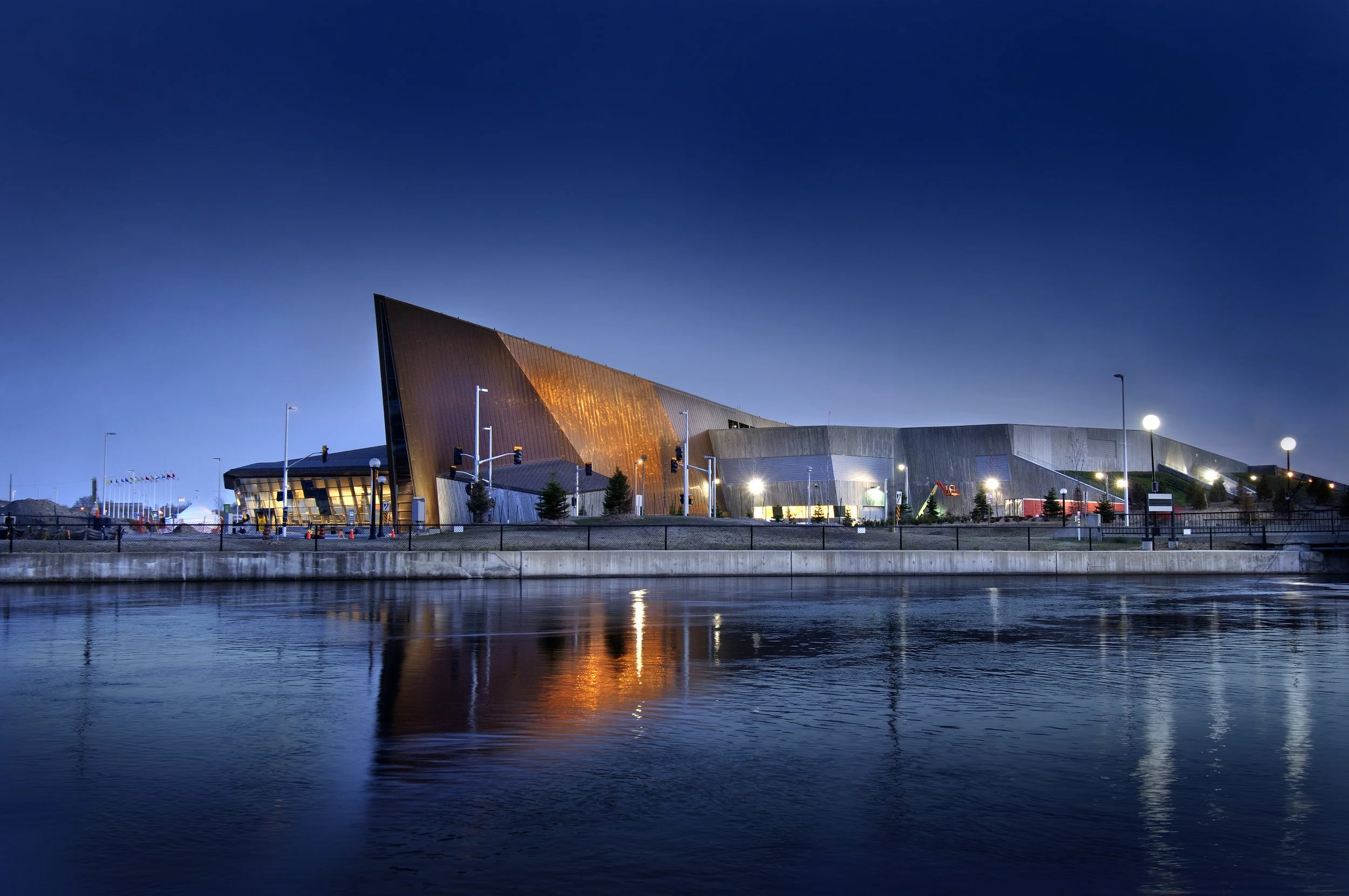
© Canadian War Museum, photo Harry Foster
CANADIAN WAR MUSEUM
The Canadian War Museum is a national museum located on the banks of the Ottawa River in Ottawa, dedicated to preserving and sharing the stories of Canada’s military history.
Address: 1 Vimy Place, Ottawa, Ontario, K1A 0M8
Program subject to change
COFFEE
8:30 AM - 9:00 AM
Tea and Coffee on arrival
Morning • Digital Transformation
PLENARY SESSIONS AT THE CANADIAN WAR MUSEUM
The program is subject to change

FROM 9:00 AM
BARNEY-DANSON THEATRE
Welcome to Day 4
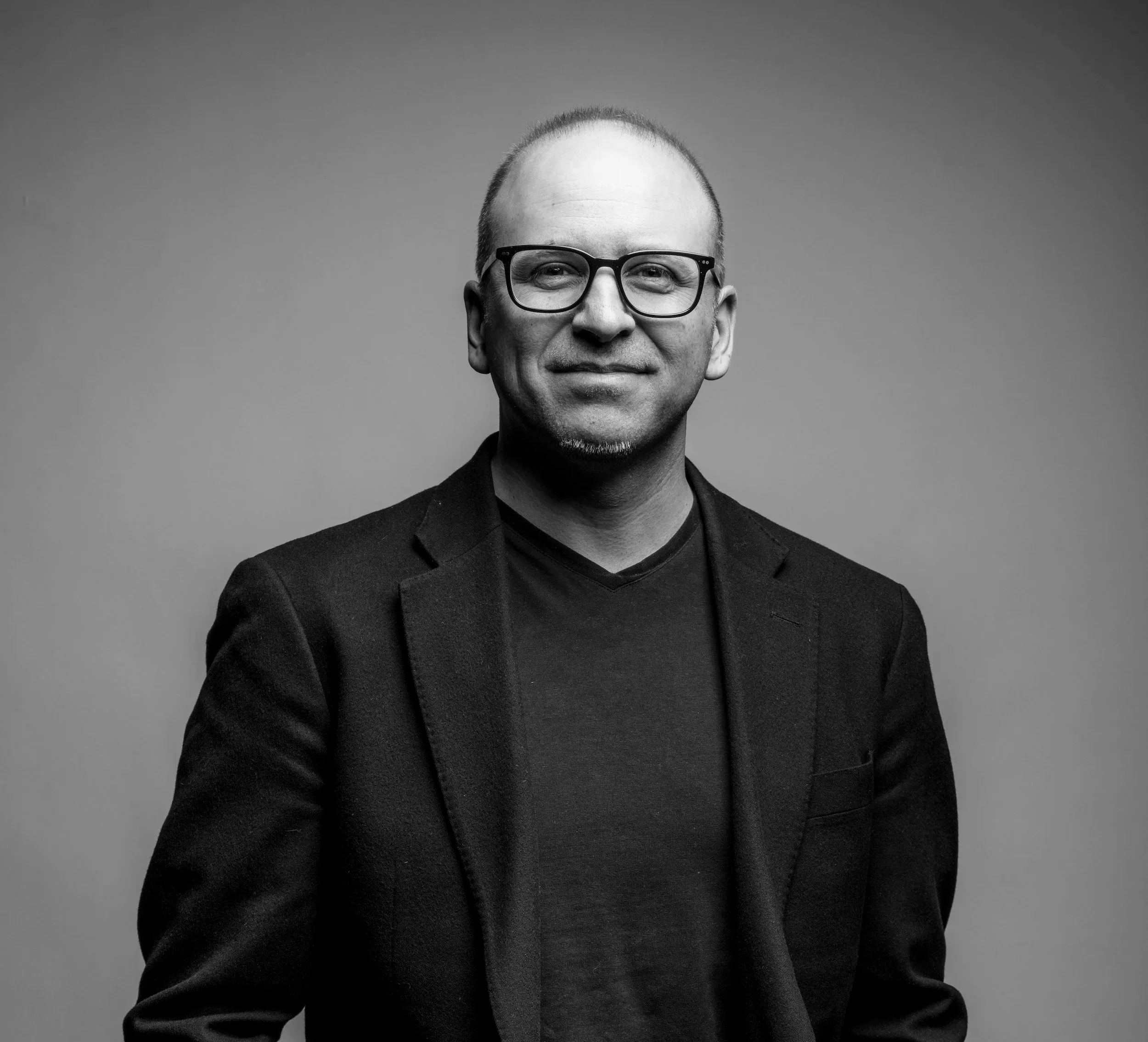
Conference Co-chairs Corinne Estrada 🇫🇷, Founder, Communicating the Arts and Corey Timpson 🇨🇦, Principal, Prime Access Consulting Inc
KEYNOTE - BARNEY DANSON THEATRE
More Ways In: AI in Service of Art and Visitors
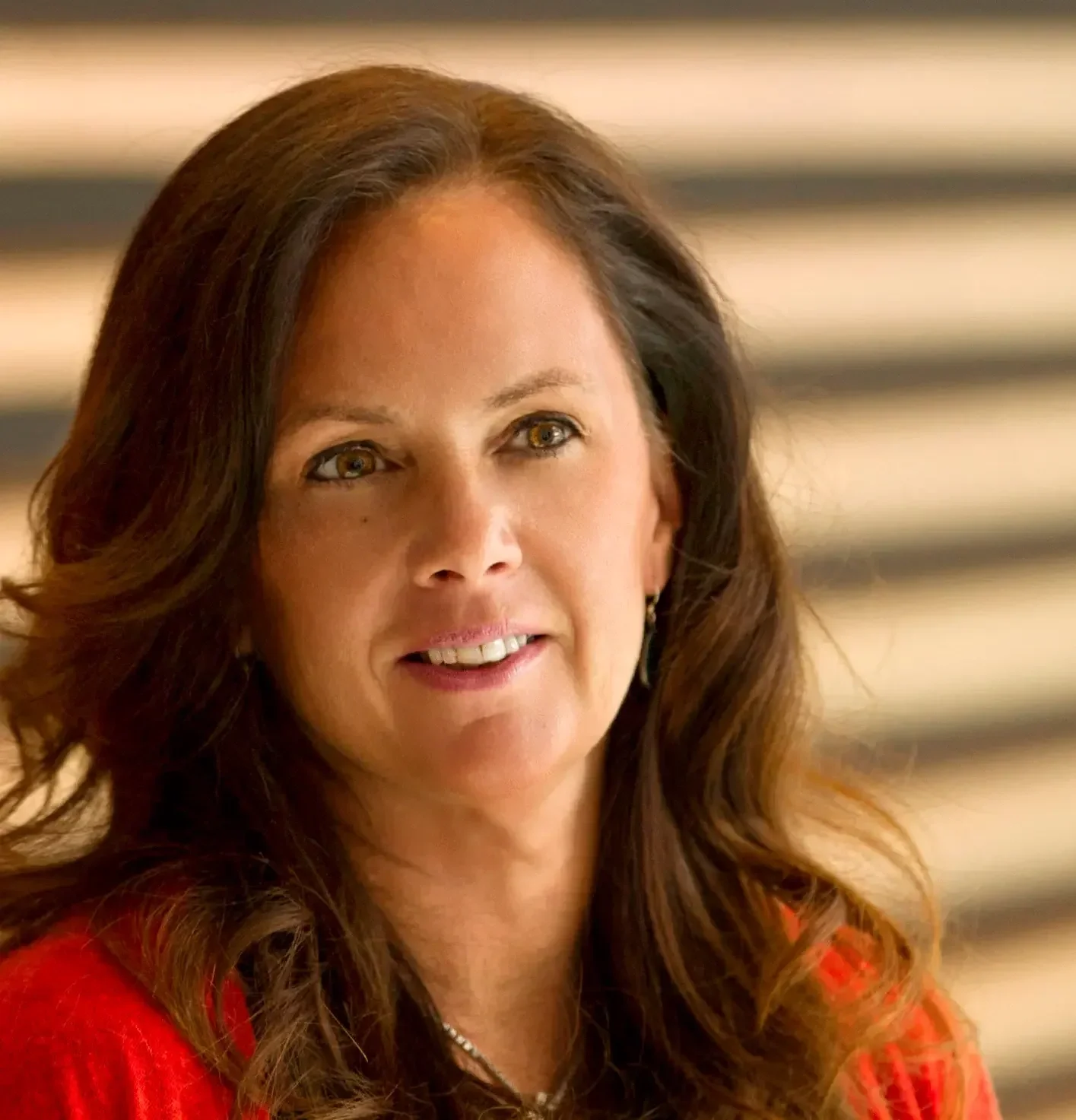
by Jane Alexander 🇺🇸, Chief Digital Information Officer, Cleveland Museum of Art
-
The Cleveland Museum of Art has been exploring artificial intelligence since 2012, long before generative AI became part of the everyday conversation. Yet technology has never been the goal. CMA begins with the art, the visitor, and the problem it is trying to solve: How can we remove intimidation, expand access, encourage closer looking, and help every visitor form a meaningful connection with art?
This talk traces CMA’s evolution from early facial-matching and computer-vision experiences to ArtLens Reimagined, a gallery featuring 21 interactive experiences that invite visitors to investigate, relate to, and create with the collection. Seven experiences thoughtfully integrate AI, including Talk to the Art, Art Morph, Strike a Pose, Community Mural, and Infinite Landscape. Beyond the gallery, AI powers visual discovery on Collection Online, artwork recognition in the ArtLens App, and visual descriptions for every object in the permanent collection, substantially increasing access for people who are blind or have low vision.
The presentation will also address the responsibility that accompanies innovation. CMA’s approach prioritizes human expertise, transparency, artists’ rights, privacy, carefully controlled data, and locally operated models. The goal is not to place technology between visitors and art, but to provide more people with a meaningful way in.
KEYNOTE
Bridging the Gap: Audience Discovery, Trust, and First-Party Data in the Age of AI
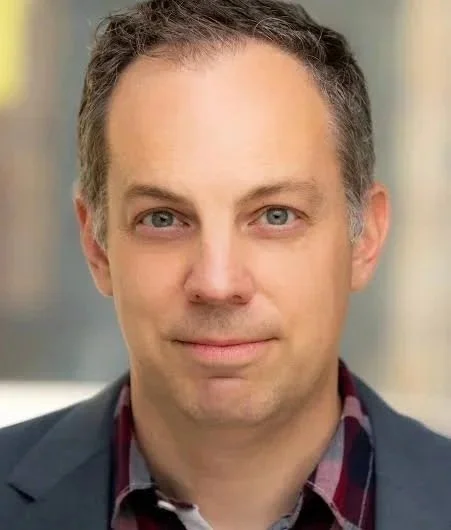
by Kevin Bradley 🇺🇸, Senior Vice President of Arts and Culture, AKA Agency
-
Cultural discovery is being mediated by AI faster than most institutions can track. Audiences who once arrived through a search result are increasingly meeting cultural organisations through summaries written by systems they do not yet fully trust. Institutional visibility is rising, but the click-throughs and the direct relationships that have always sustained the sector are harder to build and harder to measure.
This session is built on audience research with thousands of respondents across AKA's UK and US panels, with fresh waves of fieldwork running into the weeks before the conference. The data tracks how audiences are using AI for cultural decisions, what they trust, what they avoid, and how those answers are shifting over time. Audiences are curious about AI and reaching for it for convenience, but they still anchor their decisions in people and institutions they already know.
For cultural leaders, the practical question is shifting. It is less about how to win AI search and more about how to maintain a direct relationship with an audience that increasingly encounters you through intermediaries you do not control. As the discovery layer becomes more automated, the bridge between an institution and its audience has to be one the institution itself owns. The session looks at what our audience research tells us about changing customer behaviour and what that means for our industry.
Attendees will leave with a clear read on what is shifting, what is steady, and where to focus institutional effort over the next year.
COFFEE
10:15 AM - 10:45 AM
Tea and Coffee break
LEARNING FROM PRACTICE: CONCURRENT CASE STUDY SESSIONS
Each session is 1 hour long, featuring 2 presentations and live Q&A.
10:45 AM - 11:45 AM
SESSION 1
BARNEY-DANSON THEATRE
Building Trust through Data and Storytelling
Rooted and Resonant: Building Trust Through Nature-Based Art and Digital Storytelling
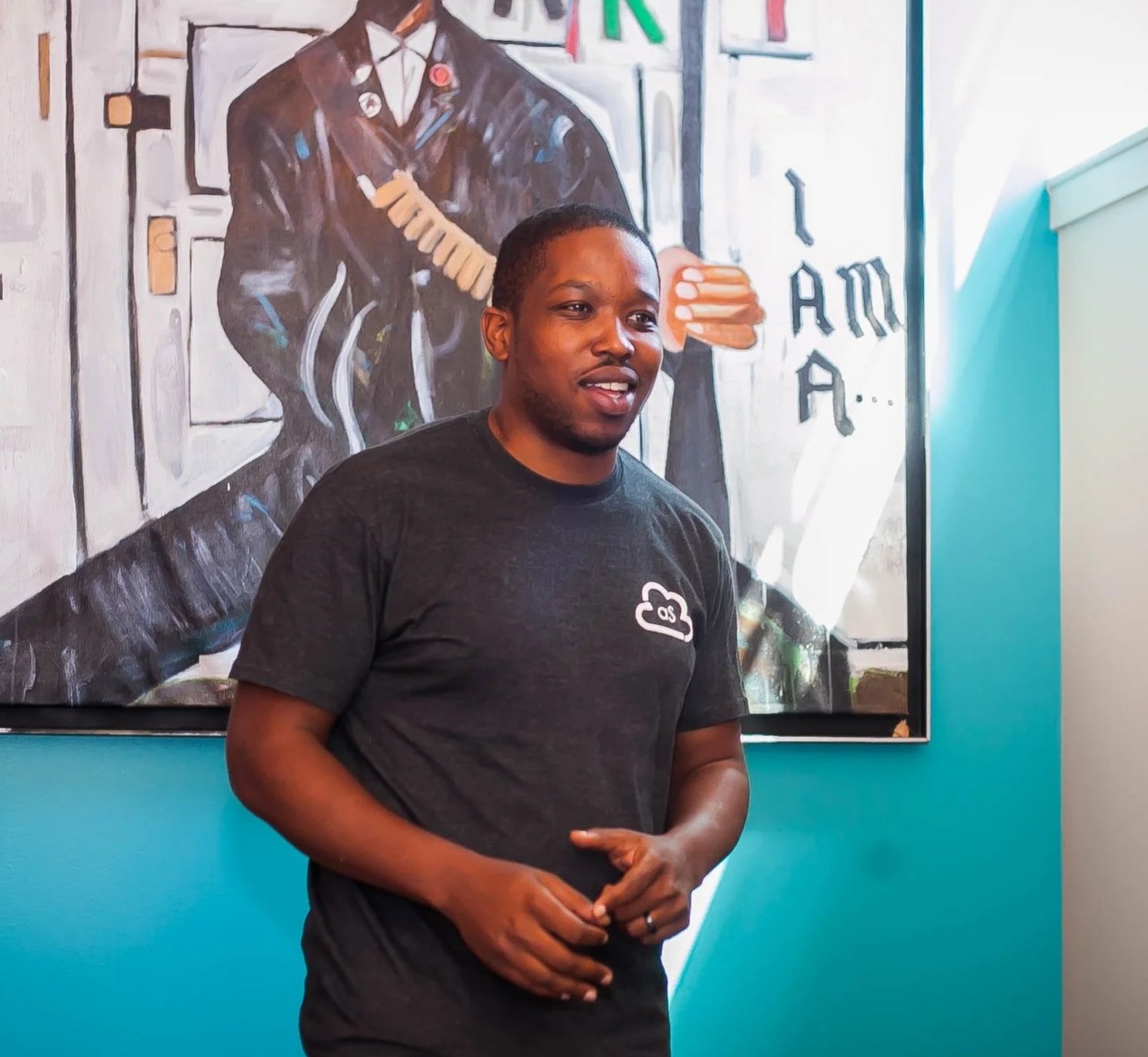
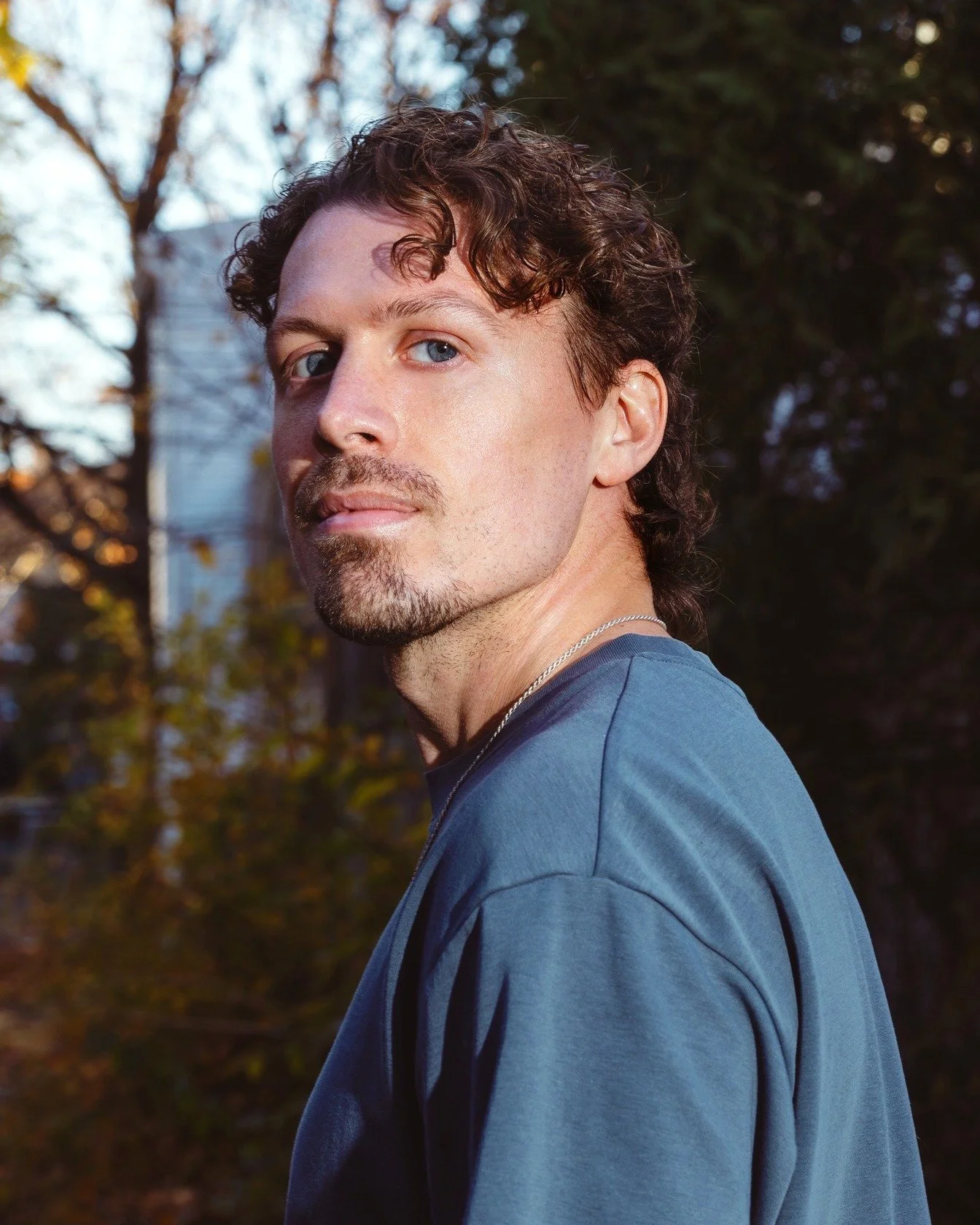
by Joe Luckett 🇺🇸, Marketing Director, Art Farm at Serenbe
-
How do rural arts organizations build trust across both hyperlocal and global audiences—especially in an age of digital noise and cultural fragmentation? In this presentation, Joe Luckett shares how Art Farm leverages nature, digital storytelling, and live performance to foster meaningful connection.
Rather than using technology as a distraction, Art Farm uses digital tools to guide people back to nature—amplifying the voices of artists, curating immersive events, and fostering dialogue that bridges place, culture, and community. From seasonal film showcase weekends and multi-genre performing arts projects to year-round social content, email marketing, and virtual access strategies, Joe unpacks how his team crafts compelling narratives that resonate both locally and abroad.
This session explores the unique tensions of marketing a rural performing arts venue: low walkability, limited transit, inconsistent Wi-Fi, and seasonal attention spans. Joe will offer honest insights into overcoming these hurdles—using intentional partnerships, community trust-building, and an adaptive content strategy. He will also spotlight specific performing arts initiatives that embody this approach, including immersive site-specific productions and international artist residencies in Serenbe’s forested setting.
Attendees will leave with a practical framework for integrating place-based storytelling into their own marketing, regardless of geography or size. Joe’s approach emphasizes that rural does not mean remote—and that small, intentional organizations can serve as models for how to connect authentically, creatively, and sustainably in a changing world.
The Art of Connection: Using Data and AI to Bring People Closer to Culture
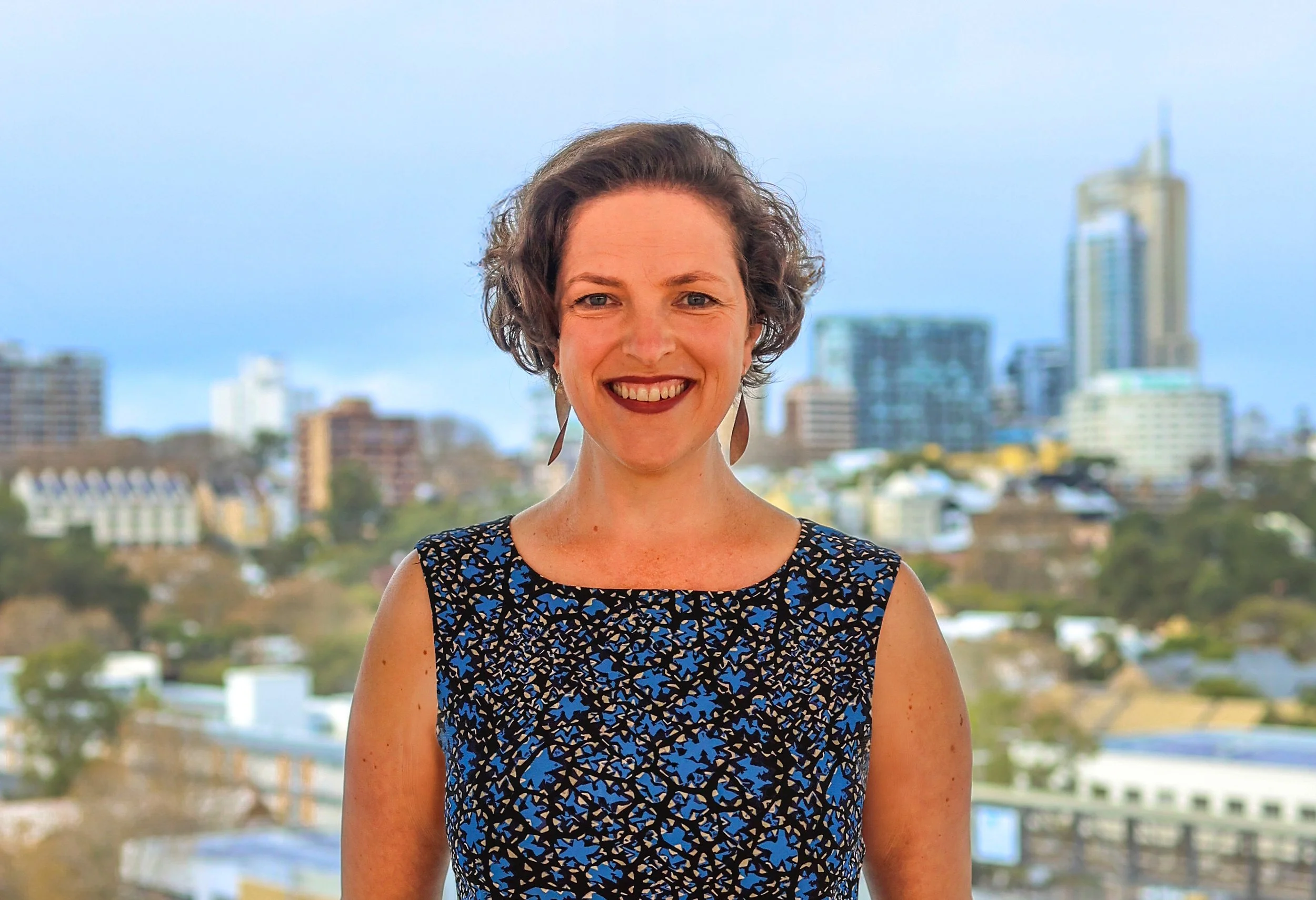
by Yvette Pratt 🇦🇺, Executive Director, Art Gallery Society of New South Wales
-
The purpose of our work is simple but powerful: to show how data and AI can deepen human connection. At the Art Gallery Society of New South Wales, we believe that technology isn’t just about efficiency: it can help people feel seen, valued, and part of something bigger.
Over the past two years, this belief has guided a transformational journey that has reshaped how we understand and engage with our 38,000 Members. What began as an attempt to untangle messy, fragmented data systems has grown into something far larger: a new, human-centered approach to building community.
For too long, our Members’ stories were scattered across different platforms — ticketing, CRM, booking systems — making it impossible to truly understand who they were or how they engaged with the Art Gallery of New South Wales. Instead of replacing those systems, we brought in a data analyst and built a robust Power BI ecosystem that finally allowed us to see our Members clearly.
And the impact was profound.
We could suddenly map behaviors, attendance patterns, interests, and preferences, and we changed the way we communicated because of it. The results spoke for themselves: in 2024, membership grew by 16% to 38,000 and retention rose from 69% to 78%. We no longer look at “categories” of Members. We speak to people — real people whose engagement we now understand deeply.
This transformation naturally led us to the next step, creating the digital Members Hub, a world-first initiative designed to build trust, foster loyalty, and bring different communities together in one personalized space.
The Members Hub is built around three key ideas:
Consistency and clarity: A reliable and trustworthy digital home where Members can easily find events, benefits, stories, and information.
Personalization: Tailored content that reflects what Members love — artists, programs, and genres — so each person feels recognized, not reduced to a number.
Connection: A place where long-term supporters, our 6,000 young Members under the age of 25, Australian artists, regional audiences, and international art lovers can all coexist and meet, even if they never cross paths in person.
When the Members Hub launches in July 2026, it will demonstrate what we now know to be true: data, when used with care and creativity, can be a powerful connector.
It can bring people closer to art, to each other, and to the Art Gallery itself. It can transform a large membership base into a vibrant, interconnected community.
SESSION 3
ATELIER B
Bridging Worlds through Digital Transformations
Pillars, Partners, People: Driving Digital Transformations in Museums
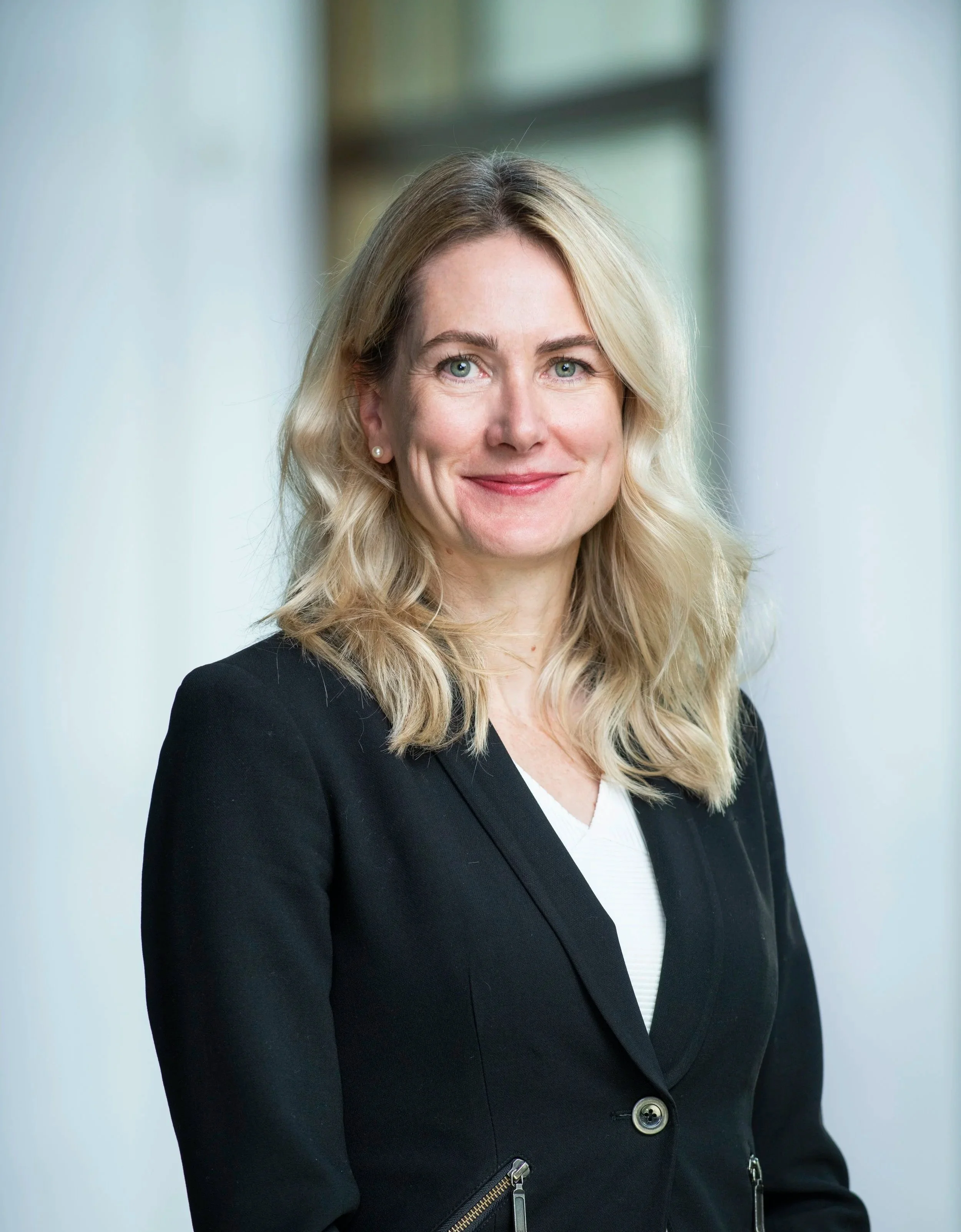
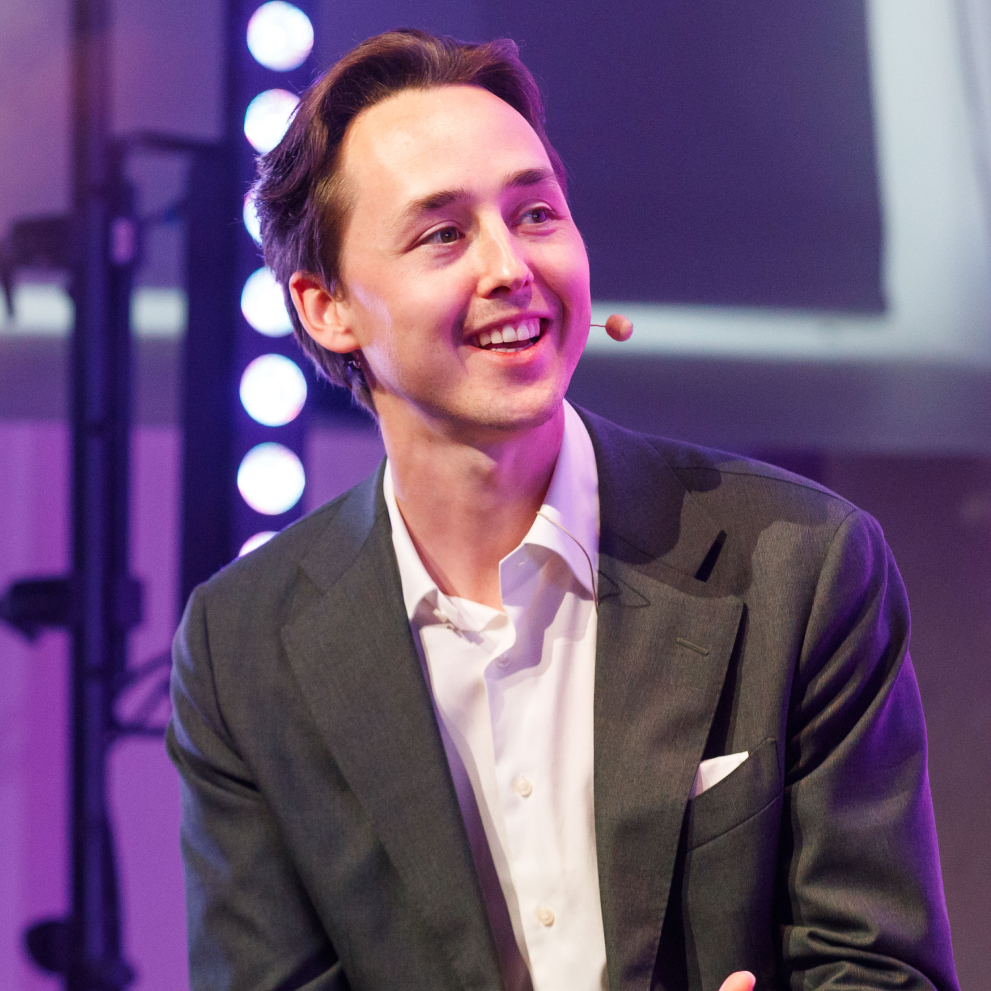
by Robyn Jeffrey 🇨🇦, Director of Digital Transformation, Engagement and Brand, Canadian Museum of History and Canadian War Museum
-
Digital transformation in museums is no longer optional—it is fundamental to expanding access, enhancing visitor experiences, and ensuring cultural relevance. Yet despite near-universal consensus about the importance of digital innovation, the way forward is not always clear. Museums cannot go it alone in a fast-paced, rapidly changing world. So how do we as museum and arts sector leaders navigate uncertainty and establish a clear vision? How do we build meaningful partnerships—both inside and outside our sector—to accelerate digital transformation and remain relevant to our audiences? And how do we organize our institutions and teams to support that vision? In short: how do we bring clarity to the chaos?
This presentation will share the pillars established by the Canadian Museum of History and Canadian War Museum to support its digital transformation, unpack our approach to partnership, and discuss how the Museum has organized its teams to work horizontally across the institution. The framework will be illustrated through concrete examples, demonstrating how the right pillars, partnerships, and people alignment can help drive successful digital transformation. And because digital change is constant, we'll also explore the challenges we’ve overcome—and those we’re still working through—as we continue on this journey.
Light Play: Building Trust Before Building Technology
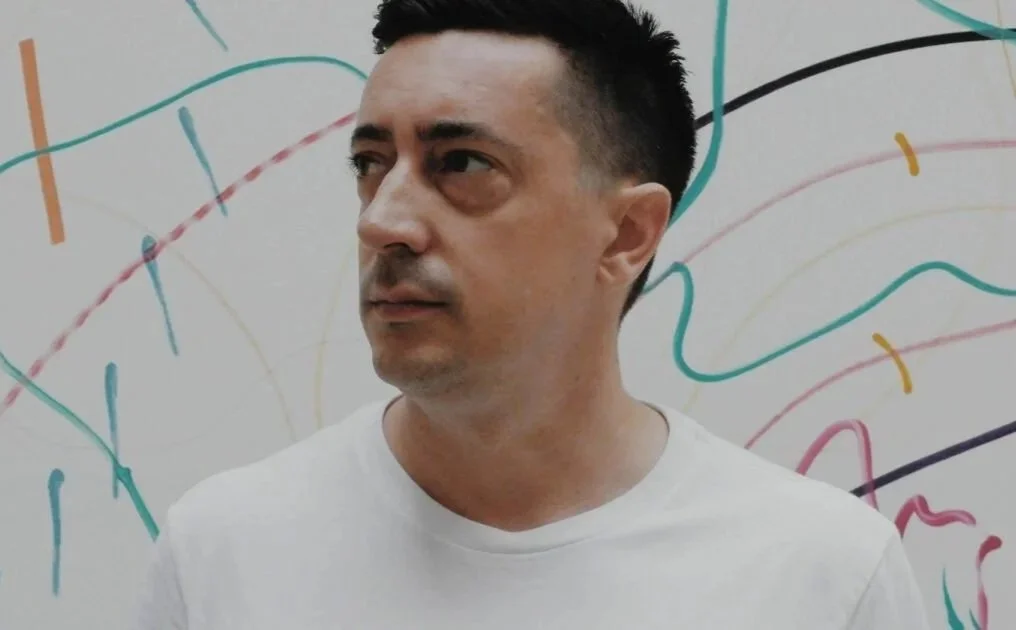
by Samuel Vignola 🇨🇦, Go-To-Market Specialist, Society for Arts and Technology (Montreal, Canada)
-
In a park beside its Montréal home, the Society for Arts and Technology (SAT) asked a simple question: Can play create connection between people who rarely share the same space? Place de la Paix is a crossroads where neighbours, workers, visitors and people experiencing homelessness intersect. Rather than designing an installation for this community, SAT chose to begin by listening.
The result is Light Play (Jeu(x) de lumières), a series of cooperative games created with game designer Marie LeBlanc Flanagan and Dragon Fly, a social innovation agency working alongside the park’s unhoused community. Before building a prototype, the team asked what the space needed, what might invite people to participate, and what might keep them away. Their input shaped the installation, the games and the project’s guiding principles: cooperation over competition, accessibility over spectacle, and an open invitation to anyone passing through.
This session traces the project from its first conversations to its installation, sharing our learnings and challenges. It explores the tensions of creating in a shared public space, the time required to build trust, and the difference between consulting a community and genuinely creating with it.
For museums and cultural organizations, Light Play offers a transferable lesson: creative technology can open doors to engagement, but trust is what invites people to walk through them. When institutions desire to involve visitors, interactive experiences can become more than just an attraction. They can become shared places. Participants will leave with practical insights into working with community partners, engaging publics who may not see themselves reflected in cultural spaces, and using arts and technology to build bridges rather than simply showcase innovation.

SESSION 2
ATELIER C
Bridging Worlds through Immersive Experiences
Bridging Worlds through Immersive Experiences: the Future of Digital Visitor Engagement
by Martijn van Schaik 🇳🇱, Director, Broken Egg, and Alexis Powilewicz 🇫🇷, President and CEO, Paris Aquarium
-
At Broken Egg, we specialise in Digital Visitor Engagement, whether that happens online or physically at a location. We work with cultural institutions such as the Aquarium of Paris, Crystal Bridges and the Belvedere Museum to explore how technology can make visitor experiences more interactive, relevant and memorable.
Over the past 5 years, the Aquarium of Paris and Broken Egg have worked together on roughly 6 different projects and experiments, ranging from immersive digital worlds and Roblox to augmented reality, including one of the first institutional experiments with Google Maps AR.
The approach behind these projects has remained consistent: start with education, workshops and experimentation, test ideas with real audiences, learn from what works and what does not, and only then decide what should scale. Interaction is always at the centre, with the aim of connecting digital experiences to the physical visitor journey rather than treating them as separate worlds.
In this session, Alexis Powilewicz and Martijn van Schaik will turn that shared experience into a conversation rather than a traditional presentation. Together, they will look back at the projects that succeeded, the ones that did not go as expected, the challenges encountered along the way, and the discussions that happen behind the scenes when an institution decides to experiment with unfamiliar technologies.
The conversation will also explore how digital experiences can help cultural institutions reach younger audiences without excluding existing visitors. From gaming and Roblox to AR and other experimental technologies, the focus will be less on the technology itself and more on what these experiments taught us about audiences, engagement and the role of the institution.
At the heart of the session is the relationship between institution and agency. Long-term experimentation requires trust: the ability to test ideas, acknowledge when something is not working, adapt quickly and keep exploring together.
Rather than presenting only success stories, this session will offer an honest look at what we have learned through years of experimentation and where we believe the future of visitor engagement may be heading.
Curating an Algorithm: When AI Transforms History into a Conversation
by Nicolas S. Roy 🇨🇦, CEO, Founder, and Executive Creative Director, Dpt.
-
Museums are increasingly exploring artificial intelligence as a new form of cultural mediation, but with that exploration comes a central challenge: trust and integrity. This talk presents a case study of the Joe Beef AI avatar, an interactive digital interpretation of Charles McKiernan, also known as Joe Beef, developed for Pointe-à-Callière Museum (Montreal). The project set out to answer a simple question: how can an AI-driven character engage visitors conversationally while remaining historically rigorous, transparent, and credible?
Rather than focusing on AI as spectacle, the talk examines the system as a curatorial instrument. We will unpack how historical sources were selected, structured, and constrained to prevent hallucination, speculation, or anachronism. Particular attention is given to the tension between open-ended dialogue and controlled knowledge domains: how much freedom an AI should have, and where hard limits must be imposed to preserve institutional authority.
The presentation also addresses what did not go as planned. On the technical side, we encountered challenges in 3D reconstruction and character presence: balancing realism with performance constraints, lighting variability, and hardware reliability in a public gallery. On the AI side, early iterations revealed unexpected visitor behaviors, including attempts to provoke the avatar or push it beyond its historical scope. These moments exposed gaps in content moderation, tone calibration, and failure-state design.
Crucially, the museum context forces a rethinking of success metrics. Engagement alone is insufficient; accuracy, consistency, and explainability matters more. We will share lessons learned about curatorial oversight, versioning of knowledge bases, multilingual interaction, and the importance of clearly signaling what the AI can, and cannot, claim to know.
The talk will address practical strategies for museums considering similar initiatives: governance models for AI content, collaboration frameworks between historians and technologists, and design patterns that preserve visitor trust while embracing conversational interfaces, suggesting how museums can adopt AI responsibly, without compromising their role as stewards of historical truth.
SESSION 4
ATELIER D
Building Trust through Shared Histories
Return to the Sámi Homeland: Repatriation as a Process of Building a Resilient Society
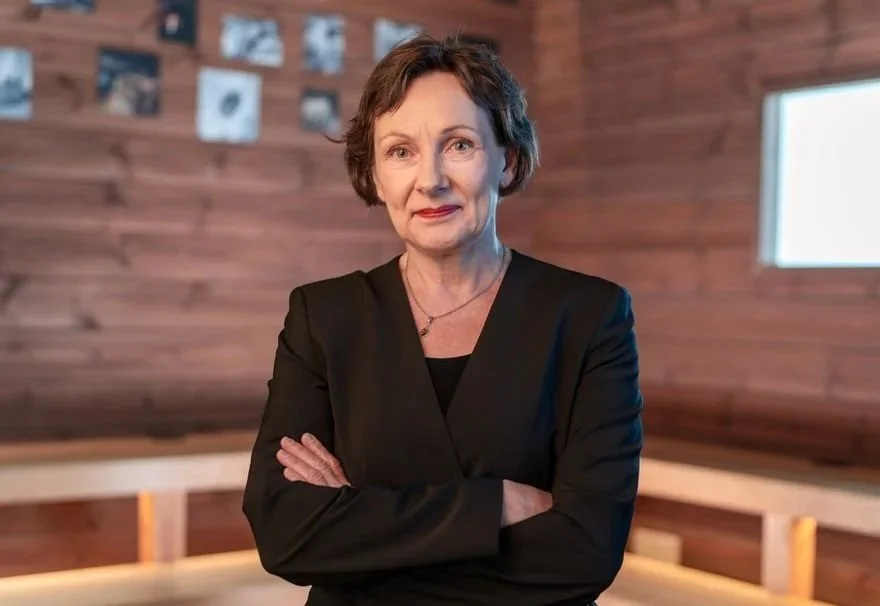
by Elina Anttila 🇫🇮, Director General, National Museum of Finland
-
An intensive and successful repatriation process carried out between 2017 and 2021 returned Finland’s largest and oldest Sámi collection to the homeland of the Sámi Indigenous people in Northern Finland. In total, 2,200 objects of cultural heritage accumulated in the collections of the National Museum of Finland over centuries were transferred to the full ownership of the Sámi Museum Siida.
The return was significant and meaningful for the Sámi. Less discussed, however, is its transformative impact on “the other end of the bridge”: the non-Sámi and the National Museum as a state institution traditionally perceived as representing the mainstream of Finnish culture and history.
Initiated through a mutual memorandum of understanding between the two museums, the project encompassed a government approval process, a comprehensive inventory of the collection, the physical transfer of the objects, data migration, and the joint production of the exhibition Mäccmõš, maccâm, máhccan—The Homecoming, accompanied by public programmes and staff training.
The decision to repatriate was grounded in our professional mission to promote diversity and to strengthen the role of museum collections in identity-building and social inclusion. The subsequent collaborative process further deepened our understanding of Sámi perspectives on society and history and clarified why our responsibility extends across generations. Moreover, it encouraged wider perspectives and questions on our work and institutional role more broadly.
The entire process was characterised by close professional cooperation between the National Museum of Finland and the Sámi Museum Siida. This collaboration proved to be a core strength in navigating a project shaped by a history of asymmetrical power relations, strong aspirations, differing roles and positions, personal commitment, and powerful emotions.
Close to Conflict: Developing an exhibition about Canada and the American Civil War at the Canadian War Museum
by Tim Foran 🇨🇦, Curator, and Claire Champ 🇨🇦, Creative Development Specialist, Canadian Museum of History and Canadian War Museum
-
Close to Conflict – Canada and the American Civil War is a special exhibition developed by and currently on display at the Canadian War Museum. The exhibition examines the enduring legacies of the American Civil War for Canada and Canadians.
The exhibition’s thematic structure, immersive design, artefacts, and images bring visitors into the Canada of the mid-1800s – a time when the threat of violence from south of the border was a catalyst for transformative change. The Civil War accelerated the development of Canada’s Armed Forces and political system; Black Freedom Seekers crossed the Canada-US border in search of legal freedom and launched struggles for equality that continue today; and treaty relationships with Plains First Nations – and the meaning of the border itself – shaped lives, identities, and responsibilities then and now.
At the core of the project’s development was our commitment to sharing authority with external experts and community members. The involvement of co-creators from Black and Indigenous communities ensured accurate and respectful presentation of history and framing of difficult subject matter.
Our presentation highlights how building relationships with co-creators and working collaboratively were critical to conveying to visitors the enduring legacies of the Civil War as well as to presenting complex, cross-border histories in clear, engaging, and inclusive ways, connecting past events to Canada’s identity today.
PLENARY SESSION
12:00 PM ONWARDS
COLLECTIVE SESSION - WORKSHOP
BARNEY-DANSON THEATRE
Presence Builds Trust: How You Show Up Shapes How You’re Believed and Received
by Gail Green 🇺🇸, Founder and President, Gail Green Learning
-
People don't just trust your message—they trust how you deliver it. This dynamic and experiential session explores the powerful connection between leadership presence and trust. Participants will discover how body language, vocal delivery, emotional alignment, and nonverbal communication influence perception, credibility, and impact. Through interactive exercises, practical application, and real-world examples, attendees will identify the subtle behaviors that strengthen—or unintentionally undermine—their effectiveness.
In today's fast-paced and highly visible leadership environment, your presence communicates you: solid, credible, genuine, and trustworthy long before you speak. Whether you're presenting to donors, leading staff, engaging community partners, navigating change, or influencing stakeholders, how you show up directly impacts how your message is received.
Designed for museum, cultural, and communications leaders, this workshop provides actionable tools to increase executive presence, communicate with greater confidence, and build stronger connections with diverse audiences. Participants will leave with strategies they can immediately apply to enhance influence, deepen trust, and lead with greater intention and impact. When presence and purpose align, trust follows—and trust drives results.
Key Learnings
Conference Co-chairs Corinne Estrada 🇫🇷, Founder, Communicating the Arts and Corey Timpson 🇨🇦, Principal, Prime Access Consulting Inc
LUNCH
1:00 PM – 2:00 PM
Meet & Mingle Lunch
Afternoon : DEEP DIVE WORKSHOPS
Choose 1 or 2. Each session is 1 hour long. Workshops are repeated.
DEEP DIVE WORKSHOP 1
BARNEY-DANSON THEATRE
Design Thinking for Brand Strategy: Co-creating Brands to Build Trust
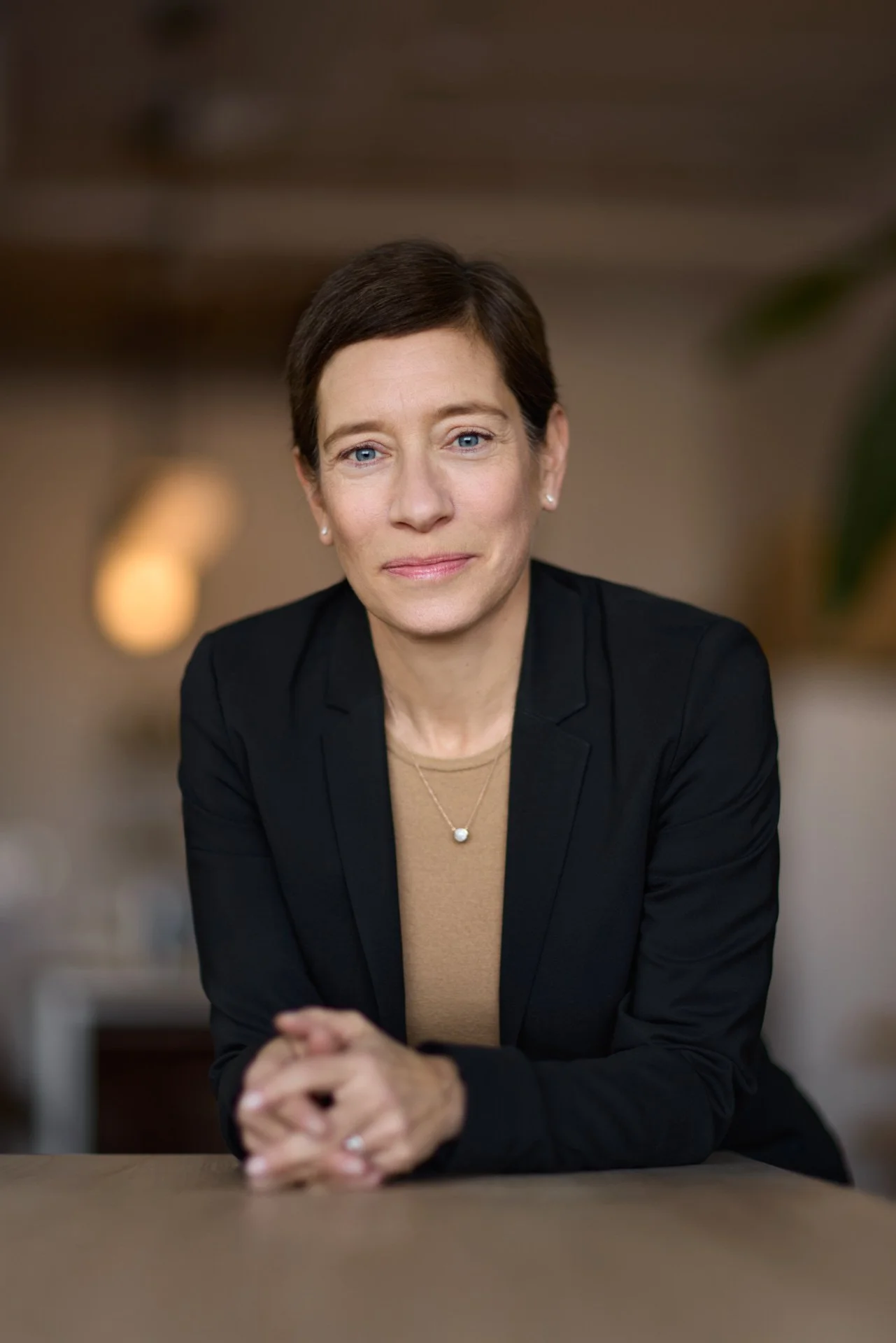
by Debbie Spence 🇬🇧, Strategy Director, MHM
2 sessions
This workshop is a hands-on rethink of how brand strategy actually gets made and why the usual top-down approach so often produces something worthy… and widely ignored.
-
In a sector under pressure to be relevant, inclusive, and trusted, many organisations are rethinking their brand. But too often, arts brands are reduced to awkward away days about logos or developed behind closed doors rather than built as a shared ambition.
In a world where audiences are sceptical, distracted, and spoilt for choice, that’s no longer enough.
This workshop is a hands-on rethink of how brand strategy actually gets made and why the usual top-down approach so often produces something worthy… and widely ignored.
Drawing on MHM’s work across the globe Debbie Spence Director at MHM will take you through a practical, design-led process for building brand strategy with people, not for them.
Together, we’ll explore how to move:
from brand as identity to brand as lived experience
from polished statements to ideas people actually believe in
from “the strategy” to something that drives decisions for your organisation
Expect to get stuck in. This isn’t a passive listen.
You’ll work through the building blocks of brand strategy — ambition, purpose, audience, proposition using exercises designed to unlock thinking and surface tensions.
You’ll leave with:
practical tools you can use straight away
a clearer process for co-creating brand strategy
and probably a healthy suspicion of your current brand guidelines
The brands that build trust aren’t the ones that look good on paper. They’re the ones people recognise, feel, and choose to be part of.
FROM 2:00 PM
DEEP DIVE WORKSHOP 2
ATELIER B
Leadership Behaviours that Build Trust and Bridge Worlds
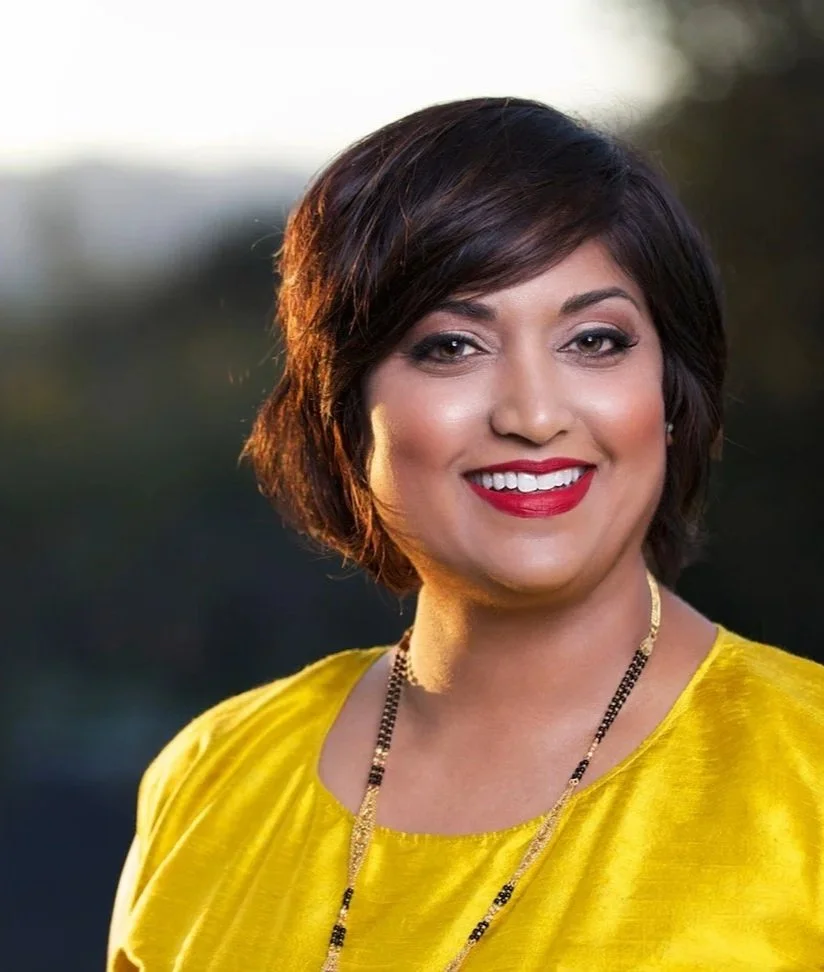
by Michèle Meier 🇨🇦, ICF Certified Leadership Coach, Michèle Meier Coaching and Consulting
2 sessions
A workshop exploring the leadership behaviours and self-awareness needed to build trust, foster collaboration, and create meaningful connections across diverse communities in times of change.
-
In times of disruption and transformation, cultural institutions are increasingly called upon to serve as spaces of connection: places where communities can rebuild trust, engage in dialogue, and imagine shared futures. Yet the ability of cultural organizations to fulfill this role depends greatly on how their leaders show up.
What leadership behaviours strengthen trust, inspire collaboration, and create conditions for meaningful connection? And which behaviours, often under pressure, can unintentionally undermine them?
Through practical examples, reflection exercises, and dialogue, participants will explore how cultural leaders can cultivate the self-awareness and behavioural agility required to lead across differences, navigate complexity, and create environments where people feel safe to engage, contribute, and connect.
DEEP DIVE WORKSHOP 3
ATELIER C
From Spectators to Stakeholders: Fandom as a Force for Audience Activation
by Ivonne Chand O'Neal 🇺🇸, PhD, Researcher, Cultural Strategist, Member of the Board of Directors, Minnesota Opera
2 sessions
What transforms a casual visitor into a passionate advocate? What turns a single encounter with a cultural institution into a lifelong relationship? The answer, increasingly, is fandom — and cultural leaders can no longer afford to leave it to chance.
-
What transforms a casual visitor into a passionate advocate? What turns a single encounter with a cultural institution into a lifelong relationship? The answer, increasingly, is fandom — and cultural leaders can no longer afford to leave it to chance.
This workshop examines fandom not as a fringe phenomenon reserved for pop culture, but as a powerful, transferable model for deep audience engagement in arts and cultural institutions. Drawing on strategies from entertainment, sports, and digital communities, participants will explore how the mechanics of fandom — identity, belonging, co-creation, and emotional investment — can be deliberately cultivated to activate audiences at every stage of their journey.
As cultural institutions grapple with questions of values, mission, and how to demonstrate impact across communities and generations, fandom offers a framework that bridges both. When audiences move from passive consumption to active participation — sharing, interpreting, defending, and extending the cultural narratives of an institution — they become co-creators of meaning and trust.
Participants will examine real-world case studies of institutions that have successfully leveraged fan communities to build loyalty, expand reach, and measure engagement beyond traditional attendance metrics. The session will also address how digital transformation and social platforms amplify fandom dynamics, enabling cultural organizations to foster dialogue that extends far beyond the gallery wall or concert hall.
Aligned with the conference's exploration of how cultural institutions can foster connection, empathy, and understanding across communities, this workshop offers practical tools for cultural leaders ready to reimagine their audiences as stakeholders — not just ticket holders. Attendees will leave with a fandom activation framework adaptable to institutions of any size, along with strategies for measuring the impact of community-driven engagement.
No prior fandom expertise required — only a commitment to building deeper trust between institutions and the people they serve.
DEEP DIVE WORKSHOP 4
ATELIER D
The Dopamine of Discovery: Rethinking Access in a Gatekeeping Institution
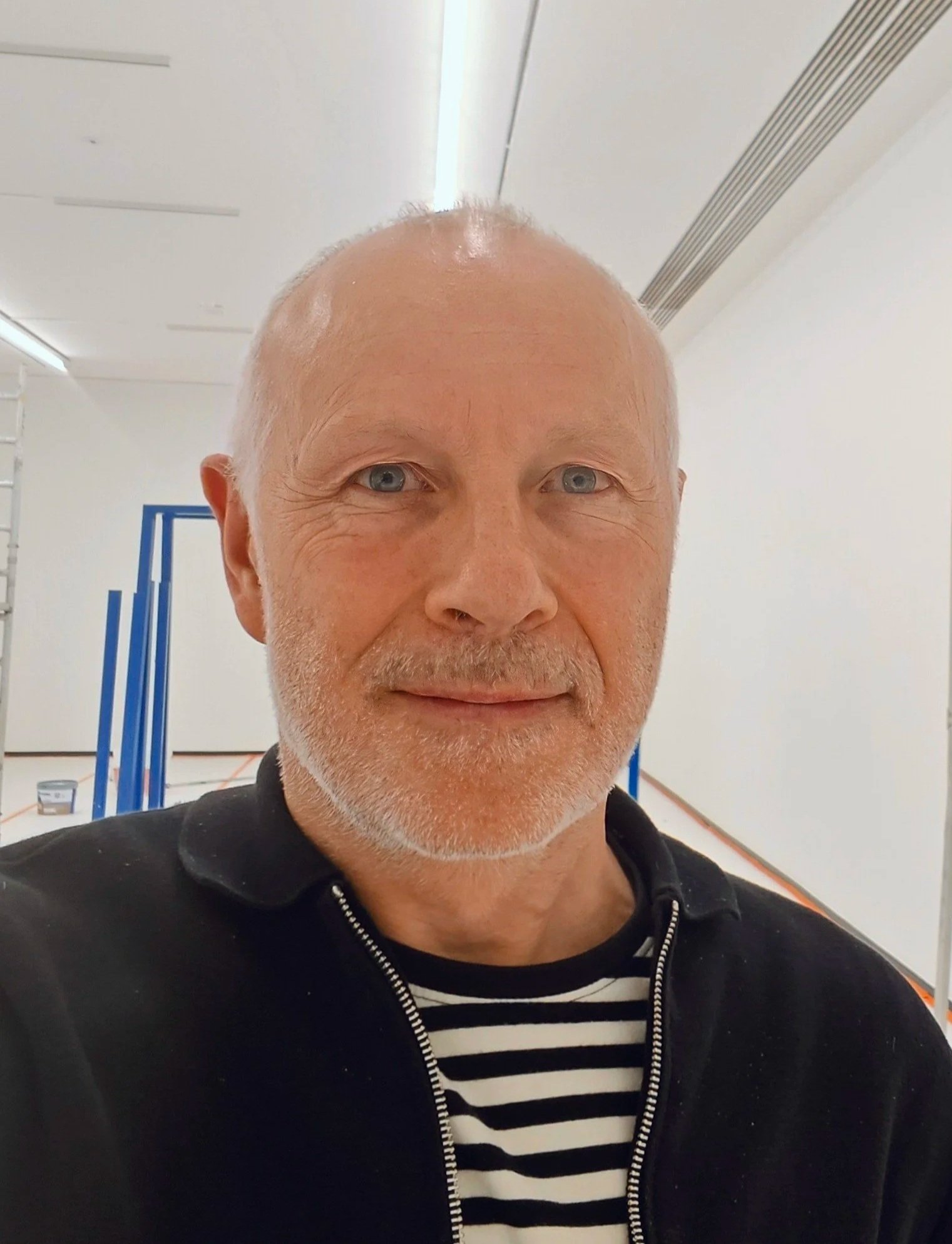
by Peter Aerts 🇧🇪, Head of Communication, Audience Development and Visitor Experience, S.M.A.K. – Municipal Museum of Contemporary Art
2 sessions
A workshop exploring how museums can rethink access and audience engagement by balancing curatorial depth with new approaches to attention, discovery, and meaningful visitor experiences. (Max 15 delegates per session).
-
Contemporary art museums are built on slow authority. Their legitimacy accumulates through collections, artistic research, programming, scholarly judgment, and curatorial consistency, to name a few. This slow authority is not incidental — it protects artistic ambition and gives the institution its credibility.
At the same time, museums are increasingly asked to move fast, stay relevant, and remain financially resilient in a world shaped by fragmented attention, shifting urban communities, and unequal access to arts education. These demands do not wait for scholarly consensus. They require institutions to be agile.
The friction between slow and fast legitimacy surfaces around authority, standards, and access — and often rests on an implicit institutional belief: that curatorial intent, depth, and quality must be upheld in the same way across every touchpoint, from exhibition texts and communication to digital experience, spatial design, mediation, and visitor encounter. This talk addresses that belief directly. Holding a strong curatorial line does not require guarding every threshold in the same way. Designing differentiated access can strengthen rather than compromise artistic integrity.
Drawing on the evolution of S.M.A.K.MOVES into a structural pillar at S.M.A.K. in Ghent, this session explores how museums can create different conditions of encounter without reducing artistic ambition or compromising artistic autonomy. The model looks outward, connecting fields that study the same people from different angles: behavioural science, human resources, and service design. Together, these perspectives illuminate what makes people pay attention, tolerate difficulty, and experience reward.
At the centre of the talk is a simple principle: effort deserves meaningful gratification. When audiences invest attention, museums must design moments that make that effort worthwhile. But how do you know what’s rewarding? The session introduces an experimental working model that helps teams identify points of resonance and design more rewarding routes through contemporary art. This is not about making art easier. It’s about making complexity more accessible through deeper insight into attention, gratification, and reward.
Rather than a finished framework, this case study shares an institutional experiment in progress and asks whether the tension between depth and accessibility is a real constraint or a false choice we have learned to accept.
Note: This topic will be presented both as a case study session and as a 60-minute working session. Delegates interested in participating in the workshop are encouraged to attend the case study presentation as well, in order to be better prepared for the working session.
DEEP DIVE WORKSHOP 5
ATELIER A
The Currency of Trust: How to Build, Repair, and Sustain It In Today’s Workplace
by Gail Green 🇺🇸, Founder and President, Gail Green Learning
2 sessions
A workshop exploring how leaders can build, repair, and sustain trust in the workplace through stronger communication, accountability, psychological safety, and meaningful relationships.
-
In this engaging and interactive session, Gail Green explores why trust is no longer a "nice-to-have" leadership quality, but a critical driver of performance, engagement, retention, collaboration, and innovation. Participants will gain a deeper understanding of how trust is built, what causes it to break down, and what leaders can do to intentionally strengthen it every day.
Trust is the foundation of every successful workplace relationship—and one of the most valuable assets a leader can cultivate. Yet in today's rapidly changing environment, trust can feel increasingly fragile. Organizational change, competing priorities, hybrid work, communication breakdowns, and uncertainty can erode trust faster than many leaders realize.
Through practical tools, real-world examples, and meaningful audience participation, attendees will learn actionable strategies for creating psychological safety, increasing accountability, strengthening communication, and rebuilding trust after conflict, change, or disruption. Whether you lead a team, manage stakeholders, or influence across an organization, the ability to cultivate trust is essential to achieving sustainable results.
Participants will leave with a clear framework for building stronger relationships, fostering greater connection, and creating workplace cultures where people feel valued, respected, and empowered to do their best work.
END OF DAY 3 AT 4:30PM
Evening
FROM 7:00 PM
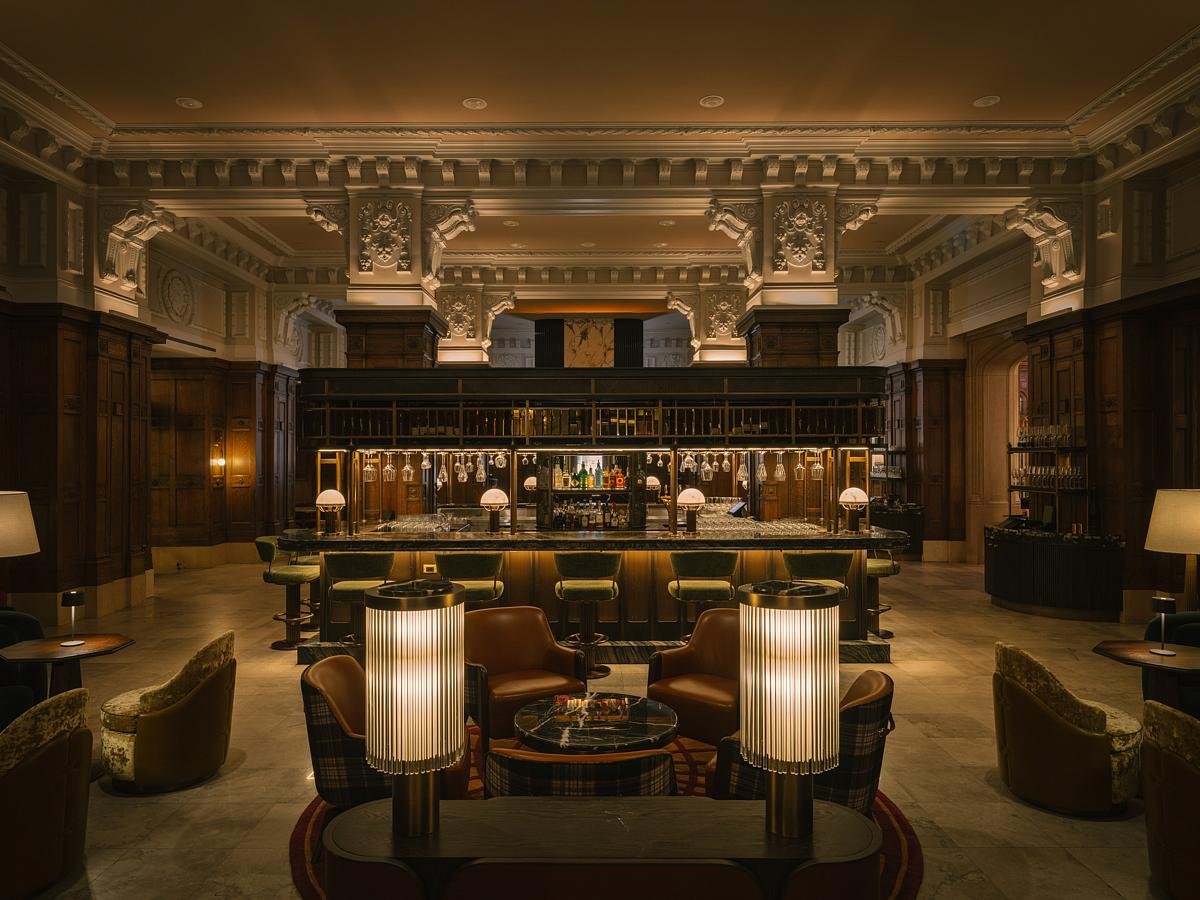
Farewell Drinks
(Optional networking reception; drinks not included).
Canadian War Museum
1 Vimy Pl, Ottawa, ON K1A 0M8, Canada