
Day 3
Thurs 15 October
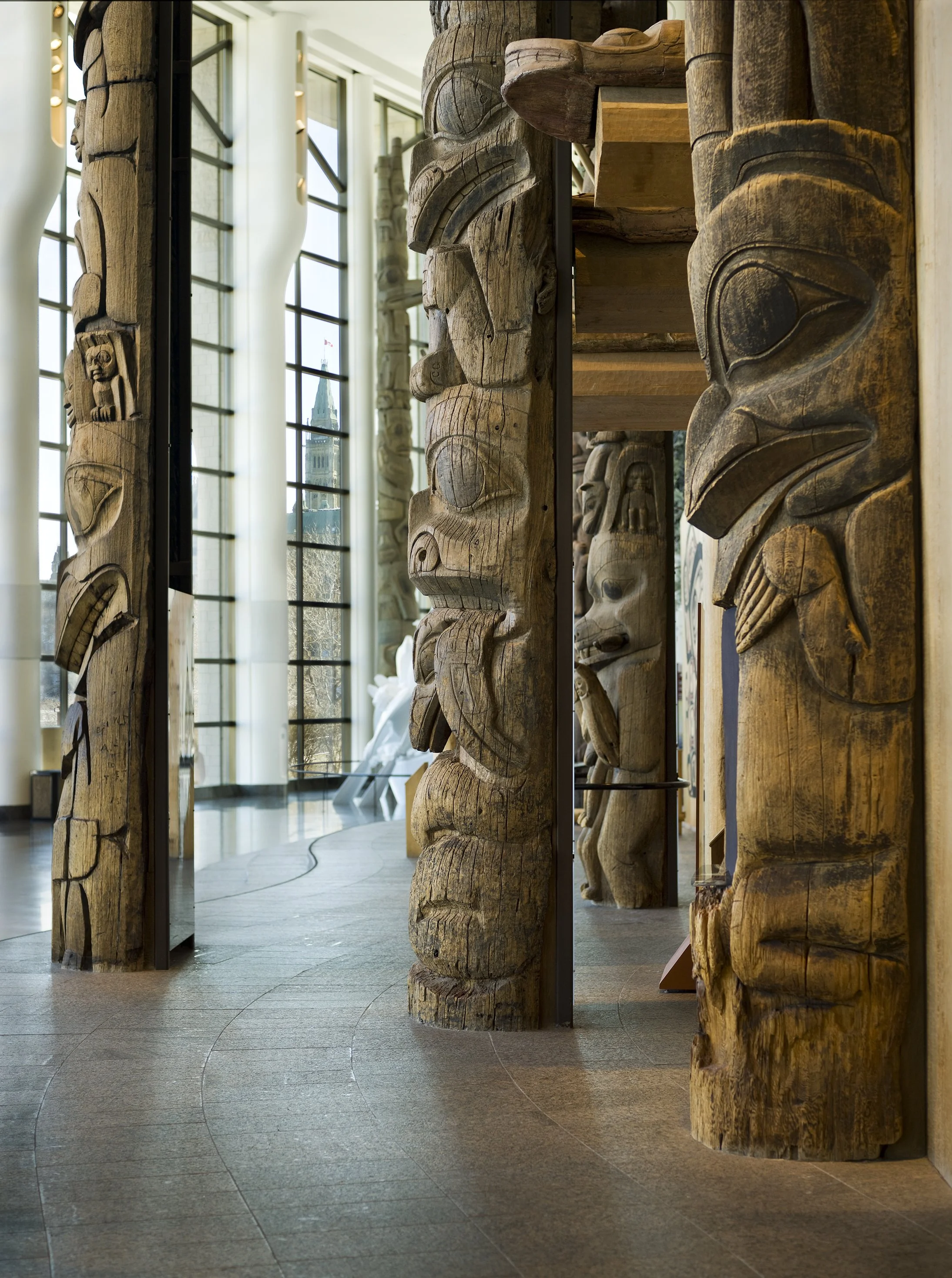
Grand Hall,© Canadian Museum of History
COFFEE
8:30 AM – 9:00 AM
Tea and Coffee on arrival
Morning • Measuring Impact
Program subject to change
PLEANARY SESSIONS AT THE CANADIAN MUSEUM OF HISTORY


CANADIAN MUSEUM OF HISTORY - THEATRE
FROM 9:00 AM
Welcome to Day 3
Corinne Estrada 🇫🇷, Founder, Communicating the Arts, with co-chair, Melissa Santee 🇺🇸, Chief Philanthropy Officer, Cleveland Museum of Natural History
KEYNOTE
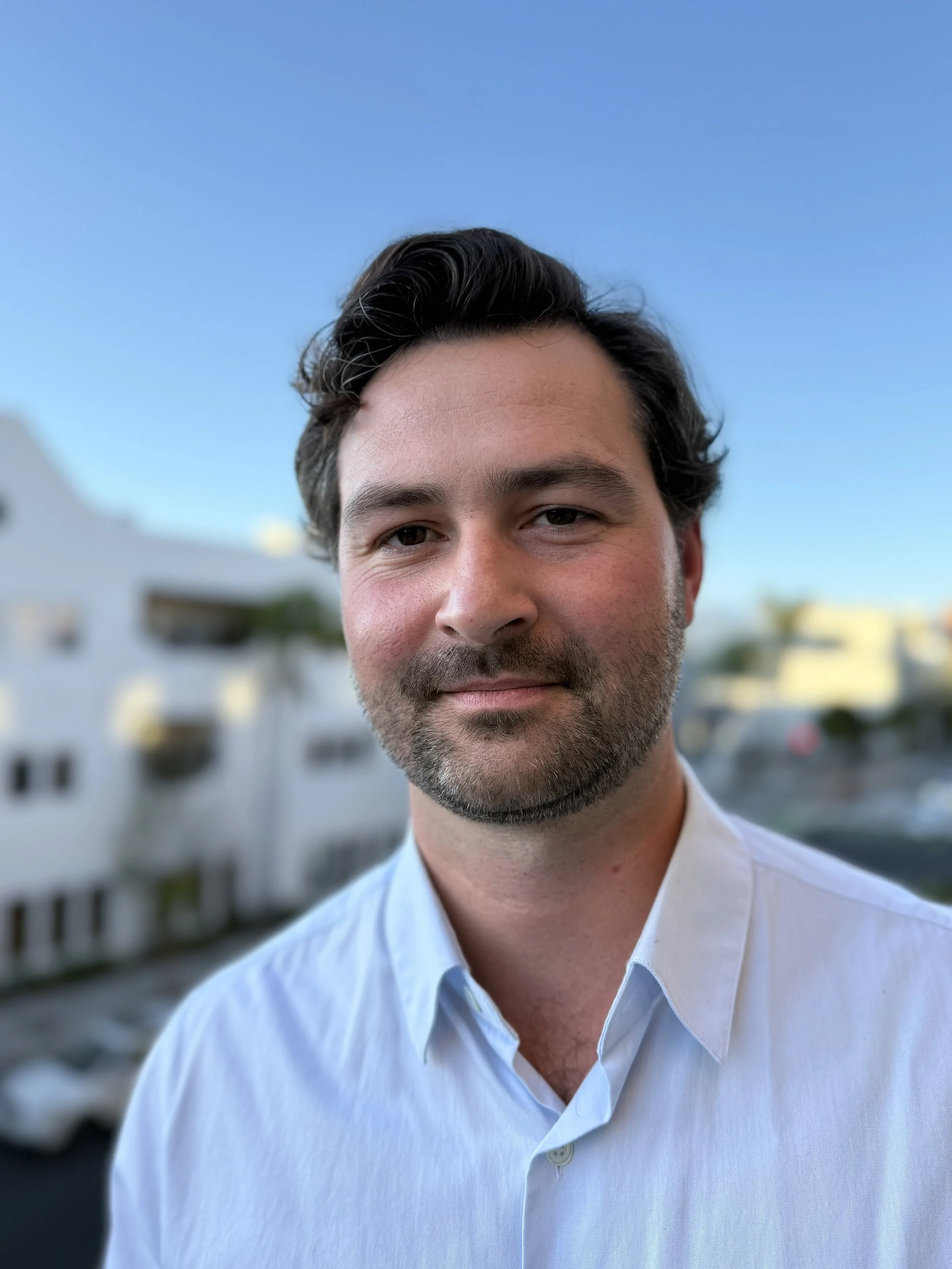
The Invisible Bridge: Designing Attention to Build Trust Across Cultural Worlds
Kevin Jamey 🇨🇦, Postdoctoral Fellow, Brain and Creativity Institute, University of Southern California, Electronic Musician as GROJ
-
Every museum already has a soundtrack. The question is whether it is designed or accidental.
Footsteps, overlapping voices, audio bleed between installations, HVAC noise—these elements continuously shape how visitors perceive an exhibition. Left unmanaged, they fragment attention and can undermine the coherence of even the most carefully curated programs.
This talk proposes that bridging worlds in museums is not only a curatorial or narrative challenge, but an attentional one. When attention fragments, diversity reads as disjointed rather than connected, and trust erodes.
Drawing from neuroscience and music cognition, this talk introduces the concept of attentional sonic architecture: the design of sound-induced perceptual continuity across an experience. Human perception is highly sensitive to rhythm, repetition, and predictability. We trust systems that feel stable and internally coherent, from our own bodies to the environments we inhabit.
Sound has a unique capacity to shape this coherence. Unlike visual or textual elements, it can fill the perceptual field at a subliminal level, guiding attention without demanding it. Minimal, repetitive sonic structures, inspired by ambient and experimental music practices, can function as low-semantic infrastructure — present enough to stabilize perception, yet subtle enough to avoid competing with the artworks themselves.
In a field increasingly focused on intangible impact, attentional coherence may be a missing construct. It does not appear in standard metrics, but it manifests in how long people stay with a work, how smoothly they move through an exhibition, how consistently different audiences engage, and how similarly they describe what they experienced afterward.
To bridge worlds meaningfully, museums must design not only what is presented, but how it is perceived over time. Sound, when treated as attentional infrastructure rather than decoration, offers a precise and largely untapped way to do so.
KEYNOTE
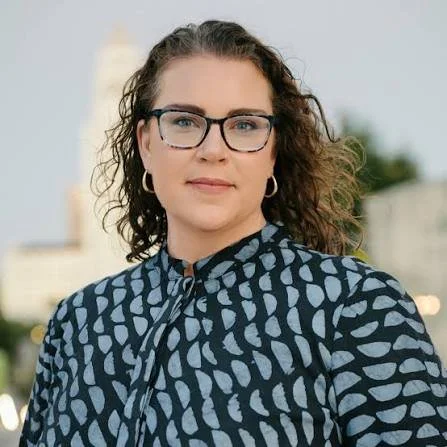
Measuring Impact Beyond Attendance: The Theory of Change at the Music Center
Julia Diamond 🇺🇸, Senior Vice President, TMC Arts, The Music Center
-
The Music Center, Los Angeles’ performing arts center, activates its four theaters, outdoor spaces, schools, and neighborhoods with more than 1,000 free and low-cost events annually and reaches more than 400,000 participants across schools and public programs.
In 2019, the organization embarked on the development of a first-of-its-kind proprietary process to measure the impact of its programs on Los Angeles County residents. Using a Theory of Change framework developed specifically by and for The Music Center, the organization connects programming activities to key outcomes. This report asks three guiding questions:
• How well are we deepening the cultural lives of Angelenos (which is part of the organization’s vision)?
• Are we reaching geographically and demographically diverse communities across Los Angeles County?
• To what extent are our programs welcoming to new participants?
2025 marked the first year in which The Music Center applied this new process to all its programs, including both paid ticketed and free experiences, and the results are compelling.
This presentation will share insights into the rationale behind the creation of this assessment tool and the powerful outcomes—published for the first time in spring 2025—that not only inform data-driven, responsive programming decisions but also educate and motivate stakeholders about the true value of The Music Center’s work and progress against its aspirational vision.
Followed by a Q&A Session by John Giurini 🇺🇸, Assistant Director of Communications and Public Affairs, J. Paul Getty Museum
Q&A
Corinne Estrada 🇫🇷, Founder, Communicating the Arts, with co-chair, Melissa Santee 🇺🇸, Chief Philanthropy Officer, Cleveland Museum of Natural History

30 Under 30 Updates
BREAK
Tea and Coffee Break
10:30 AM - 11:00 AM
LEARNING FROM PRACTICE: CONCURRENT CASE STUDY SESSIONS
Each session is 1 hour long, featuring 2 presentations and live Q&A.
11:00 AM - 12:00 PM
SESSION 1
THEATRE
Measuring Cultural Value Through Innovation
Measuring Impact Beyond the Box Office: Building Trust Through New Work in Opera
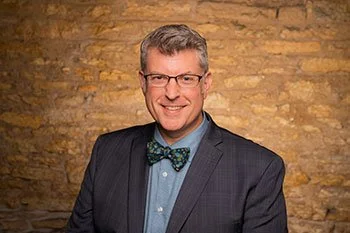
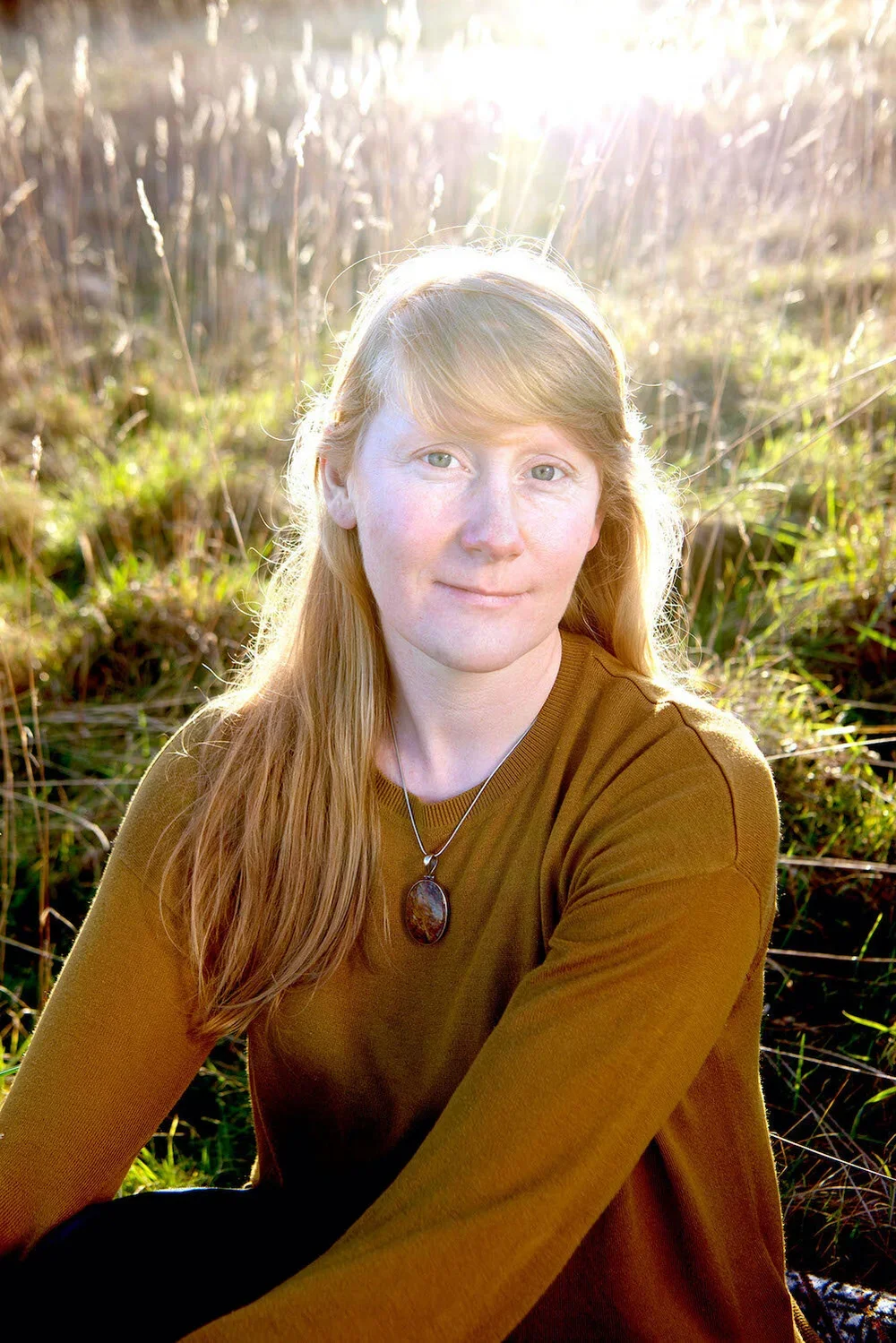
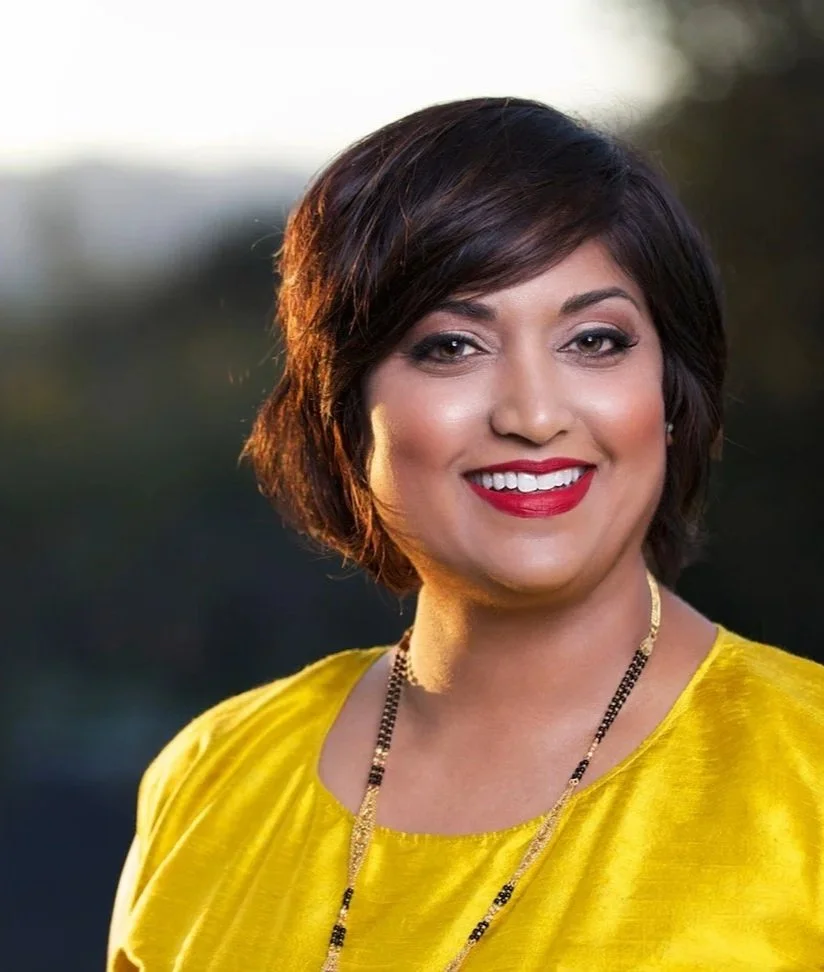
by Ryan Taylor 🇺🇸, President and General Director, Minnesota Opera, and Ivonne Chand O'Neal 🇺🇸, PhD, Researcher, Cultural Strategist, Member of the Board of Directors, Minnesota Opera
-
At a time when many cultural institutions are struggling with declining trust, polarized audiences, and urgent calls for relevance, Minnesota Opera made a bold decision: to stop treating new work as a transactional commission and start treating it as a covenant with community.
This session offers a candid case study of the New Works Initiative — a multi-year transformation that redefined how opera is created, who gets to author it, and how its value is measured. Rather than adding diverse stories to an unchanged system, the company rebuilt the system itself, aligning artistic practice with reconciliation, cultural listening, and shared authority.
Participants will explore how Minnesota Opera anchored the initiative in mission and values, developed practical tools for measuring impact beyond ticket sales, leveraged digital platforms to expand authorship and access, and navigated moments of real crisis — from internal resistance and governance shifts to financial volatility and community skepticism.
The presentation will unpack both successes and missteps: how community partnerships reshaped commissioning pipelines; how staff capacity and board culture became as important as artistry; why early evaluation models failed — and what replaced them; and what the organization would redesign today with the benefit of hindsight.
Attendees will leave with a transferable framework for turning new work into a trust-building engine rather than a prestige exercise — complete with governance questions, evaluation templates, and leadership practices that can be adapted across museums, performing arts organizations, and cultural networks.
For leaders who are ready to move from symbolic inclusion to structural change, this session reveals how new work can become the most powerful form of cultural dialogue we have.
CLOUD BODIES: How Human Presence Can Transform Digital Worlds
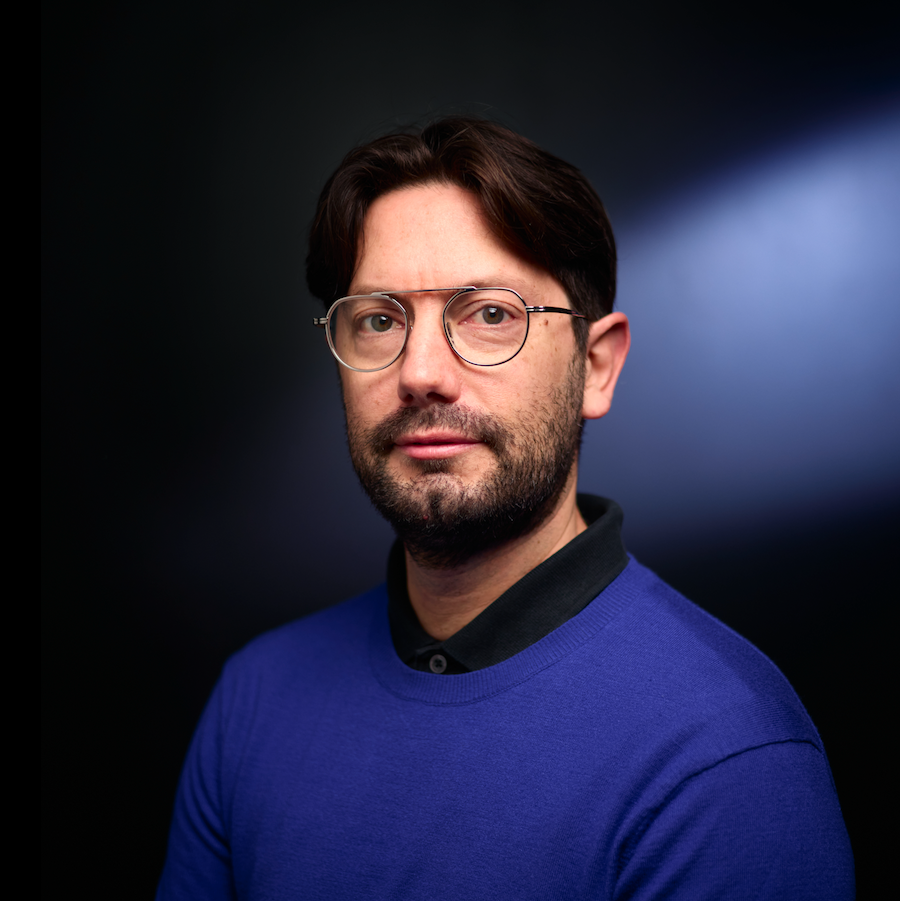
by Allison Moore 🇨🇦, New Media Artist and Filmmaker and Thomas Giboudeaux 🇨🇦, Communications and Marketing Director, MUTEK
-
Allison Moore presents CLOUD BODIES, an immersive media performance that merges contemporary dance, real-time technologies, and digitally reconstructed landscapes. Originally developed in partnership with Montreal’s Society for Arts and Technology and presented in the Satosphere, the work has also been featured at international fulldome festivals. Moore will be introduced by the MUTEK Montreal Festival, a longstanding supporter in the project’s development.
CLOUD BODIES combines choreography with generative visual environments through live volumetric capture. During the performance, dancer Lucy Fandel is tracked in real time by sensors that record her movement as geometric metadata. These data streams are processed live and reconstructed within an immersive environment projected across the dome. The dancer’s body becomes a shifting terrain, merging with vast point-cloud landscapes derived from photogrammetric scans of the forests where Moore grew up on Vancouver Island. As bodies and landscapes waltz across the dome, the topography of human movement morphs with the contours of the natural world, accompanied by an original score by Arthur Desmarteaux.
In this talk, Moore will introduce the artistic concept and technical framework behind the performance, demonstrating how live volumetric capture can be used to create responsive, generative environments for immersive performance. She will also reflect on the collaborative development process, including residency research at the Society for Arts and Technology and partnerships with the MUTEK Montreal Festival.
By playing with scale, perspective, and embodiment, CLOUD BODIES proposes the body as landscape—an interface where physical movement, environmental memory, and virtual space converge. The project invites audiences to reconsider how human presence can inhabit and transform digital worlds, suggesting new possibilities for performance in immersive media environments.
The Cloud Bodies project benefited from the artwork creation program at the Society for Arts and Technology (SAT) and was performed at MUTEK25 in Montreal.

SESSION 2
ATELIER 1
Bridging Worlds through Public Space
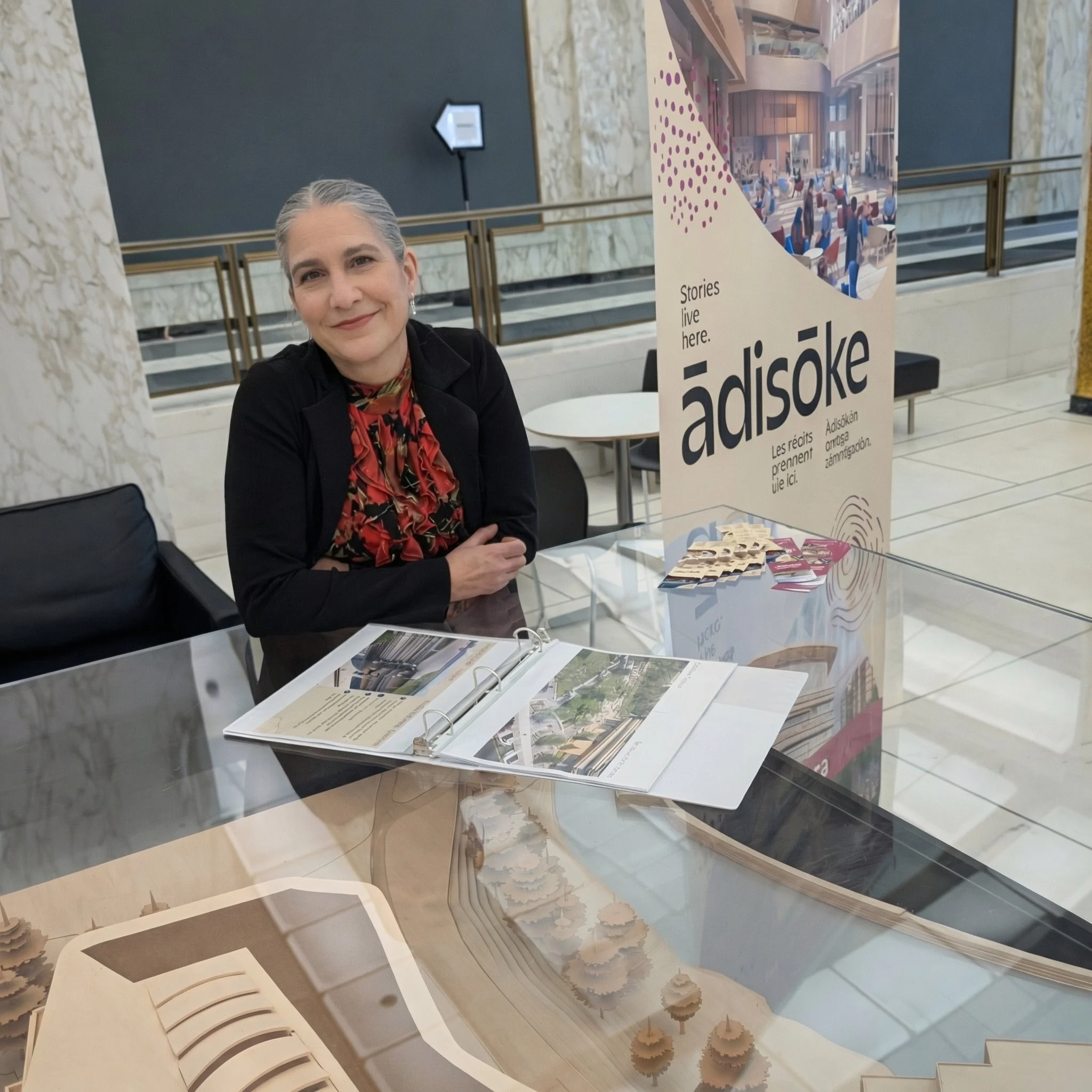
Ādisōke: The Value of Engaging New and More Diverse Audiences
by Lisa Tremblay-Goodyer 🇨🇦, Director General of Communications and Policy, Library and Archives Canada
-
In 2020, Library and Archives Canada launched a new strategic plan, “Vision 2030,” with the goal of increasing access for new and more diverse audiences. This plan, alongside the design and construction of a new landmark facility with the Ottawa Public Library, Ādisōke (an Anishinābemowin word that refers to storytelling), has set LAC on an ambitious journey to reaffirm its place as both a trusted source of knowledge and an organization that inspires and reflects everyone. However, fostering discovery, understanding, and connection in this era of information overload is an enormous challenge. It requires more than good intentions and a beautiful new building. LAC needed to better understand the needs, wants, and interests of both its current users and the people and communities currently outside its reach. This work began with the development of an audience framework.
This case study will discuss LAC’s work to develop an audience framework — a first for an archival institution in Canada — and how the resulting framework is informing service design, including the creation of experiences to reach new users. I will discuss the lessons learned in piloting services and programs designed to engage LAC’s new audience segments.
Through this important work, LAC has affirmed that it is at its best and has the greatest impact when it rises to the challenge of meeting people where they are. This has meant broadening its service lens to include opportunities for play, curiosity, and exploration.
These new avenues for engagement create greater awareness, build bridges, and help establish trust with individuals and communities who have not, until now, seen themselves reflected in LAC’s collections and services. Empowering a new generation of users begins with starting a conversation.
The Space We Make: How Culture is Cultivated When Concrete Meets Community
by Anna Thornton 🇨🇦, Senior Director, Executive Office and Corporate Affairs, National Arts Centre, and Kondwani Mwase 🇨🇦, Executive Director, Brand and Audience Engagement, National Arts Centre
-
The talk explores the National Arts Centre’s transformation from a dark, brutalist-style building into a transparent, public facing space, and the deeper cultural shift that transformation required. The NAC’s architectural renewal was only the beginning. To earn trust, the institution also had to make its values visible through visitor experience, programming, communications, and sustained community engagement.
The presentation traces how architecture, brand, and strategic direction aligned around a shared goal: shifting loyalty from subscriptions to relationships. Through audience-centred initiatives and CRM-informed engagement strategies, including a case study on Black Out Night, the talk examines how traditional measures of success were challenged in favour of relationship-based indicators such as return, presence, and community response.
Along the way, the NAC has had to balance institutional legacy with relevance, define what “meaningful engagement” looks like, and build trust with communities historically excluded from cultural spaces, and manage the realities of operating a performing arts centre that is open to the public day and night, 365 days of the year. Key lessons include the importance of visibility, consistency between values and behaviour, and using data as a listening tool rather than a transactional one.
Ultimately, this is a story about who the NAC was created for, who it is now, and who it is becoming; it’s about how relationships, not transactions, are shaping the future of cultural institutions.
SESSION 3
ATELIER 2
Bridging Worlds through Cultural Impact
Bridging a Divided Nation Through Creativity: The Social Impact of the Royal Ballet and Opera in Bradford
by Jillian Barker 🇬🇧, Director of Learning and Participation, Royal Ballet and Opera
-
“Divided Britain!” the headlines say. The contrast between the Royal Ballet and Opera’s beautiful Covent Garden home, with its plush velvet curtains and pillared portico, and the streets of post-industrial Bradford could not be more stark. Bradford has 33% of children living in poverty and some of the highest levels of diversity in the UK.
The Royal Ballet and Opera is committed to exploring the intersection of artistic excellence and social impact. So the questions were clear: How could we have meaningful impact? How could we bridge these contrasting worlds? And how can ballet and opera unlock the creativity of young people in Bradford?
These questions shaped our three-year intervention as Bradford became UK City of Culture. It was never about parachuting in: it was about listening, learning, and building collaborative relationships that could underpin real change.
We worked with 45 schools, private dance schools, and 2,500 young people and their teachers. To ensure we understood the impact, we commissioned internationally renowned researchers from Born in Bradford, run by the National Health Service, to examine it.
They found that, in a world where children face growing challenges to their mental health, physical well-being, and social development, this project shows “what is possible when we embed creativity into education: from enhanced learning to confidence and joyful participation.”
The project culminated in “Sing, Dance, Leap”: a mass-participation performance about young people’s hopes and dreams, created with 2,500 children alongside artists from Opera North, Northern Ballet, and the Royal Ballet and Opera. It was a powerful moment in which children and professional artists sang:
“It’s a leap into the future, a leap into the dark… It’s a moment, it’s a second, it’s an idea… it’s a spark, spark, spark!”
Bridging Worlds Through Public Heritage: A Parisian Métro Entrance as an Anchor for Chicago’s Cultural District
by Aimée Laberge 🇺🇸, Author and Former Director of Programs, Alliance Française de Chicago
-
“Le beau à portée de tous / Beauty within everyone’s reach ” – Hector Guimard
Gifted by the City of Paris to Chicago, Hector Guimard’s Art Nouveau Métro entrance has stood for over two decades at Grant Park, welcoming passengers to the suburban transit network in the heart of downtown. Planned renovations requiring its relocation prompted a broader inquiry: could this iconic entranceway serve as a catalyst for placemaking beyond its original transportation function?
A proposal was made by the Alliance Française to the City of Chicago seeking to explore how heritage and cultural infrastructure can be mobilized to foster dialogue around urban renewal. The proposal called for relocating the Métro entrance to an “L” station within River North, a neighborhood rich in mission-driven cultural organizations but still impacted adversely by the pandemic.
Using the entranceway as an anchor, the project proposed to establish public “corridors” within the street grid, marked by art and connecting the various local institutions. This newly defined cultural district would act as a trigger to attract more visitors, revitalize empty commercial spaces, and bridge an economically diverse constituency.
This presentation will reflect on the proposal’s development, the barriers that prevented its realization, and the lessons it offers for future cross-sector cultural projects. It argues for a more intentional alignment between vision, governance, and community engagement to unlock the full potential of culture and public art as tools for urban resilience and social cohesion.
A previous version of this talk, “Métro + beau à Chicago”, was co-presented by Aimée Laberge and Elizabeth Cummings in front of the public at the Salle du Conseil de la Ville de Paris in December 2024, part of a conference organized by Le Cercle Guimard.
SESSION 4
ATELIER 3
Bridging Worlds Through Audience Engagement
The Dopamine of Discovery: Rethinking Access in a Gatekeeping Institution
by Peter Aerts 🇧🇪, Head of Communication, Audience Development and Visitor Experience, S.M.A.K. – Municipal Museum of Contemporary Art
-
Contemporary art museums are built on slow authority. Their legitimacy accumulates through collections, artistic research, programming, scholarly judgment, and curatorial consistency, to name a few. This slow authority is not incidental — it protects artistic ambition and gives the institution its credibility.
At the same time, museums are increasingly asked to move fast, stay relevant, and remain financially resilient in a world shaped by fragmented attention, shifting urban communities, and unequal access to arts education. These demands do not wait for scholarly consensus. They require institutions to be agile.
The friction between slow and fast legitimacy surfaces around authority, standards, and access — and often rests on an implicit institutional belief: that curatorial intent, depth, and quality must be upheld in the same way across every touchpoint, from exhibition texts and communication to digital experience, spatial design, mediation, and visitor encounter. This talk addresses that belief directly. Holding a strong curatorial line does not require guarding every threshold in the same way. Designing differentiated access can strengthen rather than compromise artistic integrity.
Drawing on the evolution of S.M.A.K.MOVES into a structural pillar at S.M.A.K. in Ghent, this session explores how museums can create different conditions of encounter without reducing artistic ambition or compromising artistic autonomy. The model looks outward, connecting fields that study the same people from different angles: behavioural science, human resources, and service design. Together, these perspectives illuminate what makes people pay attention, tolerate difficulty, and experience reward.
At the centre of the talk is a simple principle: effort deserves meaningful gratification. When audiences invest attention, museums must design moments that make that effort worthwhile. But how do you know what’s rewarding? The session introduces an experimental working model that helps teams identify points of resonance and design more rewarding routes through contemporary art. This is not about making art easier. It’s about making complexity more accessible through deeper insight into attention, gratification, and reward.
Rather than a finished framework, this case study shares an institutional experiment in progress and asks whether the tension between depth and accessibility is a real constraint or a false choice we have learned to accept.
Note: This topic will be presented both as a case study session and as a 60-minute working session. Delegates interested in participating in the workshop are encouraged to attend the case study presentation as well, in order to be better prepared for the working session.
When Sports Inspire Cultural Marketing: Loyalty, Innovation, and New Revenue Streams
by Mathilde Gaultier 🇫🇷, Sales Manager, Arenametrix
-
In a context where cultural organizations are seeking to renew their models and strengthen their connection with audiences, the sports sector could become a powerful source of inspiration. Sports clubs and leagues have long cultivated a strong culture of fan experience, marketing innovation, and emotional loyalty, approaches that performing arts organizations can now draw upon to meet their own challenges.
This presentation will unpack data-driven and CRM-based marketing practices developed in the sports industry that can be meaningfully adapted to cultural organizations: segmented SMS campaigns, audience lifecycle management, loyalty and membership models, and data-supported revenue diversification (retail, memberships, donors).
Through a concrete example from the performing arts, we will break down how to structure and activate audience data to strengthen engagement, improve targeting, and support decision-making. Participants will leave with practical frameworks and actionable tactics inspired by sports CRM strategies that can be immediately applied to their own marketing workflows.
WORLD CAFÉ
PLENARY SESSION AT SALON PANORAMA
12:00 PM - 1:00 PM
Collective Intelligence
Interactive conversation about challenges faced in today’s cultural organisations
LUNCH
1:00 PM – 1:45 PM
Meet & Mingle Lunch
Afternoon • Crisis Management
PLENARY SESSIONS AT THE CANADIAN MUSEUM OF HISTORY
FROM 1:45 PM
VISIONARY KEYNOTE - THEATRE
Breaking Free from the Spiral of Silence : Democracy, Censorship and Self-Censorship
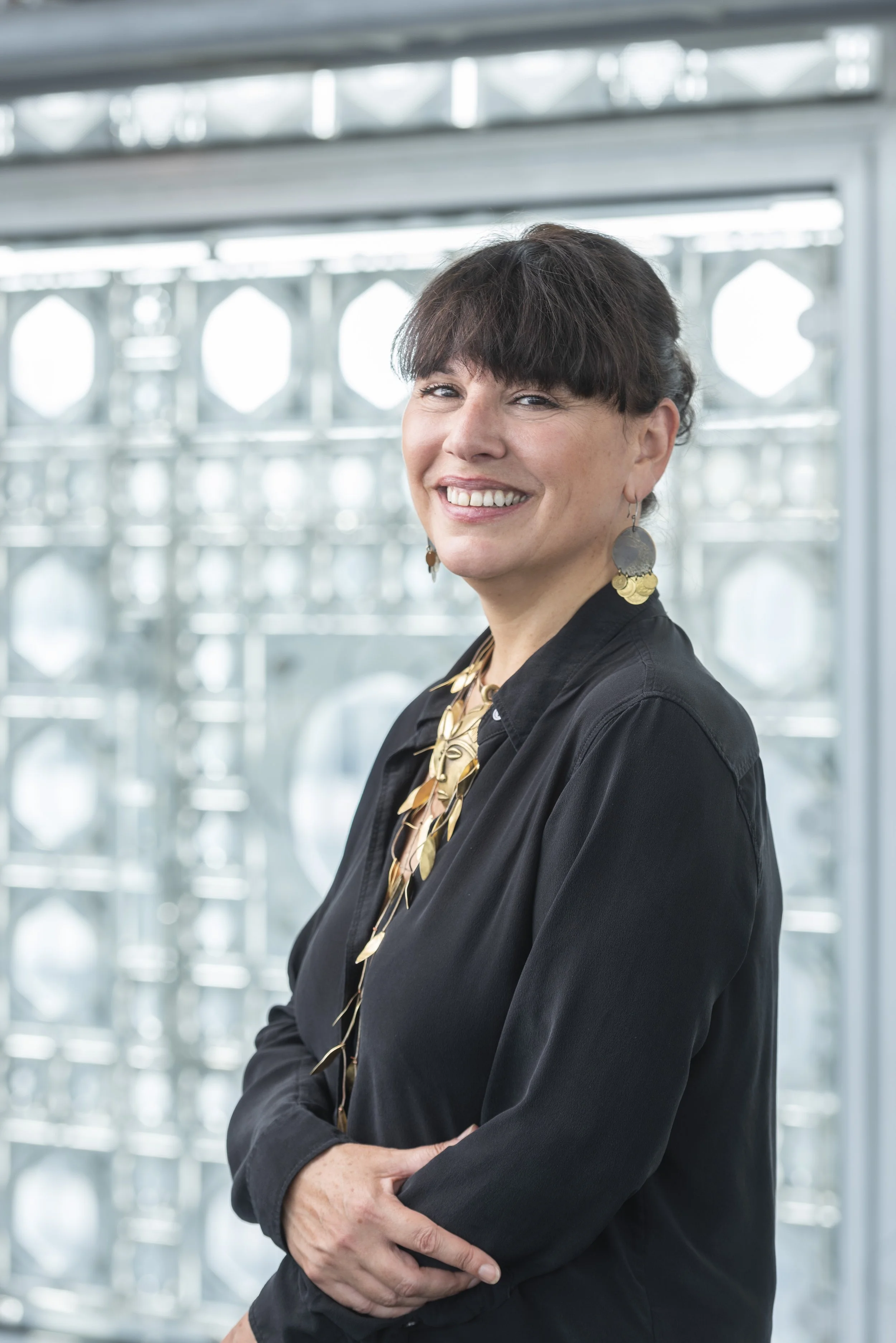
by Nathalie Bondil 🇫🇷, Museum and Exhibitions Director, Institut du Monde Arabe
-
Against the backdrop of an increasingly polarized public debate, museums—and, more broadly, cultural institutions—are facing ever-greater and more diverse pressures: in the United States, for example, the conflict is no longer merely ethical; it has become head-on and political, pitting the federal government directly against cultural institutions.
Between censorship and self-censorship, how can we continue to exhibit sensitive topics, avoid simplistic biases, and foster scientific debate and professional practice to fulfill the museum’s civic role in the face of these tensions? When perspectives become polarized and the exchange of ideas is impoverished, how can our cultural institutions foster genuine dialogue and cultivate a unifying and healing spirit for everyone?
PANEL
THEATRE
Returning Home Across Borders: Indigenous Repatriation and International Collaboration
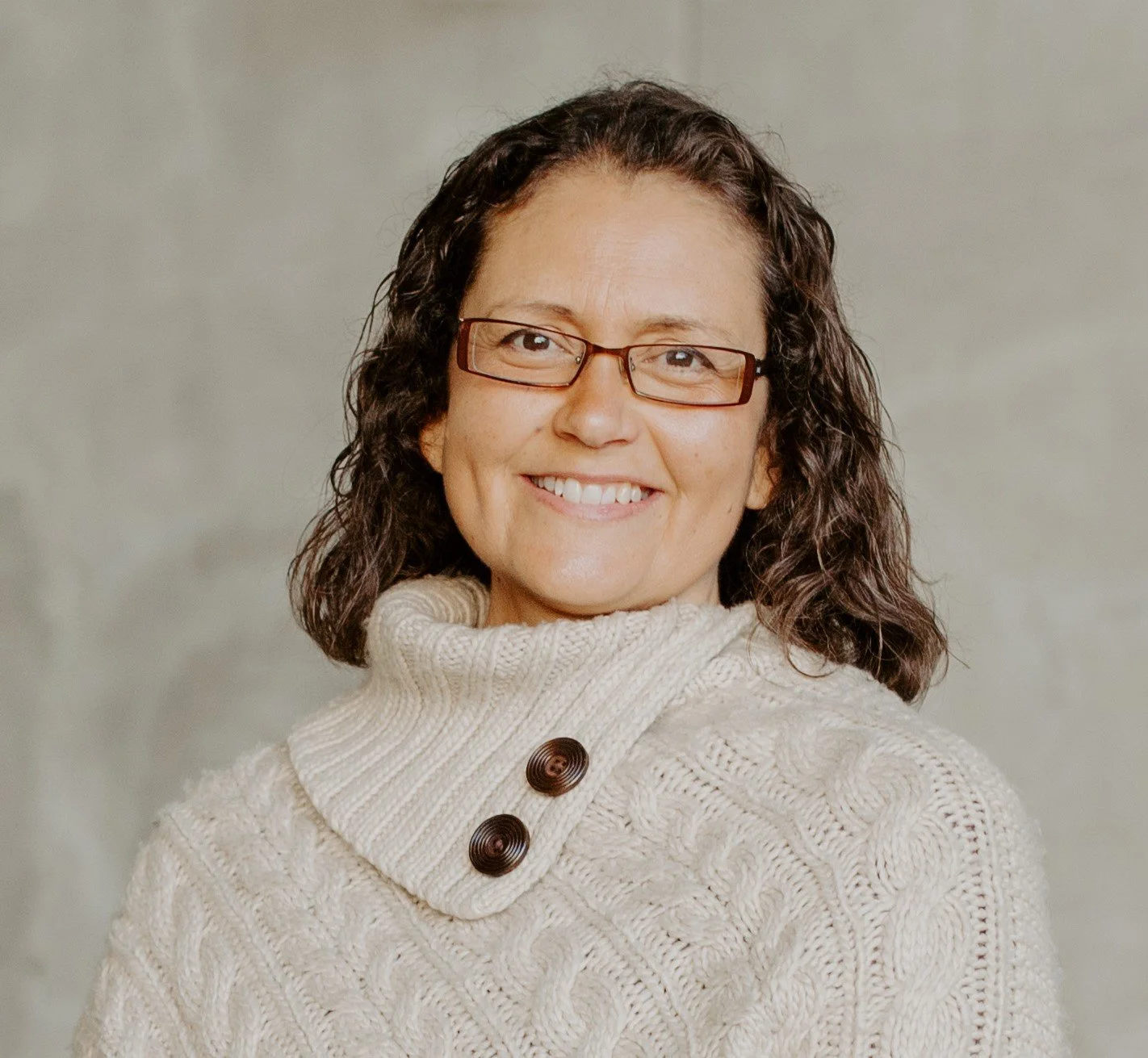
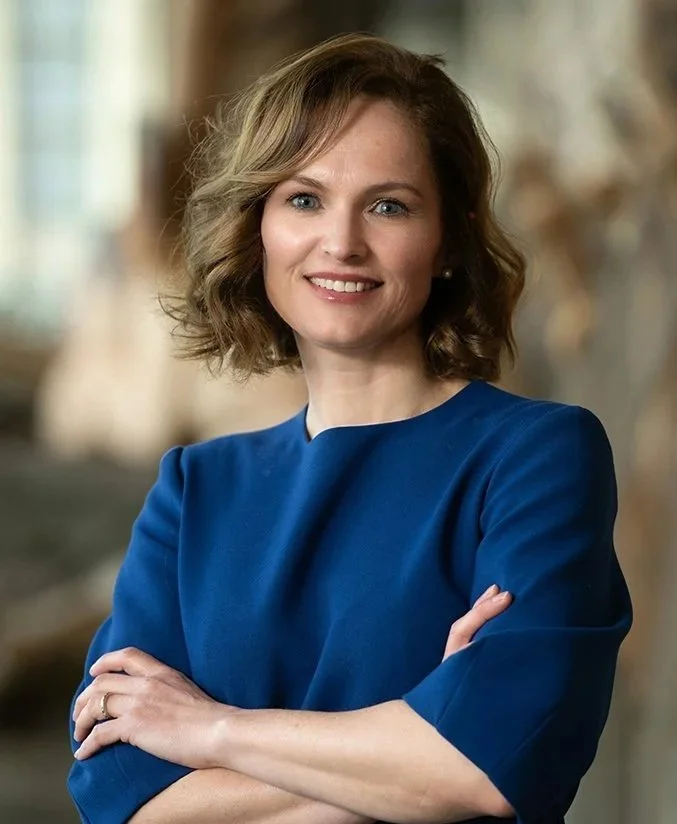
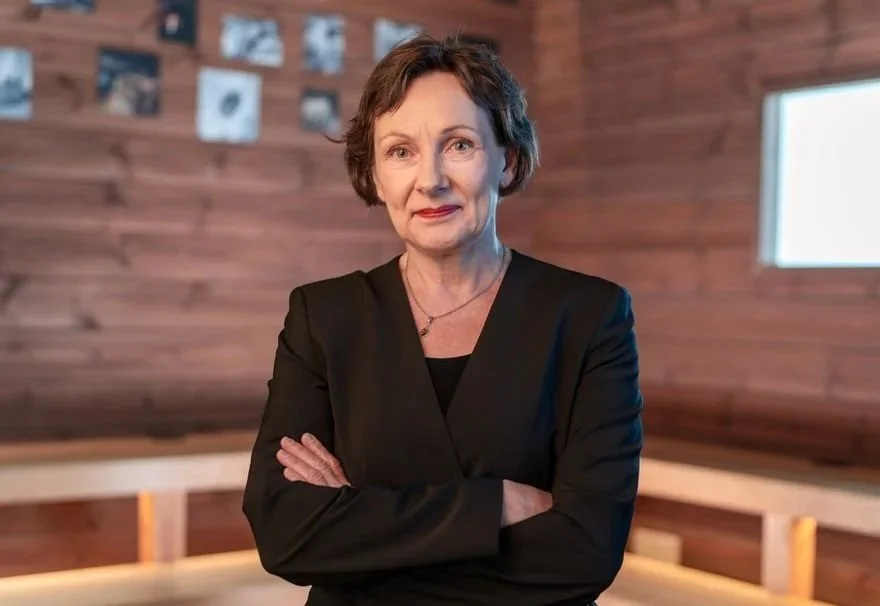
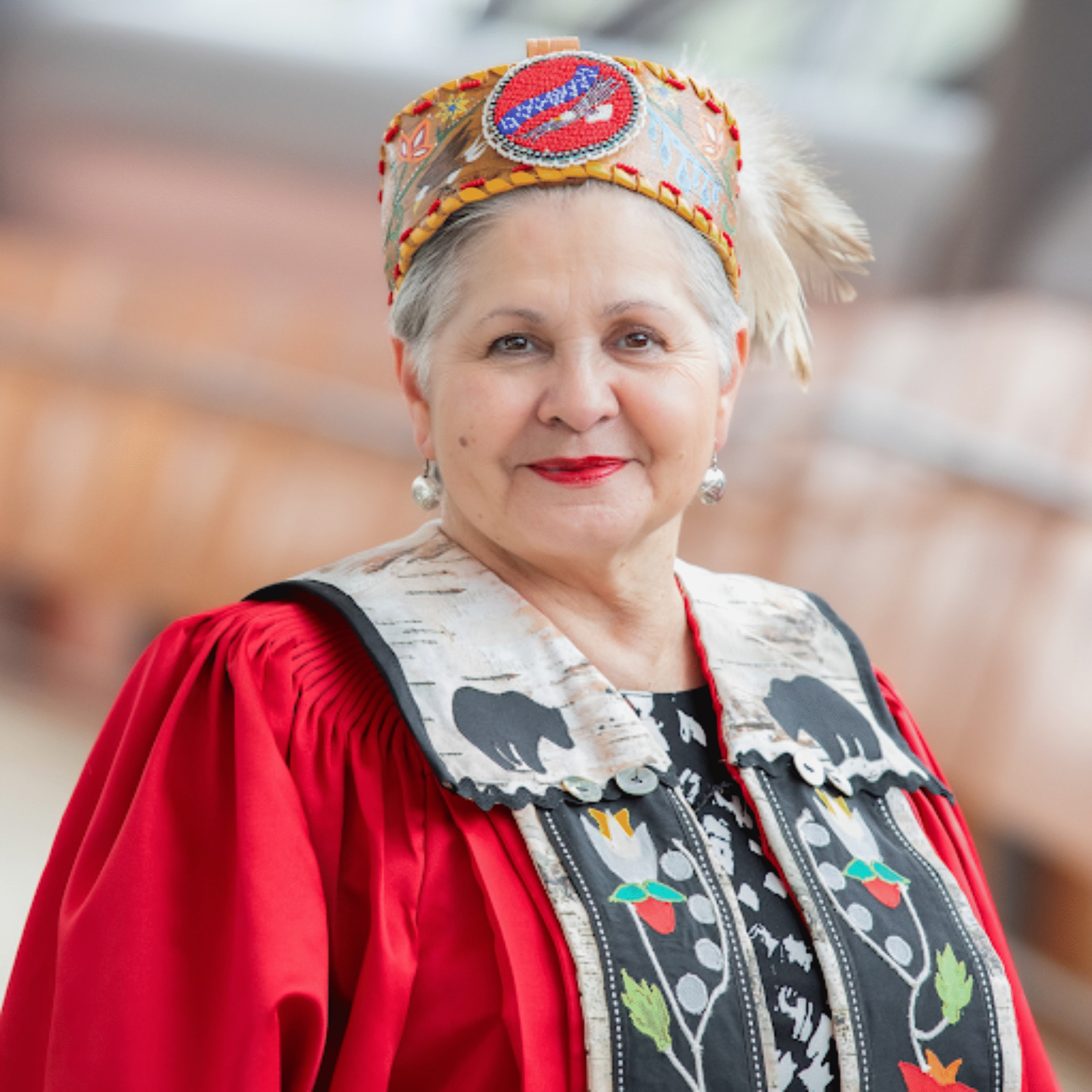
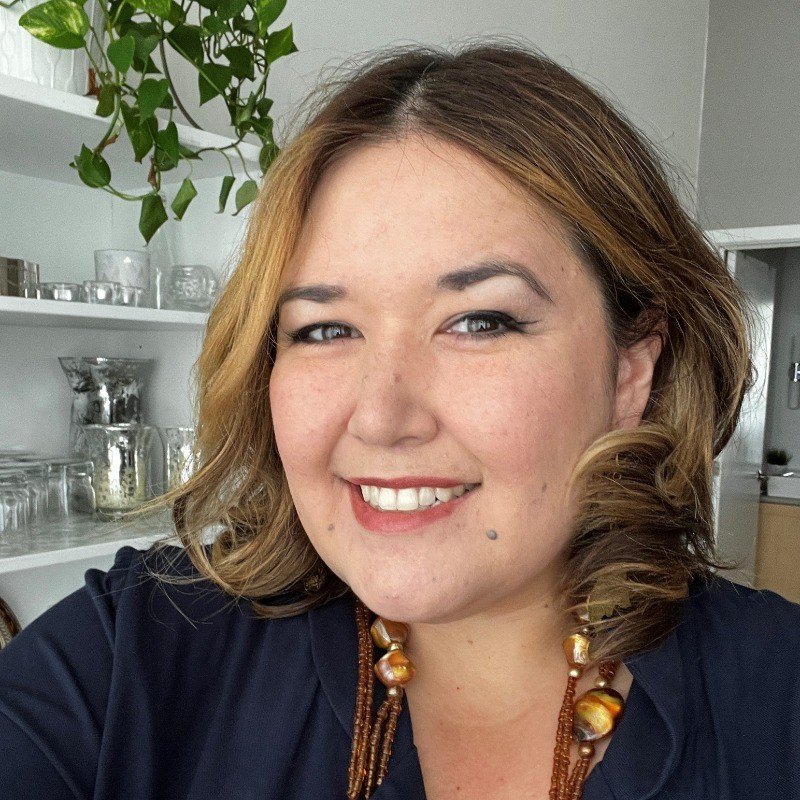
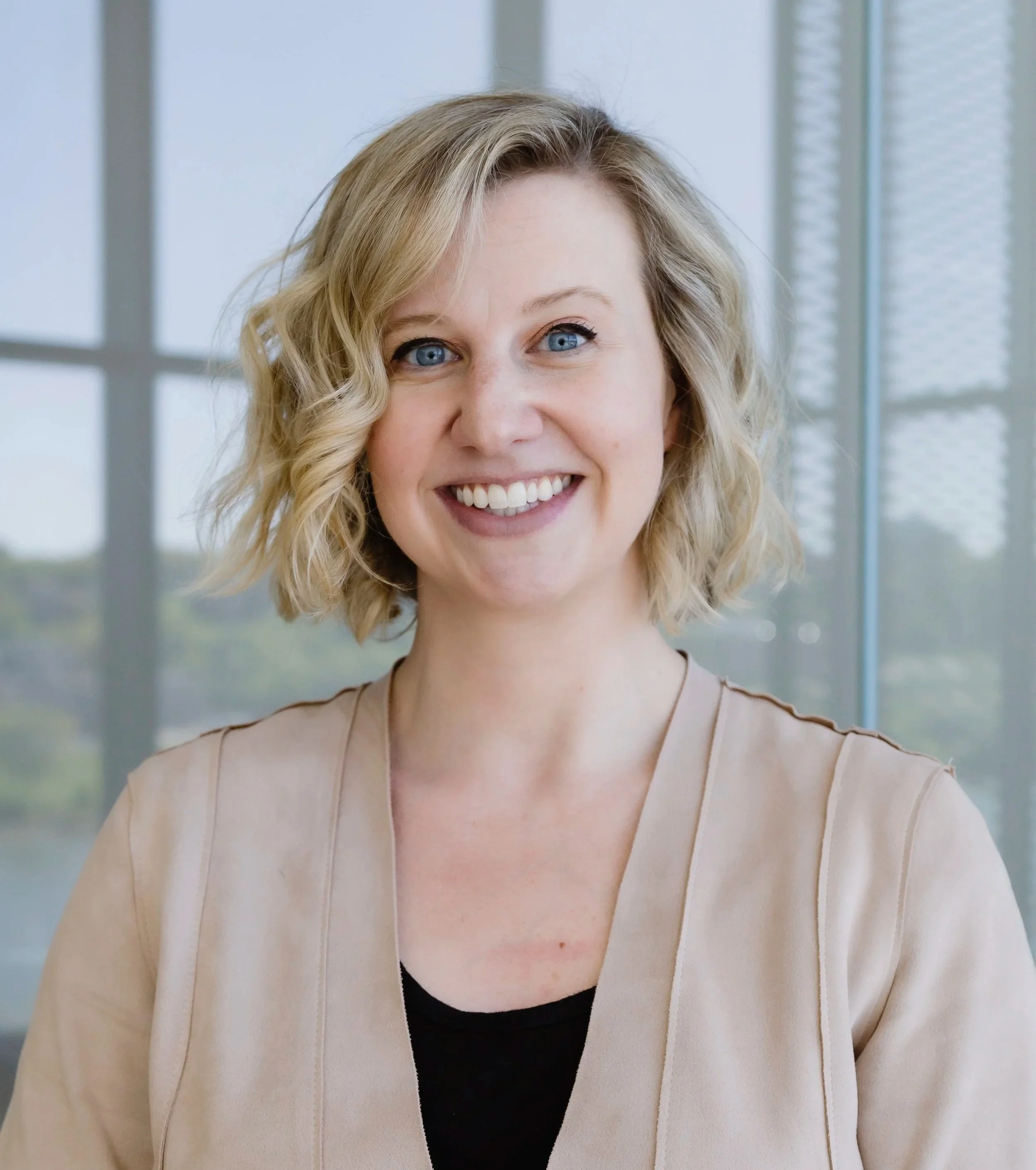
Chaired by Jennifer David 🇨🇦, Senior Consultant and Lead of our Truth & Reconciliation Service Area, NVision Insight Group, with Caroline Dromaguet 🇨🇦, Director, Canadian Museum of History, Elina Anttila 🇫🇮, Director, National Museum of Finland, and Elder Claudette Commanda 🇨🇦, Anishinaabeg, Kitigan Zibi, Katharine Irngaut, Communications Manager, Inuit Tapiriit Kanatami 🇨🇦
-
Repatriation is increasingly an international responsibility requiring respectful collaboration between institutions, governments, and Indigenous communities. This panel brings together museum leaders and Indigenous voices to explore how global solutions are reshaping museum practice and ethics.
Using the Vatican–Canada return as a starting point, panelists will explore cross-border challenges, ethical considerations, and emerging models of shared stewardship.
Learning Outcomes
Explore cross-border challenges and solutions
Discover pathways to respectful relationships
Relevance
Positions repatriation as an international movement grounded in Indigenous sovereignty, with museums acting as partners in cultural restoration.
LEARNING FROM PRACTICE: CONCURRENT CASE STUDY SESSIONS
Each session is 1 hour long, featuring 2 case studies and live Q&A.
3:30 PM - 4:30 PM
SESSION 1
THEATRE
Bridging Worlds Through Contemporary Art
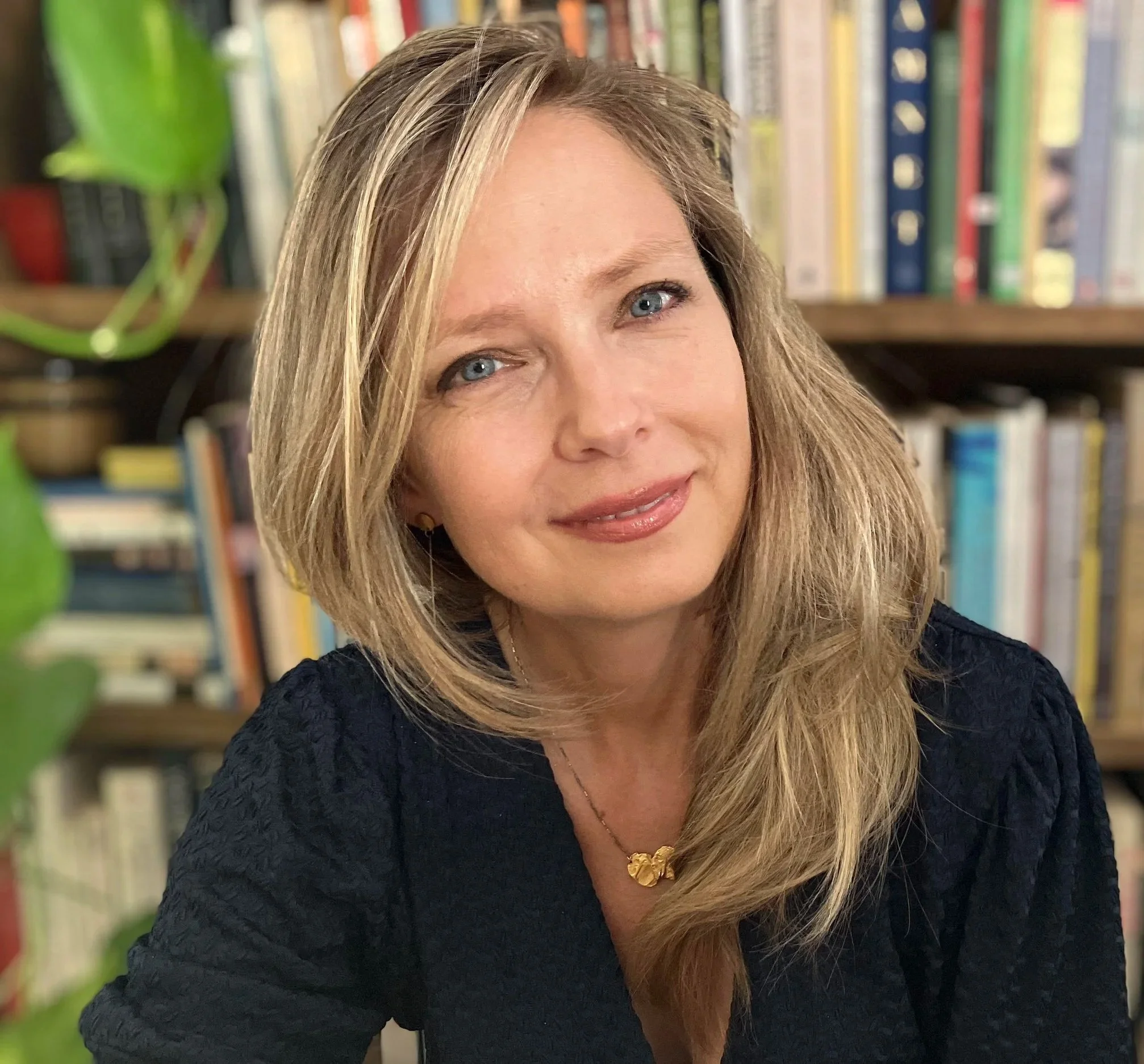
Bridging the Trust Gap: How an ‘Elitist’ Art Museum Reached its Community
by Stephanie McKay 🇨🇦, Communications Manager, Remai Modern
-
In October 2017, a new contemporary art museum opened on the Canadian prairies. On the world stage, Saskatoon’s Remai Modern was greeted with excitement and curiosity. At home, the conversation was decidedly less enthusiastic. The shuttering of a beloved old art museum, combined with age-old complaints about spending at City Hall, prompted early—but not totally unexpected—concerns from the public.
Perceptions that the new museum was cold, elitist, and way too expensive were a bit more surprising. So was feedback about the “unappealing,” “boring,” and “offensive” art.
In 2020, a new executive team arrived during a global health crisis, creating the perfect opportunity to change the course of Remai Modern’s flagging reputation and chart a path to become the museum Saskatoon truly needed.
Big changes, like scrapping the museum’s admission fees and increasing the focus on celebrating the collection and artists from the region, led to a surge in visitor numbers. A new marketing and communications campaign, Art That Bridges, reinforced Remai Modern as a welcoming, accessible, and inclusive space where you don’t have to worry about what you wear or how much you make.
In this talk, Communications Manager Stephanie McKay describes how the museum went from controversial to celebrated in its own community, and the key communications lessons that have come from building and rebuilding a cultural institution’s reputation in its first eight years.
Narrating Complexity: International Communications Strategies for Museums
by Amanda Kelly 🇬🇧, Associate Director, Pickles PR
-
In today’s media environment, exhibitions do not enter public discourse neutrally: they are already susceptible to simplification, politicisation, and cultural misunderstanding. For museums working with socially charged subjects, communications outreach can be a critical tool for building trust and sustaining meaningful public engagement.
Drawing on more than two decades of experience across journalism and international arts communications, Amanda Kelly explores how cultural communications strategies can support nuanced public understanding by examining how institutions in two distinct cultural and political contexts use international communications outreach to build credibility, relevance, and sustained engagement.
In Singapore and Athens, these conversations unfold within environments shaped by cosmopolitanism, political tension, layered histories, and rapidly changing societies. Through programming that addresses sexuality, feminism, displacement, postcolonial histories, and questions of belonging, the National Gallery Singapore and the National Museum of Contemporary Art Athens (EMΣT) seek to create spaces where audiences can encounter difference, complexity, and multiple perspectives.
Although shaped by different regional histories, both institutions share a commitment to engaging diverse publics through exhibitions and collection strategies that foreground plurality, cultural exchange, and underrepresented perspectives. Each positions art as a platform for dialogue around identity, memory, migration, inequality, and social transformation, while challenging Eurocentric narratives.
The presentation explores how communications outreach can support public understanding by creating space for nuance, context, and sustained engagement. It addresses practical approaches to international media relations, including journalist visits, long-form editorial pitching, strategic partnerships, and informal dialogue-building opportunities. Particular attention will be given to how museums can communicate politically and socially sensitive subjects to international audiences without reducing complexity or curatorial intent.
Ultimately, the session reflects on how thoughtful communications strategies can broaden international conversations around contemporary art, strengthen institutional credibility, and foster deeper forms of cultural exchange across different publics and regions.


SESSION 2
ATELIER 1
Bridging Worlds Through Decolonisation
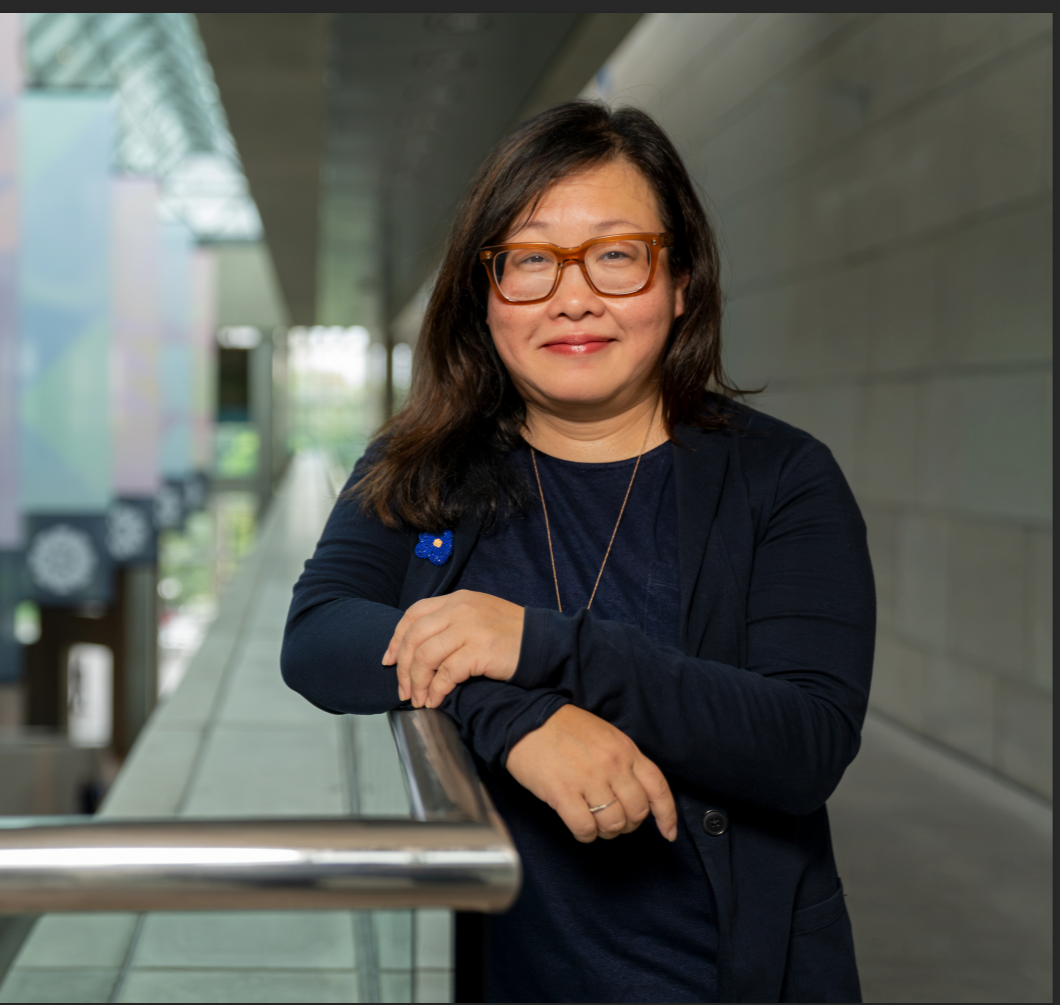
Decolonizing Communication: How the McCord Stewart Museum Builds Dialogue with Its Community
by Pascale Grignon 🇨🇦, Senior Director, Programs and Engagement, and Julia Frainier 🇨🇦, Head of Communications, McCord Stewart Museum
-
As cultural institutions are increasingly called upon to redefine their social role, communication has become a critical lever for building trust and fostering dialogue.
This presentation offers a case study of how the McCord Stewart Museum in Montreal is rethinking its communications through a decolonizing lens to better reflect the diversity of voices, memories, and narratives it represents. Drawing on flagship projects such as Little Burgundy – Evolving Montreal, the talk examines how institutional communications can move beyond dissemination to become spaces of listening, collaboration, and co-creation with communities in Montreal.
It highlights the strategic decisions, linguistic shifts, and partnerships that have shaped a more inclusive and responsible institutional voice. The presentation also addresses the inherent tensions of this work: how to communicate histories shaped by marginalization without simplifying or appropriating them, and how to balance institutional frameworks with lived realities.
Grounded in practice, this talk invites arts and culture professionals to view communication not merely as a tool, but as a relational and political space that plays a central role in bridging worlds and ensuring museums remain relevant, credible, and inclusive.
Bridging Worlds Through Inclusion: From Strategic Commitment to Contested Reality
by Liliane Lê 🇨🇦, Vice-President of Public Affairs and Marketing, National Gallery of Canada
-
This session will draw from lessons learned by the NGC following the launch of its 2021-2026 Strategic Plan – Transform Together. As the world grappled with COVID-19, the National Gallery of Canada (NGC) seized a pivotal moment to rethink its role and respond to profound social change. As a national platform for Indigenous and Canadian visual artists, the Gallery committed to amplifying underrepresented voices across its collections, exhibitions, and programs. Central to its 2021 Strategic Plan was the creation of the Indigenous Ways and Decolonization department.
The plan initially resonated with younger and more diverse audiences. But a subsequent leadership change sparked growing resistance from some stakeholders, including donors, government partners, members, and current and former employees. Mainstream media and cultural critics joined the debate, with some arguing that the Gallery no longer cared about art.
How did a strategy designed to broaden inclusion become so divisive? This case study examines the communication challenges surrounding the launch and implementation of the NGC’s 2021-2026 Strategic Plan and explores how those lessons informed the development of its 2026-2031 plan., with some arguing that the Gallery no longer cared about art.
How did a strategy designed to broaden inclusion become so divisive? This case study examines
the communication challenges surrounding the launch and implementation of the NGC’s 2021-2026
Strategic Plan and explores how those lessons informed the development of its 2026-2031 plan.
SESSION 4
ATELIER 2
Building Trust through Connection
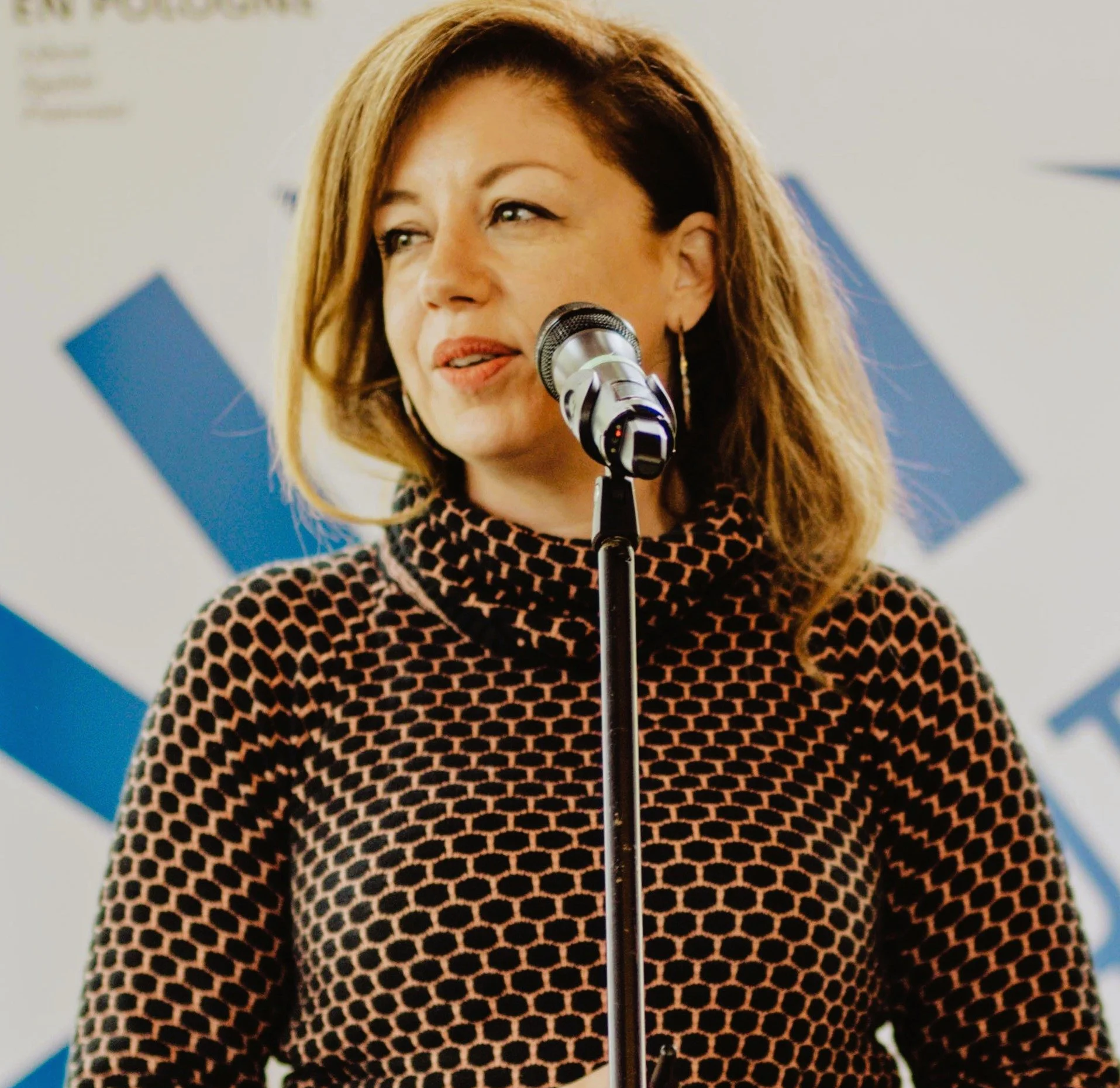
Preparing for a Temporary Closure: How the Centre Pompidou Built Trust Through Visitors' Voices
by Peggy Derder 🇫🇷, Head of the Written, Oral, Audio and Digital Content Unit, Centre Pompidou
-
How can a cultural institution’s history and identity be defined through its audiences? How can visitors be given a full voice? How can we build and share these perspectives on the museum amid the paradoxical context of its closure?
In 2025, as the Centre Pompidou prepares to close for a five-year renovation, the cultural mediation department is developing a participatory podcast project. During several events, a sound-collection workshop is set up in the museum’s rooms, as close as possible to the artworks, or in the Forum, to gather visitors’ testimonials and impressions. Many are loyal visitors of the Centre Pompidou - some since its opening in 1977 - while others are members, occasional visitors, or first-time visitors.
Strengthening the relationship between the soon-to-be-closed museum and its audiences, fostering participation, and encouraging people to speak up are among the goals and challenges of this participatory mediation project. There was certainly no shortage of methodological challenges and questions.
Ultimately, this mediation project gave rise to the podcast Centre Pompidou sentimental. Drawing on hundreds of recorded and analyzed voice messages, this podcast paints a multifaceted yet intimate and sensitive portrait of the Centre Pompidou, as seen through the eyes of its visitors—whether they’ve been there up close, from afar, frequently, or for the very first time. It reveals a lot about the role art plays in our lives.
Confidences, anecdotes, reflections, messages of love, and memories bring to life a Centre Pompidou sentimental that is both unique and multifaceted.
Deep dive: The Theory of Change at the Music Center
Julia Diamond 🇺🇸, Senior Vice President, TMC Arts, The Music Center
-
The Music Center, Los Angeles’ performing arts center, activates its four theaters, outdoor spaces, schools, and neighborhoods with more than 1,000 free and low-cost events annually and reaches more than 400,000 participants across schools and public programs.
In 2019, the organization embarked on the development of a first-of-its-kind proprietary process to measure the impact of its programs on Los Angeles County residents. Using a Theory of Change framework developed specifically by and for The Music Center, the organization connects programming activities to key outcomes. This report asks three guiding questions:
• How well are we deepening the cultural lives of Angelenos (which is part of the organization’s vision)?
• Are we reaching geographically and demographically diverse communities across Los Angeles County?
• To what extent are our programs welcoming to new participants?
2025 marked the first year in which The Music Center applied this new process to all its programs, including both paid ticketed and free experiences, and the results are compelling.
This presentation will share insights into the rationale behind the creation of this assessment tool and the powerful outcomes—published for the first time in spring 2025—that not only inform data-driven, responsive programming decisions but also educate and motivate stakeholders about the true value of The Music Center’s work and progress against its aspirational vision.
PLENARY SESSIONS
4:40 PM ONWARDS
KEYNOTE - THEATRE
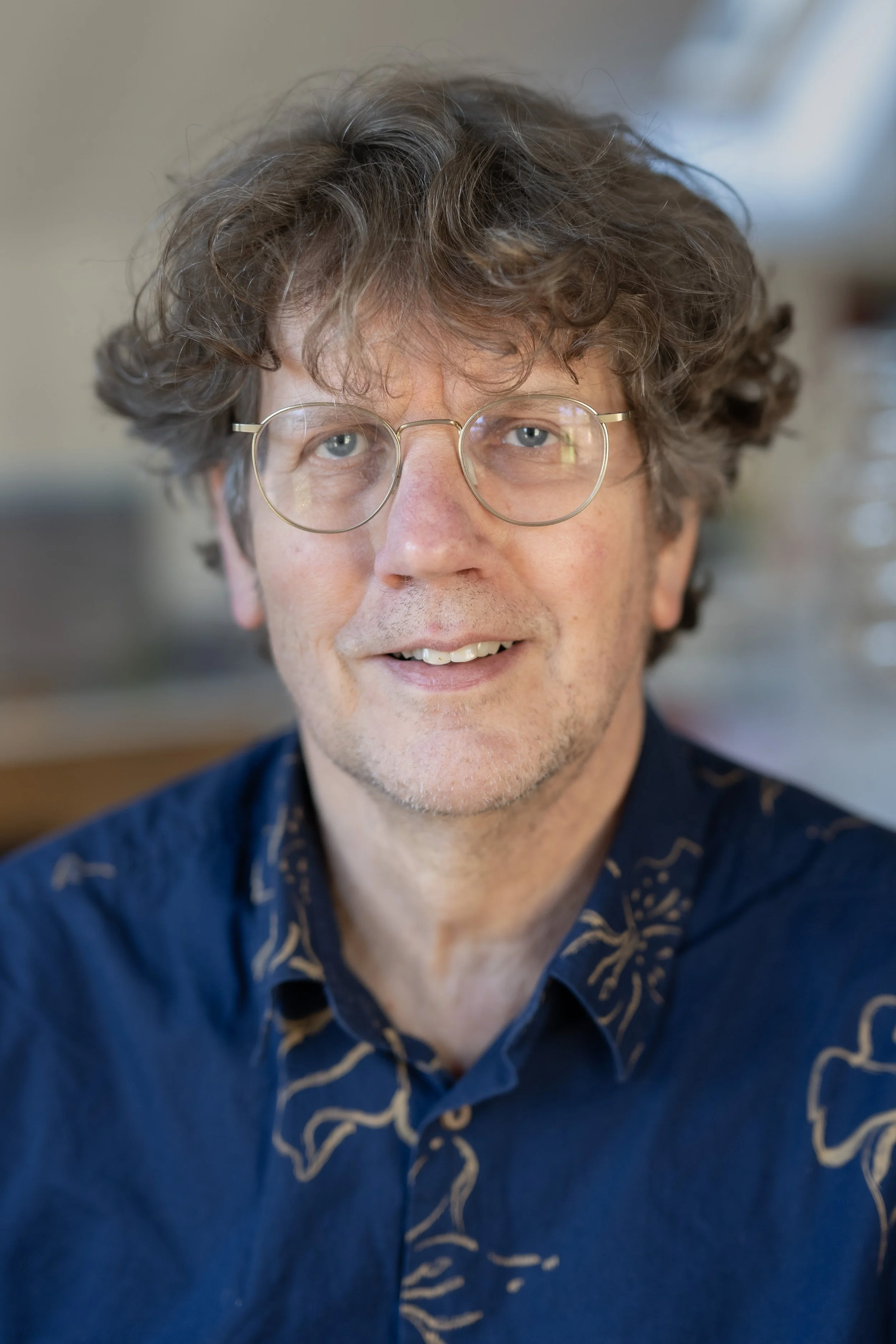
From Theft to Return: A Journey in Crisis Communication
by Paul Klarenbeek 🇳🇱, Corporate Communications Advisor and Spokesperson, Drents Museum
-
On the night of January 24–25, 2025, several archaeological pieces were stolen from the Drents Museum in Assen, the Netherlands. These were masterpieces from the exhibition Dacia - Empire of Gold and Silver: the golden Coțofenești helmet (c. 450 BC) and three golden bracelets, loans from the National History Museum of Romania in Bucharest. It was the biggest and most brutal robbery in the over 170 years of history of our museum. The theft has had a profound impact on the staff, on the colleagues at the National History Museum in Bucharest, and on the museum world as a whole.
The ongoing uncertainty took a dramatic turn when, on April 2, 2026, the museum was able to announce that the golden helmet and two bracelets had been recovered. The golden artefacts were presented at the Drents Museum before the eyes of the international press, and are returning home to Romania.
What does it mean for a museum to find itself in the midst of such a crisis? How do you stay on course and ensure that control doesn’t slip from your grasp? Paul Klarenbeek talks about his experiences during nearly a year and a half of (crisis) communications and takes you on an incredible journey through a rollercoaster of emotions. What was the museum’s approach, what went well in terms of communication and what didn’t? Was the museum even prepared for such an event? Can you prepare for this? And above all, what lessons for the future can we learn from this?
Key Learnings & Open Conversation
Corinne Estrada 🇫🇷 , Founder, Communicating the Arts
Melissa Santee 🇺🇸, Chief Philanthropy Officer, Cleveland Museum of Natural History
END OF DAY 2 AT 6 PM
Evening
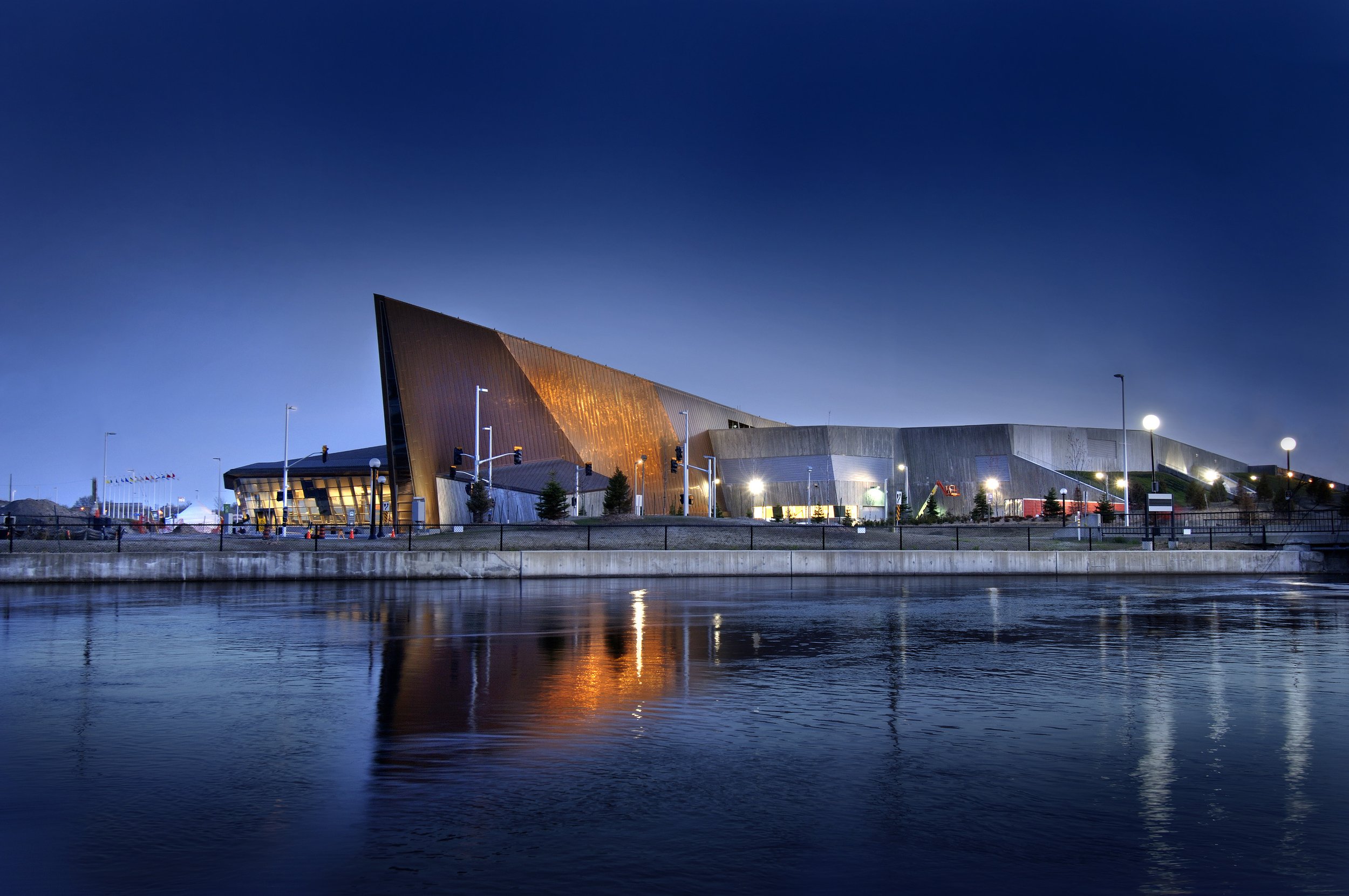
6:30 PM – 9:00 PM
Dinner Reception
at the Canadian War Museum
Performance: Art Battle. Artists will create original works live during fast-paced rounds inspired by the collection. Guests will vote to crown the champion!
Address: 1 Vimy Place, Ottawa, Ontario, K1A 0M8
This reception is supported by the Beaverbrook Foundation.
Canadian Museum of History
100 Laurier Street, Gatineau, Quebec, K1A 0M8